When it comes to pets with fur, we all wish them well. In the case of a cat, nutrition is the most difficult thing in the world to understand though it seems like the ancient hieroglyphics to us! There are tons of choices; what’s the proper one for Fluffy? The good news is that this guide is going to make you master cat feeding and give your cat a big smile (or a loud purr, if you want).
Top Takeaways and Key Concepts
- Choose cat food with real meat as the first ingredient.
- Ensure food is labeled “complete and balanced” by AAFCO standards.
- Keep cats hydrated with wet food or a pet water fountain.
- Follow portion guidelines to prevent obesity and related health issues.
- Consult a vet before switching foods or starting a homemade diet.
Summary:
This guide teaches cat owners how to master feline nutrition through balance, hydration, and awareness. It emphasizes choosing high-quality, meat-based foods over fillers and checking for AAFCO “complete and balanced” labels to ensure proper nutrition. Hydration plays a vital role—wet food or water fountains help cats get enough fluids. Portion control is key to preventing obesity, one of the most common feline health problems. The text also explains how to read food labels, transition between diets safely, and tailor meals to a cat’s age or health needs. Homemade diets are an option but should always be planned with veterinary guidance to maintain nutrient balance and safety.
Video Summary
Jump to Content
The Basics of a Balanced Diet
Please Note: This post may contain affiliate links. If you click one of them, we may receive a commission at no extra cost to you. As an Amazon Associate, I earn from qualifying purchases.


Cats have a unique way of showing their love for food: they often knock their bowls over, not because they're hungry, but to assert their dominance over dinner time. It’s like saying, “I don’t just eat; I rule this meal!”
“The smallest feline is a masterpiece.” — Leonardo da Vinci
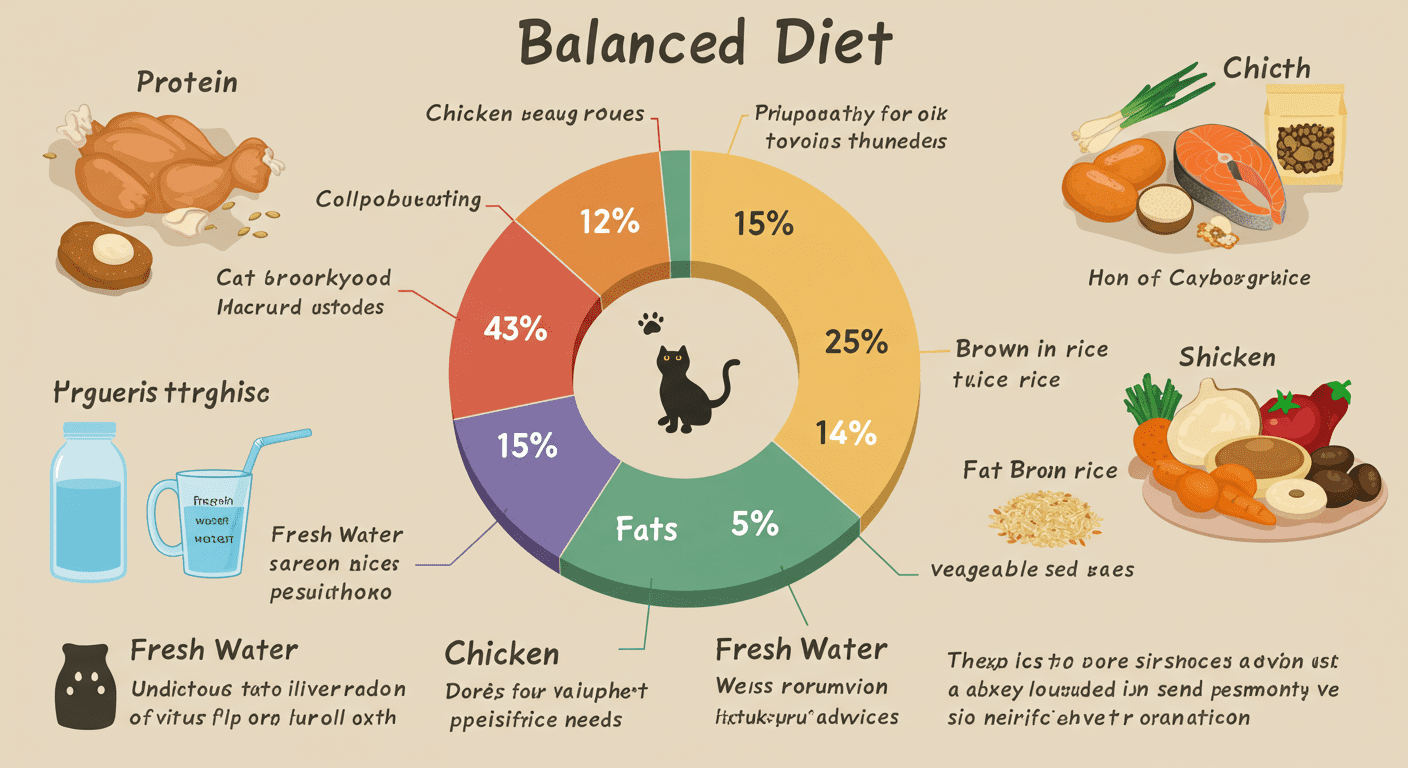
What does a balanced diet for cats look like? Cats are obligate carnivores, while people can eat pizza every now and then (guilty!). It's a scientific term that means people are healthier when they eat meat. So, the first thing you should check for when buying cat food is high-quality protein from animals, no matter where it is on the list. You shouldn't feed your cat “meat by-products” that you don't understand. Instead, give them chicken, turkey, or fish.
I know what you're going to ask: “Isn't it better to just feed my cat any brand of cat food?” The problem is that it's not so easy. Not every kind of cat food is the same. Some companies put fillers like corn or soy in their goods, which don't provide much nutrition. Instead of buying these things, look for ones that are “complete and balanced” by the AAFCO (Association of American Feed Control Officials). These labels show that the food meets specified nutritional requirements.
It's funny, though, that people sometimes forget about another important part of your cat's diet: water. You would say that keeping a water bowl keeps your cat hydrated, but cats aren't as easily persuaded to drink water as people are, even when they're thirsty. Most of them would rather get their water from the food they eat, but this isn't enough to keep them hydrated. This is something that none of the readers here would want their cat to get because it would make them less active and maybe even sick.
Fun Feline Facts About Cat Nutrition
– Picky Eaters Unite! Cats have taste buds that can detect only sweet flavors, which is why they often turn their noses up at anything that isn’t meat—sorry, veggies!
– The Snack Masters: A cat’s diet is about 70% water in the wild, so if they’re not eating wet food, they might be planning a heist for your morning coffee (it’s a hydration strategy!).
– The Weight Debate: If your cat seems to be on a “see-food” diet (they see food and eat it), just remember: their ideal weight is often just as elusive as the red dot from a laser pointer!
To keep them hydrated (and let's be honest, no one wants a cranky, thirsty cat), you might want to give them some wet food. Wet cat chow has a lot more water in it than dry kibble, usually approximately 75%. It's like giving someone a great soup instead of a dry lunch. Besides keeping the cat hydrated, the extra moisture makes feeding time more fun.
Handy Amazon Shopping Directory for Cat Supplies
Cat Food - Cat Toys - Cat Health - Grooming - Carriers - Cat Beds - Apparel
Furniture - Cat Doors - Collars - Feeding/Watering - Flea/Tick Control - Treats
There was also no discussion of taste or texture! We all know that cats are picky eaters, and they want diets that are moist and make their taste senses happy. Young eaters might be more likely to start eating with excitement if the food smells and feels good. Don't you think the nice smell that comes from opening a can of wet food fills the whole room? It's very hard to say no! Because of this, your pet is probably getting both food and water without knowing it.
If you're worried about switching Fluffy from dry kibble to wet food (since changes aren't always easy), take it slow. Mix a little bit of regular kibble with a tiny bit of wet food. When you feed them next time, give them more wet food. Keep going until she gets used to the new food. You might be shocked at how soon she gets used to it!
Also, there are a lot of different kinds of wet food to choose from! There is something for everyone, from gourmet meals made with real chicken or fish to lovely pouches filled with sauce or broth. But don't buy cheap items that have meat meals as the last ingredient, because they are full of unhealthy processed and chemically preserved ingredients.
Moreover, apart from merely switching her meals to wet food, you could place several water bowls in different places around your home or buy a pet water fountain. Normally, cats are more attracted to running water as opposed to still water because it is fresher (and let’s be realistic; they are quite picky!). A fountain replicates this natural flow and compels them to drink more throughout the day, which is a double victory for both Fluffy being happy and hydrated!
So, keep this in your mind: hydration is not the last thing that comes to mindit is an absolute necessity for your cat’s general health and happiness. Through wet food intake which is delicious and fluid intake monitoring in a creative way, you will be able to make sure that she stays hydrated and ready for playtime adventures!
Understanding Cat Food Labels
Cats can be quite the food critics; they often sniff their kibble, turn their noses up at it, and then proceed to eat it anyway—like a feline version of a gourmet restaurant experience where the first course is always “meh.”
“A meow massages the heart.” — Stuart McMillan
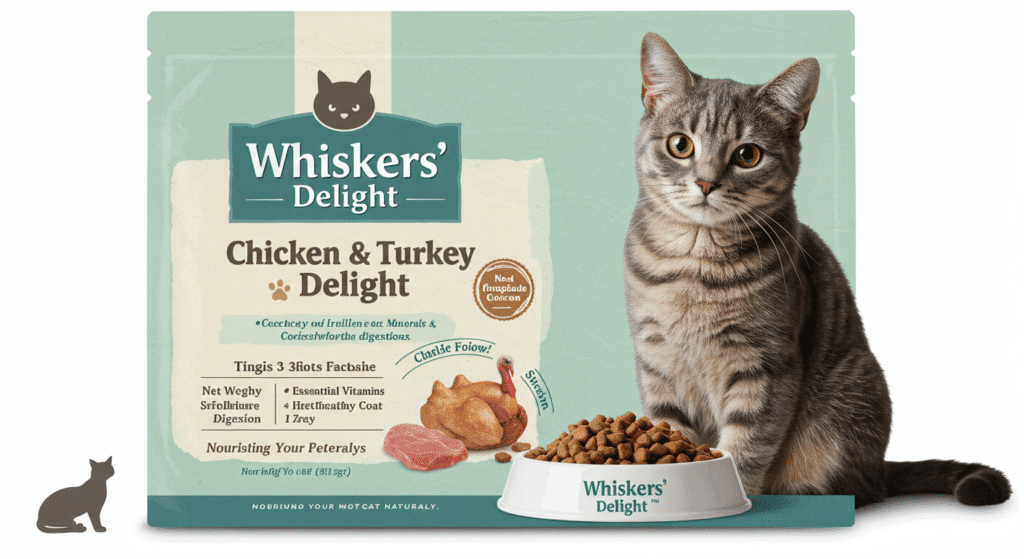
For once, let's try to make sense of the mysterious utterances on cat food labels! When reviewing a label, look for the guaranteed analysis sections, which provide information about the product's protein content and fat levels. For example, if the protein level is 30% or above, you should consider the dry food to be of good quality; in this instance, our little lions will receive the best fuel.
Furthermore, check to see if the cat's food contains nutrients such as taurine. Taurine is an essential amino acid that promotes heart function and vision in cats. If taurine appears among other ingredients, it indicates that the diet is well-supplemented with the nutrient. Nonetheless, if you see words like “natural flavors” in the ingredient list, be cautious and skeptical of the content!
While we're at it, talk about serving sizes! We frequently overfeed our fat buddies; it's no surprise when those large, yearning eyes glance up at us just before the meal is served. Seriously, how can you resist that gorgeous expression? It's as if they had an embedded guilt mechanism! However, just because your cat looks at you in that way doesn't imply she needs another scoop of kibble in front of her.
Fun Feline Facts About Cat Food Labels
– Ingredient Detective: If your cat could read, they'd be baffled by the ingredients list! Cats are obligate carnivores, yet some food labels have more grains than a bakery!
– Meat is King: The first ingredient on the label should ideally be meat. If it’s something like “meat by-products,” your cat might as well be dining on mystery meat from a sci-fi movie!
– The Mystery of “Natural”: Just because it says “natural” doesn’t mean it’s good for your kitty. In the feline world, “natural” could mean anything from chicken to an old shoe—who knows what they’re putting in there?
If you want Fluffy to keep in good form, you must frequently review the food guidelines depending on her weight and activity level. Most cat food packaging includes feeding suggestions, which are highly useful for pet parents who wish to keep their feline friends healthy. In other words, if your cat is fairly sluggish and not particularly adventurous, she will undoubtedly require less energy than an energetic cat who is constantly chasing phantom mice and plotting to rule the world from the top of the bookcase.
By following the proper portions, we can prevent obesity in cats, which is a serious issue among housecats nowadays. Are you aware that approximately 60% of the domestic cat population in the United States is overweight, according to multiple studies? This is a frightening statistic! Consider all those small balls of fur trotting rather than strolling as gorgeous cats. Obesity can cause life-threatening conditions like diabetes and joint difficulties, which is not something we want to happen to our pets.
If you want to simplify things (and, more importantly, make it enjoyable!), choose a measuring cup specifically for Fluffy's meals. That implies you have no chance of guessing the portions and pouring out more than is required. It also assigns a meal time, giving you and your feline friend a feeling of organization. In fact, you might turn portion control into cat's play because cats do not dislike exciting activities! For example, you can utilize puzzle feeders that release food as the animal plays, which helps to limit their consumption while also keeping them mentally active.
In some circumstances, it has been discovered that pet owners who keep their pets on a fixed feeding schedule rather than free feeding (keeping food out all day) are more successful. Fluffy's body will become adapted to good eating habits as she is fed at particular times of the day, while you will enjoy the simple pleasure of seeing your cat eagerly wait for his next meal!
Multiple cats meaning multiple meals and the resulting chaos is something one can only imagine. In such a situation, you can separate them by feeding them in different rooms or using raised dishes made just for portion control. In this manner, no cat will be left behind and they won’t be accessing other food bowls.
In the long run, it is very important to be conscious of the serving sizes in order to maintain the health and happiness of the pets. The next time you see those eyes full of love staring at you while you are cooking, remember that love is sometimes saying “no” and that by doing so you will be able to enjoy a lot of happy years with your furry friend!
Special Dietary Needs
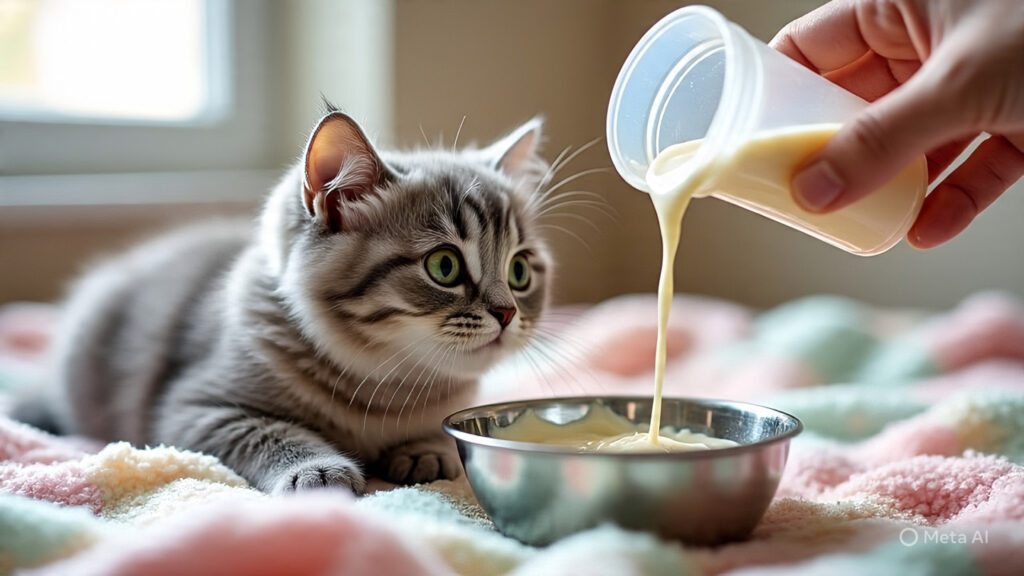
Some cats are so picky about their diets that if they could talk, they'd likely demand a Michelin-star chef to prepare their meals—preferably with a side of catnip-infused truffle oil!
“Cats are not our whole life, but they make our lives whole.” — Roger Caras
As our feline friends age or encounter health issues (because let's face it—cats can be drama queens), their dietary needs may change too. For example, senior cats often require different nutrition than energetic kittens bounding around your living room like tiny tornadoes! Look for specialized formulas designed specifically for older cats—they usually contain lower calories but higher fiber content.
If your kitty has specific health concerns such as kidney disease or allergies (yes, even kitties can have allergies!), consult with your veterinarian about tailored diets suited just for them. Sometimes prescription foods might be necessary—but don’t worry; they come in flavors even picky eaters won’t turn down!
On the other hand—and this is important—if you've recently adopted a new pet from a shelter or rescue organization, they may have unique requirements based on their history or previous diet habits too! It’s easy to assume that all cats can eat the same food without any issues, but that’s not always the case. Each kitty comes with her own backstory, and understanding that can make a world of difference in how you approach her nutrition.
Fun Feline Facts About Special Dietary Needs
– Picky Palates: Cats can be so picky that they might turn their noses up at a gourmet meal just because it’s not served in the right bowl—who knew dishware was part of a balanced diet?
– The Grain Debate: While some cats thrive on grain-free diets, others might consider grains a culinary catastrophe. It’s like asking them to choose between tuna and broccoli!
– Feline Foodies: Some cats have such refined tastes that they’ll only eat food if it has “chicken” in the name—“chicken-flavored” just won’t cut it!
The first thing to consider in the case when you buy a new pet is to know what she was eating before she was bought. As a rule, a shelter is feeding its animals with a particular brand or type of food that is significantly different from what you are planning to feed. Just think if your favorite pizza was suddenly replaced with tofu salad overnight! Your cat could have some digestion problems if you abruptly change her diet that may result in vomiting and diarrhea; not the type of party you expect to be greeted with.
One of the most effective ways to prevent such unwelcome events is to slowly switch them to the new food. Over a period of several days, you should begin by blending a limited amount of the new food into their regular diet. For example for the first few days, about 75% of their old food and 25% of the new one can be used. Then, continue to raise the percentage of new food by reducing the old one until only new food remains. This procedure enables Fluffy's digestive system to get used to it without actually rebelling.
Not only that, this is a great brand new chance to get close to each other! You will discover her likes and dislikes by preparing the meals and watching her response. Does she seem to get really excited about the chicken-flavored products? Or maybe she turns her face away from the fishy options? In the process of time, these revelations will help to adjust her diet to the one she prefers. Besides, who wouldn't love to see a cat having a yummy meal?
How about the cat food/hypoallergenic food, though? Most likely, some cats due to their previous lives come with health issues of the digestive tract such as they were too skinny when the vet rescued them. In the situation of making any substantial change in their diet consult with your vet first. They can offer good-health foods that are best for your new pet while being sure of the supply of all of the necessary nutrients.
And from that time on, be patient. It is your pet, which will be frightened or in distress, because of the change of location, so giving her time to habituate is equally important with changing her meals. Letting your cat become comfortable will make her associate a positive memory with feeding and allow consistent healthy eating habits to grow.
In the end, it is a wonderful and difficult task simultaneously to bring a cat home from the animal shelter, however, by employing these measures you are not only ensuring that she gets the right nourishment but also that she will have an easy digestive system on the way. So go ahead and pamper your newly adopted friend with (good) love, thus making sure that in every bowl she will be a success!
Treats: The Good vs. The Bad
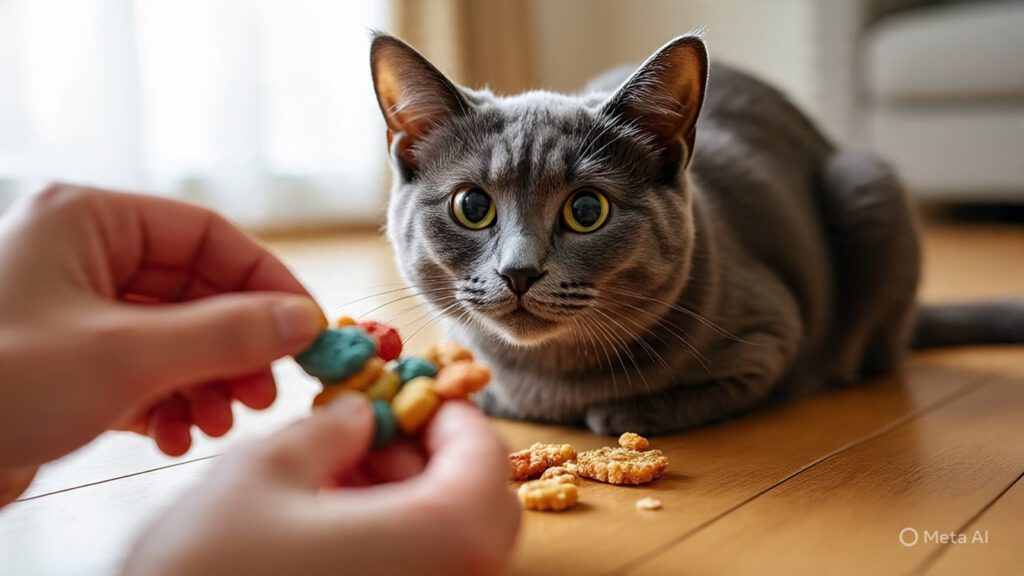
Cats can be so obsessed with treats that if they had their way, every meal would consist solely of freeze-dried chicken morsels—because why settle for a balanced diet when you can have a “treat buffet” all day long?
“A house without a cat is like a garden without flowers.” -Italian Proverb
Let's not beat around the bush: who doesn't love pampering their pets with goodies? Those little creatures make us an offer we can't refuse with their “I am adorable” looks that charm us faster than a sun melting ice cream in our hearts! But at the same time, moderation is a must since giving a dog too many goodies can result in a bad habit of overweight.
If you're talking about Fluffy, then the first step should be treats selection. Meat should be the number one ingredient, with no artificial additives and without too many fillers! Freeze-dried meats are trendy because they deliver flavor without compromising purity.
Moreover, it is worth emphasis that dental health is a part of it. The focus is usually on the pet's happiness, and health is neglected. Cats are exactly like humans in this case; they can develop dental problems if their teeth are not properly taken care of. I mean it, no one would like to be the parent of the cat whose pet has bad breath or something worse – gingivitis! Luckily, there are few treats that are made to help cats with oral hygiene and at the same time satisfy their chewing instinct. What a marvelous performance – a piece of cake can have double functions!
Fun Feline Facts About Treats: The Good vs. The Bad
– Treat Time Tactics: Cats can be master negotiators—if they think a treat is on the line, they might suddenly remember every trick they know, including “sit,” “high five,” and that one time they almost caught a laser pointer!
– The Great Tuna Debate: Some cats believe that any treat labeled “fish” must be gourmet sushi; others think it’s just an elaborate way to get them to eat seaweed-flavored cardboard.
– Crinkle Cravings: Ever notice how cats go wild for crinkly treat bags? It’s like their version of a party popper—suddenly, it’s all about the sound rather than the snack!
On reflection, felines are inborn predators and their passion for gnawing is a direct link to their feline ancestors who had to consume bony meat and dry off the skin. Those charming dental treats essentially become a firm bite of a similar nature and they produce a gratifying taste for your cat that encourages an extra chew. While tearing at the snack, your otherwise picky pet is surely not only tasting the delicacy, but also actively eliminating the development of plaque in the mouth as well as keeping the teeth white and healthy. It’s akin to letting the little beast inside her perform some oral exercises while at the same time ensuring her smile is bright.
Moreover, a lot of pet-food companies have seized the opportunity and come up with a great number of different dental treat varieties to satisfy various tastes, preferences, and needs. You could easily find such treats as crunchy fish-shaped biscuits or even chicken-flavored bites, which could comfort your little creature of habit by making her purr with delight. Additionally, if we remain candid, the way your kitty sets about one of these treats can be quite wonderful to see. They won’t hesitate to use their paws to pretend the tiny adversary is vanquished before they fully sink their teeth into itan absolute theatrical performance!
However, keep in mind that not all the treats will be equally good. The most important part is to find those that will be specifically for oral health and not just any snack from the market. Consider trying dental treats that are certified by a veterinary panel or mention a significant reduction of plaque and tartar buildup, as well as being free of dangerous ingredients. Your veterinarian is in the best place to give you feedback on your feline's needs that will include a sound recommendation of products to choose.
Add to it just another interesting point -It’s a no-brainer that Fluffy can be trained to link dental chews with other more enjoyable activities! If your cat immediately associates the cleaning process, which is brushing in this case, with receiving delicious snacks afterward, then it’s quite likely that she’ll be more willing during those troublesome grooming times. Who wouldn’t want to get a treat after some minty toothpaste session?
Remember that these treats should be used as a complement to regular dental care practicesthey should not be used as a substitute! Yes, I know it sounds like brushing your cat's teeth is the “best” way to destroy the world, but don't give me up now!
Brushing the teeth of your pet on a regular basis is essentail to dental hygiene as it removes the plaque that is the main source of the dental problems. The Plaque formation is where the things start to get serious.
So, if you ever decide to go out for shopping of your lovely kitty, forget her usual products and consider taking some dental treats for her.
She will not only be delighted by her taste buds, but you will also duo “share” the harvest with her – her dental health and your treat: “two birds with one delicious stone!”. In addition, who would not like to pamper their animal child and at the same time make a good deed? That is what I call a win-win situation!
Homemade Diets: A Culinary Adventure

Cats have been known to turn their noses up at gourmet homemade meals, preferring instead to sneakily devour the leftovers from your plate—because nothing says “culinary adventure” like a side of spaghetti!
“Cats are connoisseurs of comfort.”
—James Herriot
Why not spin a delicious homemade meal for your kitty? Frankly, it sounds enjoyable but it does require some cranking planning! Cooking allows one to control what goes inside the dish (no mystery meat, coming!), but it becomes a necessity not only to stick to the recipes but also to make sure that the nutrition is complete every day.
Before you jump headlong with homemade meals, a step of consulting with a vet shouldn't be skipped. You may think that producing a fantastic meal for your pet is an easy taskjust cook some chicken and call it done. But wait a minute! It is very important to administer balanced diets full of vitamins and minerals needed for different life stageskittens to adultsif you want those little moustaches to be happy!
Let's start with the kittens. The small energetic things have to be given proper nutrition as they grow at a rapid pace. They need more protein and fat than an adult cat, as well as some essential nutrients like DHA for the brain. A homemade recipe missing these components may result in the stunted growth of your kittens and the development of various health issues. Oh no! Certainly, the last thing a cat parent would want.
Fun Feline Facts About Homemade Diets: A Culinary Adventure
– Chef Whiskers: Did you know that many cats believe they are culinary experts? They’ll supervise your cooking like a Michelin-star chef, judging every chop and stir with intense scrutiny!
– Paw-sitive Preferences: Cats often have a unique palate—while you might enjoy a gourmet chicken dinner, they may prefer their “homemade” feast to include a sprinkle of catnip for that extra zing!
– The Great Ingredient Debate: If you think deciding what to cook for dinner is tough, try asking a cat! One minute they love tuna, the next it’s all about the chicken; talk about fickle food critics!
In general, a cat's transition from a kitten to an adult cat implies that her nutritional needs will be changed as well. So, the diet of cats aged 1-year-old and over generally contains less energy than the one of kittens; however, it should be a balanced and complete diet that is rich enough in taurinewhich is very important for the heart and vision! The guidance of your vet would be very helpful in achieving this change with a minimum of trouble, thereby providing Fluffy with all the necessities of life without an extra add-on of pounds (for we all know how difficult it is to resist when she looks at us with those big eyes!).
Senior cats are well associated with complex nutritional problems. The aging process of our feline friends has an impact on their metabolism, which becomes slower and also makes them susceptible to certain diseases such as kidney disease and arthritis. This implies that diet, which was successfully meeting their needs in the past, will no longer be enough. The veterinarian, by giving you step-by-step instructions on the regulation of portions and the addition of preparations to be taken for the joints, will make sure that the food prepared is still finding favor with the taster of choice.
Another important aspect of the nutritional needs of your pet is variety in the diet! The fact is that humans as well in most cases also desire to be provided with a range of different flavors and textures (I mean, who would want to eat the same old sandwich every day?), and so do cats. A visit to the vet can be like opening the doors to the new culinary world for your pet so maybe try the fish on one day and turkey on the next… besides checking the nutritional quality of every option.
Also, preparing food at home does not mean just throwing ingredients together randomly; it really requires food safety knowledge! Some human foods are toxic to cats (and the list includes onions and garlic!), so the first step is to know what is safe. Your veterinarian can lead you safely through this maze of what to do and what not to do so that dinner is still a delight and not the reason of an uneasy feeling.
Ultimately, a change from canned or dry to home-cooked meals should be made step by step. Fluffy's belly won't get irritated if you don't switch foods too fast. Obtaining medical advice before starting will allow you to proceed at a pace that will work for your pet while keeping an eye on her/his reactions.
To conclude, having a vet professional by your side is like checking off both your and your feline's success as you embark on this culinary adventure below!… So go ahead and make that appointment. Nothing less than the very best nutrition from the start deserves those happy whiskers!
Though it may seem very enticing, nothing is further from the intended scenario than having a starving kitty in the end just because meal prep got out of hand due to our own overexcitement!
Conclusion: Feeding Your Feline Right
In the end, the main message about cat nutrition is that the absolute most important thing is being aware of what goes into each bowl served and giving priority to quality over quantity every time we fill those dishes that are always there waiting patiently by our side!
So, the next time someone asks if you'd share tips on how to keep kitties happy & healthy, you'll be able to answer with confidence that you learned all this from here and at the same time you'll know that Fluffy is grateful for every single bite she gets on this delightful journey together!
Suggested External Resources
Understanding Cat Nutrition
https://www.aspca.org/pet-care/cat-care/cat-nutrition
Feline Nutrition Foundation
https://feline-nutrition.org/
The Importance of Proper Cat Nutrition
https://www.humanesociety.org/resources/importance-proper-cat-nutrition
Frequently Asked Questions
What should be the first ingredient in quality cat food?
The first ingredient should be real animal protein such as chicken, fish, or turkey since cats are obligate carnivores and rely heavily on meat-based nutrients.
Why is AAFCO “complete and balanced” labeling important?
AAFCO labeling ensures the food meets established nutritional standards for cats and contains the essential nutrients needed for healthy development.
Is wet food better for cat hydration?
Wet food provides additional moisture, which supports hydration since many cats do not naturally drink enough water from bowls alone.
How can portion control help prevent obesity?
Using measured servings and scheduled meals prevents overeating and reduces the risk of weight-related problems such as diabetes and joint strain.
How should cat owners switch foods safely?
Gradually mix small amounts of the new food into the old food over several days to avoid digestive upset and help your cat adjust comfortably.
Do senior cats require different nutrition than younger cats?
Yes, older cats often need formulas with fewer calories, more fiber, and supportive ingredients for aging organs and joints.
Are homemade diets safe for cats?
Homemade diets can be used, but they must be planned with veterinary guidance to ensure proper nutrient balance and safety.

Kevin Collier is a dedicated feline enthusiast and expert contributor at CatFAQ.com, where he shares his knowledge on cat health, training, and overall well-being. With years of experience caring for and studying cats, Kevin provides insightful tips and practical advice to help cat owners nurture and understand their pets better. His passion for enhancing the human-animal bond shines through in his articles, making them a valuable resource for anyone looking to improve their cat’s quality of life. Whether it’s training techniques or health care tips, Kevin aims to empower cat owners with the information they need to ensure their furry companions thrive.