
Don't you think cats are strange little animals? One minute they're purring in your lap, and the next they're looking at a wall like it just insulted their ancestors. You're not the only one who has ever wondered what goes on in that furry skull of theirs! Let's go into the interesting world of cat behavior and find out some of the most strange things they do.
Top Takeaways and Key Concepts
- Notice your cat’s purring—it can signal comfort, stress relief, or healing.
- Provide a soft blanket or spot for safe kneading and comfort.
- Watch tail movement to gauge emotions and respect your cat’s space.
- Offer boxes as secure hideouts to satisfy instincts and reduce stress.
- Observe grooming and vocal habits to understand social bonds and needs.
Summary:
This text dives deep into the fascinating world of cat behavior, explaining the meanings behind their most mysterious habits. Purring can signal happiness, stress relief, or even physical healing, while kneading recalls kittenhood comfort and security. Tail movements act as emotional signals—slow waves show curiosity, while quick flicks warn of irritation. Boxes appeal to cats’ instincts for safety, warmth, and play, offering comfort and entertainment. Grooming, especially allogrooming, strengthens social bonds and reduces stress, while vocalizations demonstrate cats’ remarkable ability to adapt their communication to humans. Ultimately, understanding these behaviors helps owners form deeper connections, appreciating every quirky, lovable aspect of their feline companions.
Video Summary
Jump to Content
The Purrplexing Purr
Please Note: This post may contain affiliate links. If you click one of them, we may receive a commission at no extra cost to you. As an Amazon Associate, I earn from qualifying purchases.


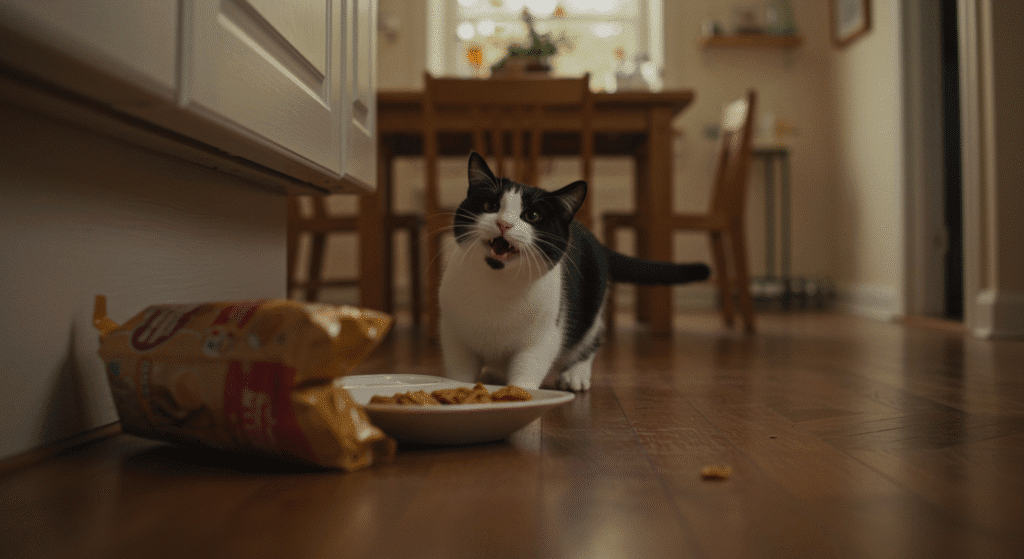
Have you ever been serenaded by the soft purring of your cat? It feels like you have a small motorboat next to you. But why do they do this? Purring isn't just a sign of contentment; it can also mean that something is wrong or that you're getting better. Yes, our cat buddies are quite good at doing more than one thing at a time!
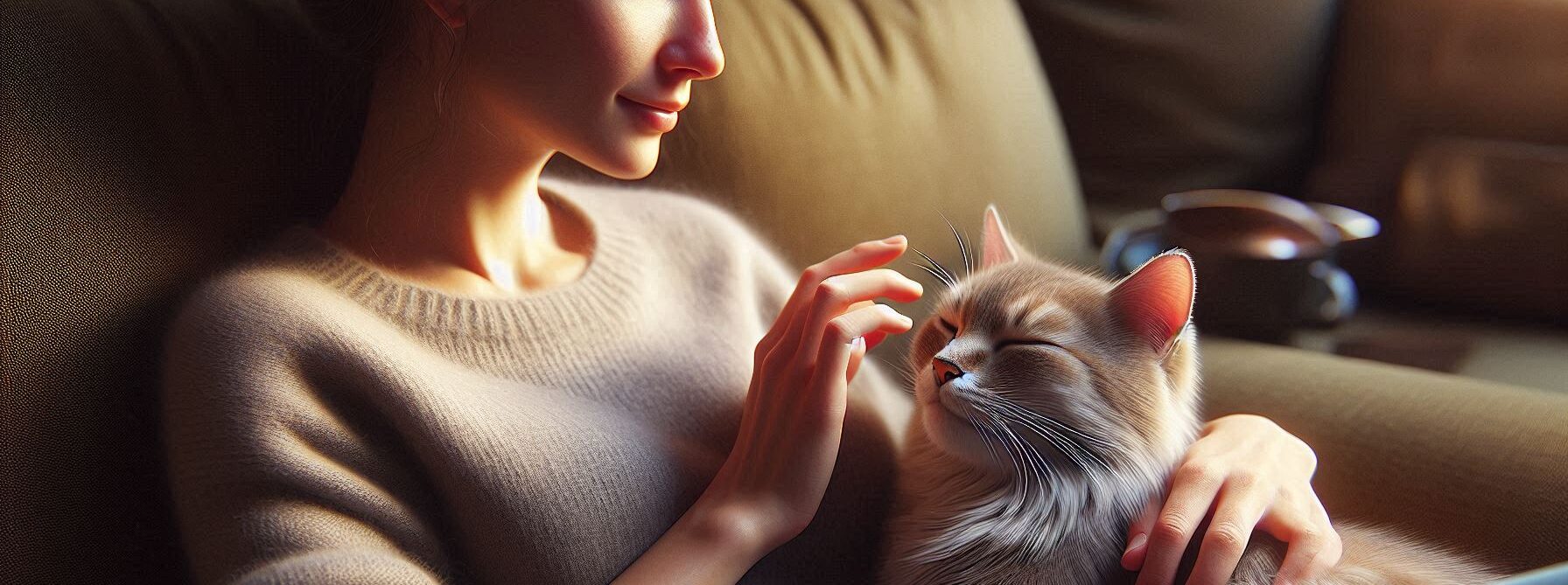
When cats purr close to us while they are snuggled up, it usually means they feel safe and comfortable. It's like they're saying, “I trust you, human!” You might see this behavior while they're nestled up on your lap or lying on the couch after a long day of doing nothing (which is a full-time job for them). This soft rumble means that the cat is happy, and it's one of the numerous ways our furry friends show how happy they are.
But not all purring sounds the same. If your cat is purring and hiding under the couch during a rainstorm, she might be trying to calm herself down. For such a small creature, the loud noises must be really intimidating! In this case, purring is a way for cats to calm themselves down, just like how people might hum a song or wrap themselves in a favorite blanket when they're worried. Isn't that just crazy? It seems like our cats have come up with their own ways to deal with things!
Research shows that the sound of a cat's purr can help them recuperate and lower their stress levels. This could be true for us as well! So if your animal friend starts humming a tiny tune when things become uncomfortable, pay attention. She might be using an old instinct to soothe herself and her favorite person.
So the next time your cat tries to sing to you to calm you down, think about what she might truly be saying. Is she happy and content? Or is she looking for comfort in the middle of all the chaos? Learning about these small differences in how cats act can help us get closer to them and better meet their needs. Being in tune with how our pets feel makes us better friends, and who doesn't want to be their cat's best friend?
The Mystery of Kneading
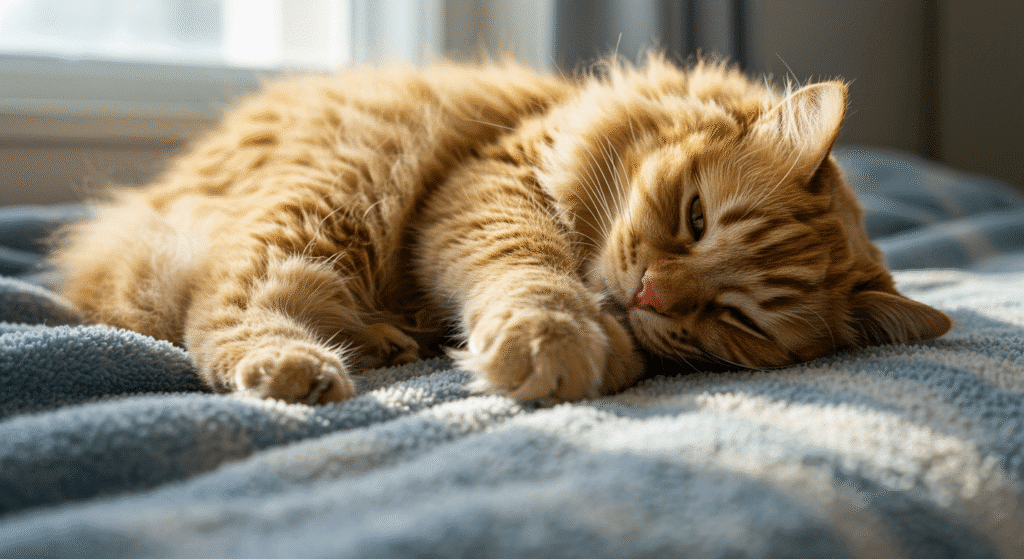
You know when your cat starts to knead with those cute little paws? It seems like she's kneading dough for an award-winning loaf of bread! This behavior goes back to when they were kittens and would knead their mother's abdomen to get milk to flow. Isn't that nice?
When mature cats do this, it's usually a sign that they're happy and remembering things. For them, it's like taking a warm, fuzzy trip down memory lane. I all, who wouldn't want to go back to those days when they could nap and eat all day? Imagine your cat as a kitten again, happily kneading their mother's belly or cuddling up in a sunbeam without a care in the world. When they do this cute kneading thing as adults, it's not simply to extend their paws; it's also a method for them to show that they're happy and comfortable.
When cats knead, they're satisfying their natural desire for love and safety. It seems like they're saying, “This is my spot!” “This is the best time ever!” They might be thinking about how nice it was when their mama cat spoiled them and gave them all the cuddles and milk they could want. So when you see your cat making biscuits on your lap or the couch, know that she's acting like a kitten. How cute is that?
But if your cat gets too excited with those claws—ouch!—you might want to provide her a soft blanket only for her culinary escapades. No one wants to appear like they've been through ten rounds with a cactus, after all! A special blanket can be her safe place where she can knead to her heart's content without you having to wince in agony every time she digs in.
Handy Amazon Shopping Directory for Cat Supplies
Cat Food - Cat Toys - Cat Health - Grooming - Carriers - Cat Beds - Apparel
Furniture - Cat Doors - Collars - Feeding/Watering - Flea/Tick Control - Treats
Giving your cat a special place to knead can also make her feel safer, which is interesting. Cats are creatures of habit, and having a set place to do this behavior makes them feel more comfortable. Also, it keeps your prized sweater from getting scratched by accident! Letting them knead is just one more method for us to enjoy our pets' eccentricities while keeping our own skin safe. Who would have thought that such basic actions could connect us and our pets in such deep ways?
Tail Talk: What Does That Flick Mean?
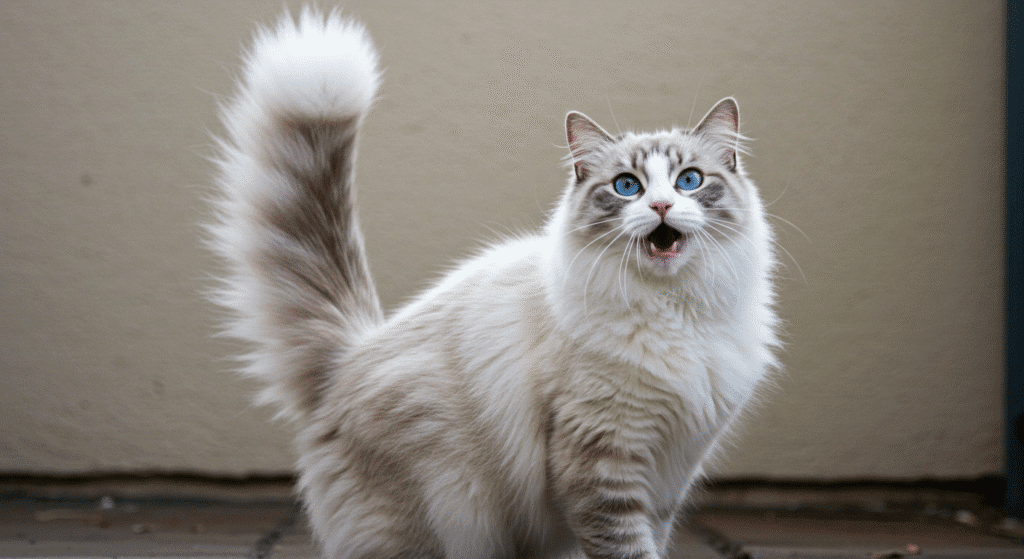
Let's chat about tails! Have you ever noticed how a cat's tail may say a lot? It's almost like they're waving little flags to show how they feel. A straight-up tail generally means that the person is friendly and confident, like “Hey there, buddy!” But if your cat's tail is puffed up like a feather duster on Halloween, be careful; it means your cat is terrified or threatened.
The speed at which your cat's tail flicks can also tell you a lot about how they are feeling. It's like having a mood ring that fits your finger perfectly! A slow wave of the tail usually means that the animal is curious or thinking. Picture your cat sitting on the windowsill, watching carefully at a bird that is flying by or maybe thinking about her life choices, like whether she should pursue that laser pointer again or just take another snooze. When this happens, her tail moves slowly and almost rhythmically, as if she's thinking hard. It's cute and kind of comical to think about what those fuzzy tiny heads are thinking.
On the other hand, quick flicks can mean that someone is upset or angry. You know that time when you're watching your favorite show and your cat suddenly wants some attention? Her tail moves back and forth quickly, like it's saying, “Why won't my human stop petting me?” It seems like she's saying she loves you, but she's had enough of showing it. Those quick motions could be a clear indicator that she needs some space, so pay attention to this warning before you get hit with some not-so-gentle swats!
It's amazing how much our kitties can say with their tails! So pay attention to that fluffy part; it says a lot! You can get an even better idea of how your cat is feeling if you pay attention to both its tail motions and its body language. For example, if she's lying down with her paws under her chest and her tail is flicking, it's probably best to leave her alone and let her enjoy her peace and quiet.
I frequently wonder about how hard it is for us humans to say what we mean. On the other hand, our cats have mastered this ability with just a few swishes and twitches. We can become closer to them and better meet their needs if we learn to read these signs. So, the next time you see your cat in motion, pay attention to its tail. It might show you more than you thought it would!
Why Do Cats Love Boxes?
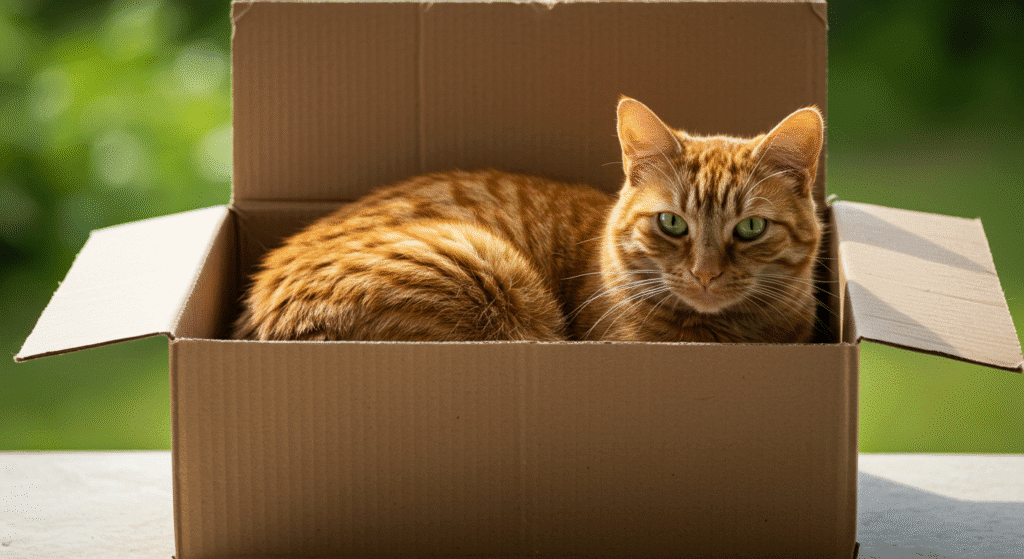
If you've ever bought a great toy for your cat and left it in the box that came with it, you're not alone. The notion that cats enjoy boxes appears almost comical, yet there is certainly some science behind it. Cats enjoy boxes because they provide protection and warmth to the animals, as well as a great shelter from potential threats (or pesky siblings).
Aside from these benefits, boxes provide good lookout towers for cats to observe their empire without being seen by others. In reality, no cat would refuse a secret shelter to manage its territory, right? They are similar to cats with fur coats in that they spy, stay in the dark while you prepare for the next attack on that bothersome squirrel outside, or simply observe your human workers (that is us) moving around normally. To be honest, who doesn't enjoy a great cardboard castle? It's like a fort for them, providing both safety and entertainment.
Wait a minute before you throw away that box just because you ordered something online! Your cat can have very different opinions. Rather just throwing it away, consider the potential delight that a cardboard box could bring. Imagine if your cat was dissatisfied with her new surroundings! As if it were a chest full of rare goods, she could move in and out, pawing everything and exploring every area. Not to mention how she fools you every time she emerges from beneath the flaps, as if she were a cat magician.
Furthermore, boxes not only provide a delightful play area for the cats, but they also give them a sense of security. Cats are predisposed to seek out and occupy small, enclosed spaces as a source of comfort and security from potential hazards. So when they choose to curl inside a box, they are not just playing; they are acting on the same instincts as their ancestors, who sought safety from the wild in tight places away from predators. As a result, when your cat lies on the old shipment box, she is doing more than just relaxing; she is returning to the fundamental foundation of her existence!
Also, the topic of creativity! With a little creativity and maybe some scissors, you can transform ordinary boxes into fantastic cat playgrounds. Some of the things you can do include creating cutouts for viewing during playtime and connecting many boxes with tunnels for a maze-like adventure. Your cat will appreciate your efforts and enjoy her new home.
So, before you toss away those empty boxes from your next internet delivery, know that they are full with unlimited experiences. Your wheel of fortune cats may have different plans for them, such as a surprise attack on unsuspecting toys or a calm snooze in the most popular fort-like location. You won't believe me, but you'll be the first to thank me, trust me!
The Art of Grooming
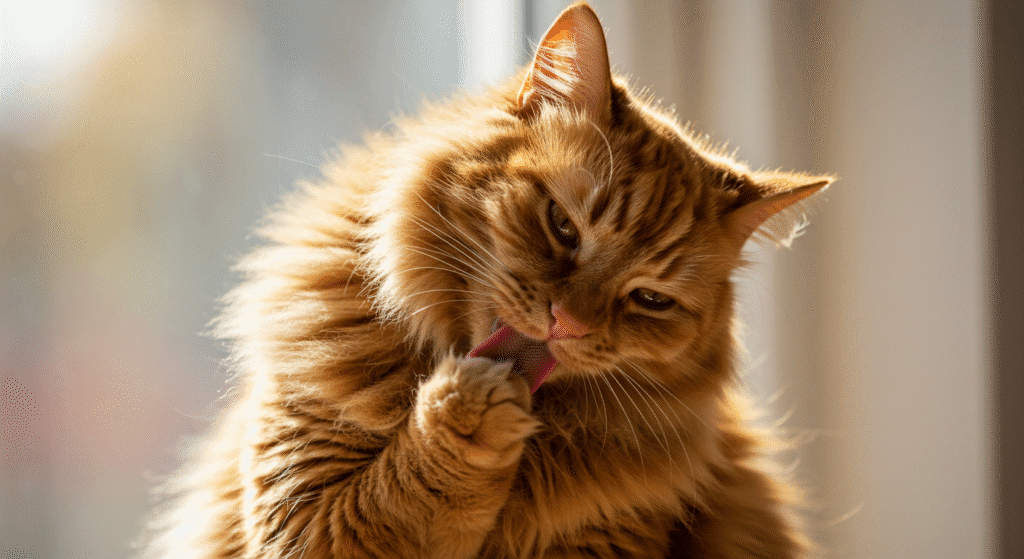
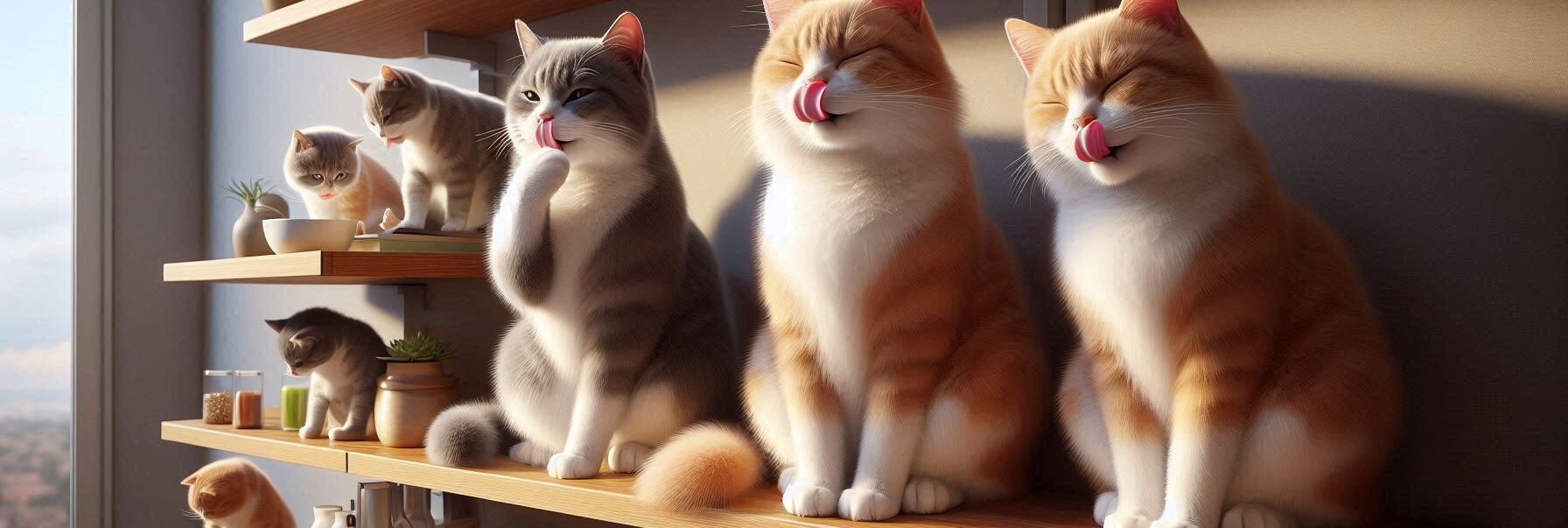
Another interesting thing about how cats act is how they groom themselves. Have you ever seen how carefully your cat licks every inch of her fur till it sparkles brighter than any diamond? Grooming has a lot of benefits: it keeps them clean (obviously), it helps them cool down by making their saliva evaporate, and it smells great!
Grooming can also be a social activity for cats, which is interesting. You might believe that grooming is something you do by yourself, but it's not! Allogrooming is when two cats groom each other. This makes their friendship stronger. It's like discussing secrets over coffee, but with more fur and maybe a few playful swats. This grooming routine isn't just about being clean; it's also a means for cats to show love and trust for each other.
Picture this: you're at your favorite coffee shop, drinking a latte and talking to your best friend about the wonders of life. Now picture two cats doing the same thing, except instead of heating mugs, they're washing each other's ears and whiskers with their paws! It's a close time that helps people become friends and get along. They are not only cleaning each other's fur by licking it, but they are also sharing fragrances that help strengthen their bond. It's like signing a friendship contract that you can't see!
If you observe two cats doing this ceremonial cleaning, don't bother them! They're talking a lot, telling each other stories with their soft licks and tender nibbles. When cats groom each other, they get physically close, just like people do when we have a heart-to-heart. This strengthens their social relationships. Allogrooming can even lower stress levels for both cats; it's nature's method of helping cats relax with each other.
It's interesting that the benefits go beyond just getting along. Allogrooming can also help set up social hierarchies in groups of cats. A dominant cat may groom a subordinate cat to show that she is in charge and to make the other cat feel better at the same time. On the other hand, the subordinate cat may express respect or submission by grooming the dominant cat, which is a delicate ballet of hierarchy played out through fur-covered devotion.
And let's not overlook how cute it is to watch! In the world of pet ownership, those little times when one cat gently nudges the other into place for grooming are priceless. Those pleasant interactions make you smile because they remind us that our animal buddies have deep emotional lives full of friendships and relationships.
So next time you catch your cats engaging in this delightful act of allogrooming, take a step back and appreciate what you're witnessing: a beautiful display of love, trust, and communication between two creatures who have found companionship in each other amidst all those cozy naps and mischievous adventures!
Vocalizations: More Than Just Meows
We all know that cats can make a lot of different sounds, from soft chirps to loud yowls. But did you realize that these sounds mean different things? For instance, when my cat meows in a high-pitched voice just before dinner, it's like she's saying, “Feed me now!”
It's really interesting to see kittens talk to their mothers by making certain sounds. Those little mews and chirps sound like the first pages of a book they're writing about their life. When they're just little balls of fur, they use these high-pitched sounds to grab Mom's attention. You might say it's their baby version of sending out an SOS when they're hungry or need a snuggle. It seems like they have a built-in way to talk to each other that makes them even cuter!
But here's where it gets really interesting: as kittens get older, a lot of them change their strategies completely based on what works best with people. They've moved on from kitten kindergarten to “How to Charm Your Human 101.” These little negotiators appear to know that our hearing work differently than those of their cat family relatives. Instead of the same old cat sounds, they start employing deeper, more diversified sounds that we can relate to better. How smart is that?
Some studies even say that some sounds are made just for people to hear. Researchers observed, for example, that cats might change the pitch and frequency of their meows to get our attention better. Isn't that hard to believe? It's almost like our furry pals are picking up on our signals! This makes me think: Are we being controlled? Are we merely puppets dancing on strings made of cute purrs and sad meows?
When your cat looks up at you with those large eyes and meows softly, how can you say no? They've really gotten good at convincing people! They know exactly when to turn on the charm, like when it's time to eat or when they want extra cuddles on a leisurely afternoon. And really, who could turn down such a sincere request? You say things like, “Okay, fine!” Just one more treat!” before you realize that a creature that weighs less than your shoe has outsmarted you.
It's interesting that this change in communication isn't simply restricted to speech; it also includes body language. As kittens grow up, they change a lot in ways that are meant to make us humans like them. They might brush against our legs or perform that cute head-butt thing (also called bunting) not just to show they love us, but also to mark us as theirs—a subtle reminder that we're theirs!
Also, let's not forget that these sound changes make living with cats even more fun (and occasionally annoying). Who hasn't been woken up at 3 AM by a loud chorus of yowls asking for breakfast? Or seen your cat successfully communicate her need for fun through more complex vocal performances?
So, the next time you hear your cat meowing in her own special style or begging for another treat, remember that she's not simply making noise; she's having a very complicated conversation with you! It's up for dispute whether it's manipulation or pure genius, but one thing is for sure: these furry negotiators know how to get what they want, and we adore them for it!
Conclusion: Embracing Our Furry Companions’ Quirks
Figuring out the behavior of cats is not only about figuring out their strange habits but also about recognizing the amazing creatures that we live with. Each eccentricity gives us a new hint of their character and what they need. Hence, even if they are snugly fitting in small spaces or looking at us with a disapproving glance from the other side of the room, why not accept all those lovable peculiarities!
Suggested External Resources:
The Spruce Pets – Cat Behavior
https://www.thesprucepets.com/cat-behavior-4178304
PetMD – Understanding Cat Behavior
https://www.petmd.com/cat/behavior/evr_ct_cat_behavior
American Association of Feline Practitioners – Understanding Cat Body Language
https://catvets.com/guidelines/practice-resources/cat-body-language
Frequently Asked Questions
Why do cats purr for different reasons?
Purring can signal contentment, stress relief, or even physical healing, depending on the situation and emotional state of the cat.
What does kneading behavior represent?
Kneading often connects back to kittenhood and is linked to comfort, positive memories, and feelings of safety.
How can tail movements indicate feline emotions?
A slow tail wave may show curiosity or thoughtfulness, while quick flicks can signal irritation or a need for space.
Why do cats love boxes so much?
Boxes offer warmth, safety, and a secure hiding place that satisfies natural instincts related to protection and observation.
Do cats groom each other for social reasons?
Allogrooming strengthens social bonds, lowers stress, and can help define relationships within multi-cat households.
Are cat vocalizations directed toward humans on purpose?
As cats mature, they often adapt vocal tones to better communicate with humans, using different pitches to express needs or attention-seeking.
How does understanding behavior improve the human-cat bond?
Recognizing meaning behind actions such as purring, tail signals, and vocal patterns helps owners respond appropriately and strengthen trust.

Kevin Collier is a dedicated feline enthusiast and expert contributor at CatFAQ.com, where he shares his knowledge on cat health, training, and overall well-being. With years of experience caring for and studying cats, Kevin provides insightful tips and practical advice to help cat owners nurture and understand their pets better. His passion for enhancing the human-animal bond shines through in his articles, making them a valuable resource for anyone looking to improve their cat’s quality of life. Whether it’s training techniques or health care tips, Kevin aims to empower cat owners with the information they need to ensure their furry companions thrive.