
Top Takeaways and Key Concepts.
→ Schedule yearly vet visits to catch hidden problems early.
→ Ask for personalized health plans based on age and lifestyle.
→ Monitor food portions daily to avoid weight gain and obesity.
→ Increase daily play sessions to encourage movement and calorie burn.
→ Track behavioral changes and discuss them with your vet.
Summary of This Article.
Regular vet visits support longer, healthier cat lives through early detection, preventive care, and weight control. Readers learn how lifestyle, diet, and behavior all connect to their cat’s health. With routine exams and small daily habits, you can confidently prevent problems before they become major.
Video Summary
People often tell me that I don't need to take my cat to the vet every year or two. I'm a proud cat mom. People say things like, “What's the point?” Fluffy looks fantastic. Your cat doesn't need to wear a turtleneck to hide an entire silo down there! Cats can be as hard to understand as a magic act. They look healthy one minute and sick the next. So, let's get to the point: why your cat needs to see the vet so regularly.
Please Note: This post may contain affiliate links. If you click one of them, we may receive a commission at no extra cost to you. As an Amazon Associate, I earn from qualifying purchases.


Jump to Content
Talking To a Vet
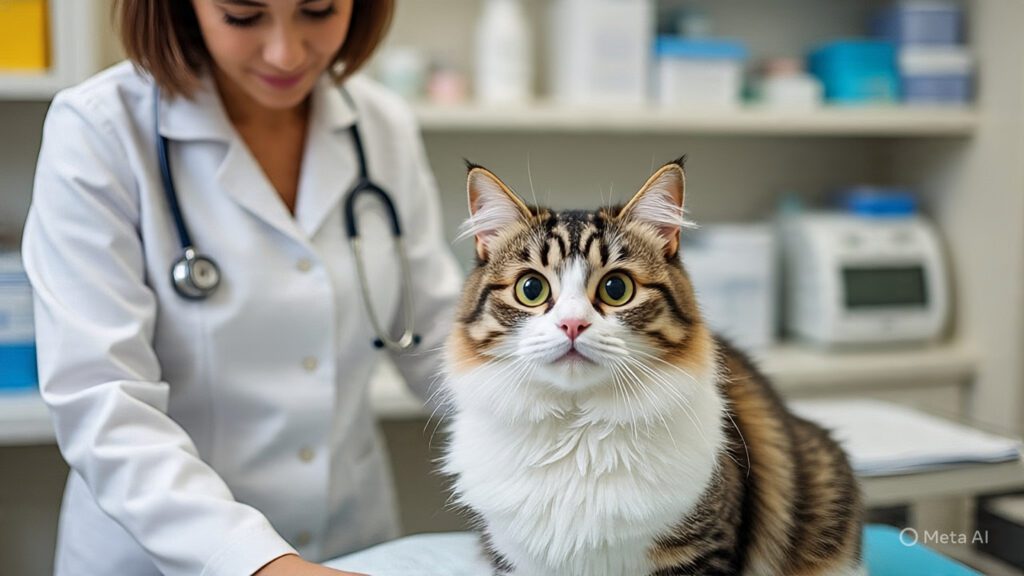
When you take your pet to the doctor, it's like making an appointment for your own health checkup. It doesn't sound like a lot of fun, but it's very necessary for your pet's health. We rely on doctors to watch over our health and catch problems early. We should treat our dogs the same way we treat our kids.
1. Catching health problems early: It's crucial to take your pet to the vet often so that their health doesn't get worse. Over time, a number of diseases might arise, such as kidney failure or dental disease, and they may not show any signs until a lot of damage has been done.
For instance: – Dental Disease: This is common in pets and can hurt them, make them sick, and even damage their organs if it isn't treated. A vet can clean your teeth and teach you how to do it at home. – Kidney issues: Older dogs and cats can sometimes get chronic renal disease. Blood tests can uncover abnormalities early on. This can lead to changes in diet or treatment that make a big difference in how patients feel.
2. Preventive care: It's better to stop something from happening than to cope with it! Regular checks enable vets deliver shots, keep fleas and ticks under control, and make sure your pet doesn't get sick from common ailments. – Vaccines help your body fight off a lot of diseases that can be really bad if you get them. – Keeping parasites in check eliminates infestations that can make you sick or impair your health.
3. Personalized Health Plans: Every pet is unique, and their age, breed, lifestyle, and any health issues they already have will affect how they should be cared for. Vets may create individualized health plans for your pet that include the right food for them, whether they are a hyperactive kitten or an aging dog with specific dietary needs.
4. Aid with Behavior: Veterinarians can aid with your pet's health and behavior. If Fluffy is scared of thunderstorms or Fido won't stop barking at the mailman, a doctor can help you figure out the best ways to train or treat your pet's behavior.
5. Building a Relationship: When you have a good relationship with your vet, your pet, and you, you all trust each other more. while pets go to the clinic a lot while they're young, they get used to it and are less apprehensive during future inspections or treatments.
The Emotional Connection
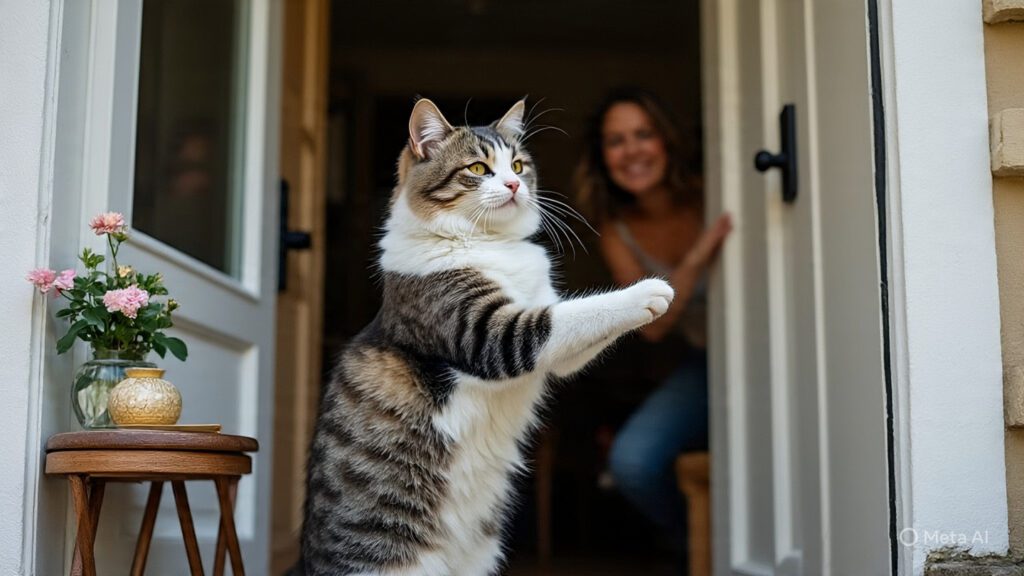
No matter what, our pets love us. When we get home after a long day, they are happy to see us and wrap up next to us when we need comfort the most. We need to make sure they live long, happy lives free of preventable illnesses in exchange for their affection and loyalty.
Handy Amazon Shopping Directory for Cat Supplies
Cat Food - Cat Toys - Cat Health - Grooming - Carriers - Cat Beds - Apparel
Furniture - Cat Doors - Collars - Feeding/Watering - Flea/Tick Control - Treats
Think about how much better their lives will be when they are healthy. You won't have to worry about unexpected emergencies if you know you've done everything you can to prepare for problems that might come up.
How to Get Them to Trust You
Now let's talk about how to get others to trust you. Cats are proud and see people as their loyal followers. Take your cat to the vet soon away if you don't want to have to follow it around the house because it believes the carrier is a door to a different world. I feel at comfortable when I go to my favorite pizza place because I'm used to it. The staff will also get to know your cat better if you take them to the vet a lot. They won't just be a target for needles. They'll think of them as the cute little furball they are.
Cats That Are Overweight
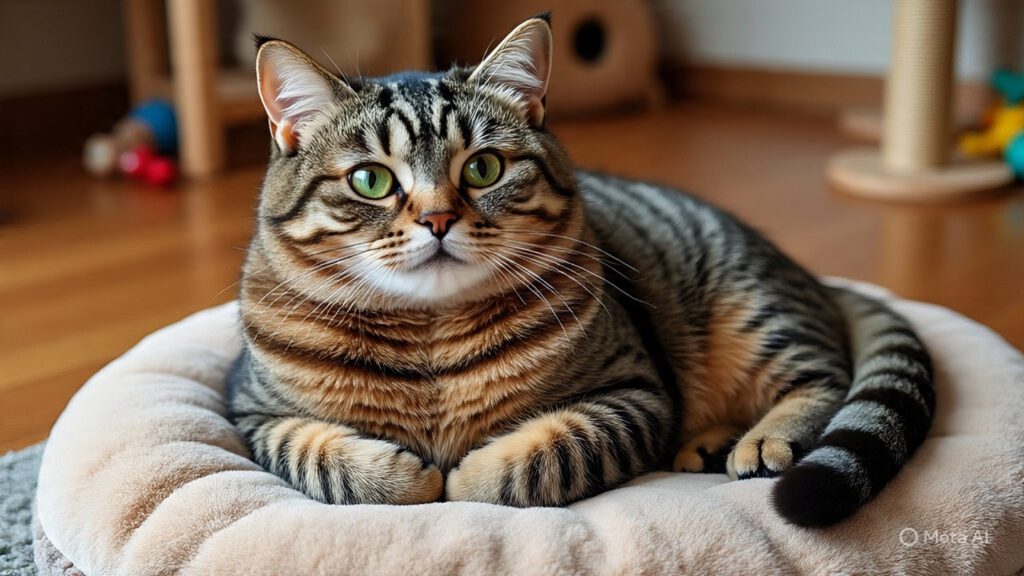
Did you know that being overweight is one of the hardest things for cats? Speaking of keeping our furry pets healthy, those chubby cheeks may appear lovely now, but they could lead to diabetes and arthritis later on. The vet might advise you how much food your cat should really eat when you take it in for regular checks. It's like having a personal trainer for your pet, but without the mean glances.
What You Should Know About Overweight Cats
More and more pet owners and doctors are worried about cats that are too heavy. A lot of cats are overweight because they eat a lot of high-calorie meals and don't move around enough. You need to know what makes your cat fat, what happens when they are, and how to help them reduce weight if you want them to be healthy and happy.
Why Cats Get Fat
1. Eating Habits: One of the primary reasons cats get fat is that their owners don't pay attention to how much food to give them and give them too much or food that is high in calories. You could gain weight if you don't make sure your cat gets enough activity and eats the right mix of carbs and fats in commercial cat food. – Feeding for Free: If you let your cat eat whenever they want, they might eat too much. Unlike dogs, who stop eating when they are full, many cats will keep eating as long as there is food.
2. Not Enough Exercise: Cats are natural hunters, but they don't get to hunt as much while they live inside. If kids don't have time to play or do other things, they might not do much. – Not Being Active: Cats who don't play or explore every day tend to burn fewer calories, which could make them acquire weight over time.
3. Age and Metabolism: As cats get older, their metabolisms tend to slow down. Older cats may not want to play as much since they don't have as much energy or their joints pain. Cats who are older often need different kinds of food than cats that are younger. If they don't change what they eat, they could gain a lot of weight.
4. Health Issues: Some health issues can make it easier for cats to gain weight. If you have diabetes or hypothyroidism, for example, your body may digest food and control your appetite in a different way. Some drugs that help with different problems can also make you want to eat more or move less.
5. Genetics: Just like people, some cat breeds are more susceptible to get fat than others. For example, the British Shorthair breed is known for being overweight.
What happens if your cat is overly heavy?
Being overweight can hurt a cat's health and quality of life in more ways than just making it look ugly.
1. Joint Problems: Being overweight puts more stress on joints and ligaments, which can cause arthritis and make it hard to move. Because of these characteristics, it could be quite hard for a cat to get a lot of work done.
2. Diabetes Mellitus: Cats that are overweight are more likely to get diabetes, which is a disease that needs insulin therapy and changes to their nutrition for the rest of their lives.
3. Heart Disease: Cats that are overweight are more likely to have heart disease since their hearts have to work harder to pump blood through their bodies.
4. Problems with breathing: If you have too much fat around your chest, it could make your lungs work harder, which can make it hard to breathe, especially when you're exercising hard.
5. Shorter Lifespan: Research shows that overweight pets are more likely to have health problems that last a long time, which means they live shorter lifetimes than pets that are at a healthy weight.
How to Keep Them Slim
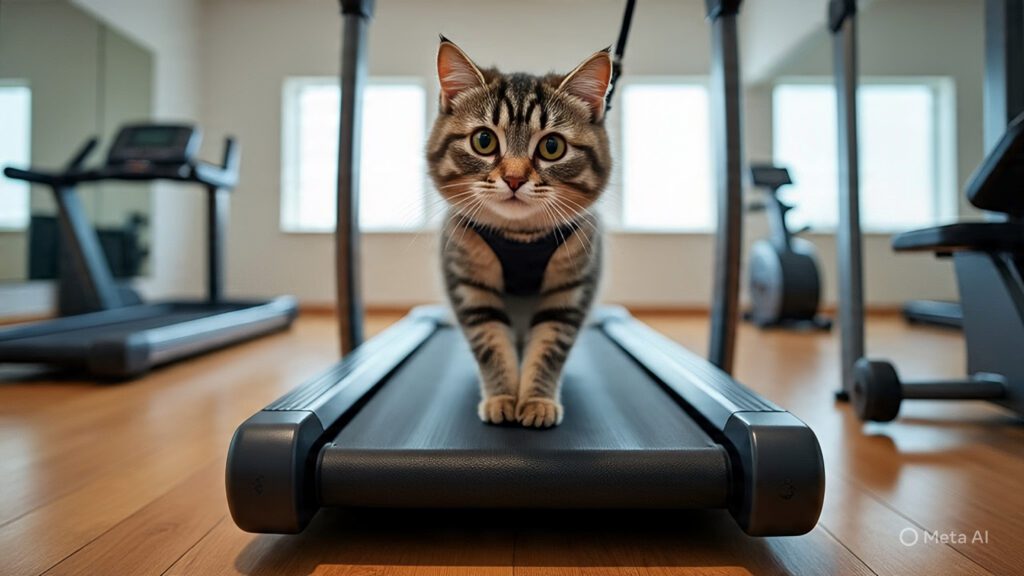
You can try a few things if your kitty is too heavy:
1. Talk to Your Vet: Before you do anything, ask your vet what would be best for your cat. This entails finding out what the healthiest weight is for your body and how to lose weight healthily.
2. Watch the portions: Don't let your cat eat as much as it wants. Instead, follow the directions from your vet or the pet food company to measure out its meal.
3. Changing diets: You might put your cat on a special weight loss diet that has fewer calories but still gives them the nutrition they need.
4. Play with your cat: Get them to run and jump by giving them toys like feather wands or laser pointers. This will make working out more fun. Play for at least 15 to 30 minutes every day.
5. Environmental enrichment: Put in climbing trees, scratching posts, or puzzle feeders that your cat has to work for (and burn off calories).
6. Check on them often: Weigh your cat at home or at the vet's office every so often to see how they're doing. Based on what you notice over time, change the time of day they eat.
Changes In How Cats Behave
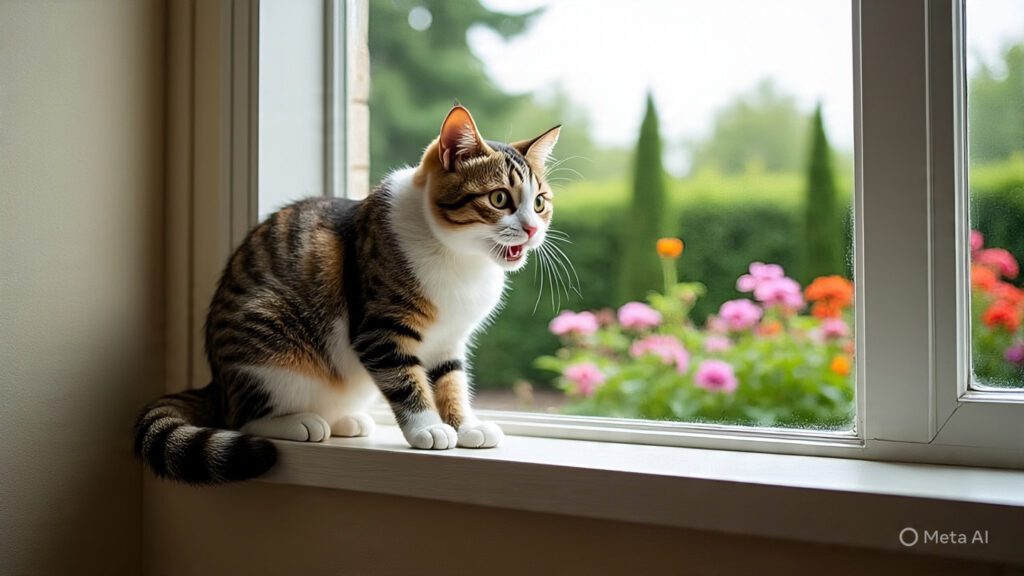
Cats are pretty skilled at hiding how they feel, to be honest. It could signify that something is amiss if Mr. Whiskers is acting up or not using the litter box. You could think he's having a rough day. Write down your yearly checks so your vet can help you with any changes in behavior before they grow worse.
If your dog or cat starts acting strangely, it might mean a lot of things, including they're sick, they've moved to a new house, or they're just in a foul mood. To keep their pets healthy, pet owners need to know about these changes.
1. Changes in health
One of the biggest reasons pets behave differently is because they are sick. If your cat was moving about a lot and then suddenly stopped, it can be unwell or in pain. There are a few signs that are common:
– Loss of Appetite: If your pet stops eating or eats less, it could be because of dental problems, intestinal problems, or a serious disease.
– More Aggression: If someone suddenly becomes violent, it could be because they are hurt or afraid because of an injury or illness.
– Hiding: Cats typically hide when they are sick. If your cat starts to hide more than normal, you should take it to the clinic.
2. Changes in the surroundings
Animals are creatures of habit, thus they may not enjoy it when things change around them. You might feel stressed and act differently when you move to a new home, get new family members (people or dogs), or even merely change furniture around. For instance:
– Marking their territory: If a cat feels like new creatures are invading their space, they could start to pee outside of the litter box.
– Too Much Noise: Pets could make more noise when they don't feel safe.
– Destructive Behavior: When people are bored or anxious because things have changed around them, they may gnaw on furniture or scratch walls.
3. What do you think?
Pets, like people, have feelings that can change how they act:
– Stress and Anxiety: Dogs and cats can both get nervous when their owners aren't home. Barking too much, acting strange when left alone, and trying to get away are all indicators.
– Depression: Pets may become less playful and gregarious after losing a buddy, whether that friend is an animal or a person.
4. Aging
As pets become older, their bodies and minds change, which affects how they behave:
– Cognitive Dysfunction Syndrome (CDS): Like people with dementia, older pets may get confused, have difficulties sleeping, and act differently among other pets.
– Physical Limitations: As people age, they may develop arthritis or other conditions that make it harder for them to move. This can make individuals less likely to do things they used to enjoy.
5. Making friends and learning
How owners train their pets can also change how they act:
– Positive reinforcement vs. punishment: Training that uses positive reinforcement usually builds trust and lowers anxiety, while training that uses punishment can scare dogs and make them act out of fear.
– Chances to make friends: If you don't have enough chances to make friends at critical growth times, you might seem terrified of new people or places later on.
To show your pets you love them, you need to take care of them. Don't let boredom win. be an appointment for your pet's yearly checkup to be sure they don't have any health problems that could be causing them to act strangely.
Suggested Resources:
The Importance of Regular Veterinary Checkups
https://www.avma.org/resources-tools/pet-owners/petcare/importance-regular-veterinary-checkups
Cat Health: Why You Should See Your Vet Regularly
https://www.humanesociety.org/resources/cat-health-why-you-should-see-your-vet-regularly
Frequently Asked Questions
How often should I take my cat to the vet?
Most cats should visit the vet once a year, but seniors may benefit from exams every six months.
Why do cats need regular vet checkups?
Routine exams detect dental disease, kidney issues, parasites, and other hidden health concerns early.
How do vets help with personalized cat care?
Vets create nutritional and lifestyle plans tailored to each cat’s age, activity level, and medical needs.
Can vets help with behavior problems?
Yes. Vets can identify anxiety triggers, fear responses, or medical issues contributing to unwanted behavior.
Why is obesity dangerous for cats?
Extra weight raises the risk of diabetes, arthritis, heart strain, and shortened lifespan.
How can I help my cat maintain a healthy weight?
Portion control, regular play, and vet-guided diet choices help maintain a safe and healthy weight.
Should I monitor changes in my cat’s behavior?
Yes. Sudden changes may signal illness, stress, pain, or environmental adjustment issues that need a vet’s review.

Kevin Collier is a dedicated feline enthusiast and expert contributor at CatFAQ.com, where he shares his knowledge on cat health, training, and overall well-being. With years of experience caring for and studying cats, Kevin provides insightful tips and practical advice to help cat owners nurture and understand their pets better. His passion for enhancing the human-animal bond shines through in his articles, making them a valuable resource for anyone looking to improve their cat’s quality of life. Whether it’s training techniques or health care tips, Kevin aims to empower cat owners with the information they need to ensure their furry companions thrive.