Cats are truly fascinating creatures, aren’t they? From their quirky behaviors to those adorable little pounces, there’s so much to learn about our furry friends. Whether you’re a seasoned cat owner or just considering adopting one, understanding some key cat information can help ensure that your feline companion leads a happy and healthy life. So grab a comfy spot on the couch (preferably with a kitty nearby), and let’s dive into the wonderful world of cats!
Top Takeaways and Key Concepts
- Feed cats high-quality meat-based food and control portion sizes daily.
- Provide one more litter box than cats, and keep boxes clean and well-placed.
- Schedule regular vet visits and spay or neuter your cat for better health.
- Encourage daily play with toys or puzzle feeders to prevent boredom.
- Brush regularly to reduce shedding, prevent matting, and strengthen your bond.
Article Summary
This comprehensive guide explores everything cat owners need to know for keeping their feline companions healthy and happy. It covers the essentials of proper nutrition, emphasizing high-quality meat-based diets and portion control, along with detailed litter box tips for hygiene and comfort. The text explains common feline behaviors—like kneading, slow blinking, and purring—to help owners better understand their pets’ emotions. It highlights the importance of playtime for exercise and mental stimulation, recommending toys and puzzle feeders to channel natural hunting instincts. Grooming is presented as both a hygiene and bonding activity, while regular vet visits and spaying or neutering are stressed for long-term wellness. Finally, it advises creating a safe, enriched environment with climbing areas, cozy hideouts, and quiet spaces—ensuring cats thrive both physically and emotionally in their homes.
Video Summary
Jump to Content
The Basics of Cat Care
Please Note: This post may contain affiliate links. If you click one of them, we may receive a commission at no extra cost to you. As an Amazon Associate, I earn from qualifying purchases.


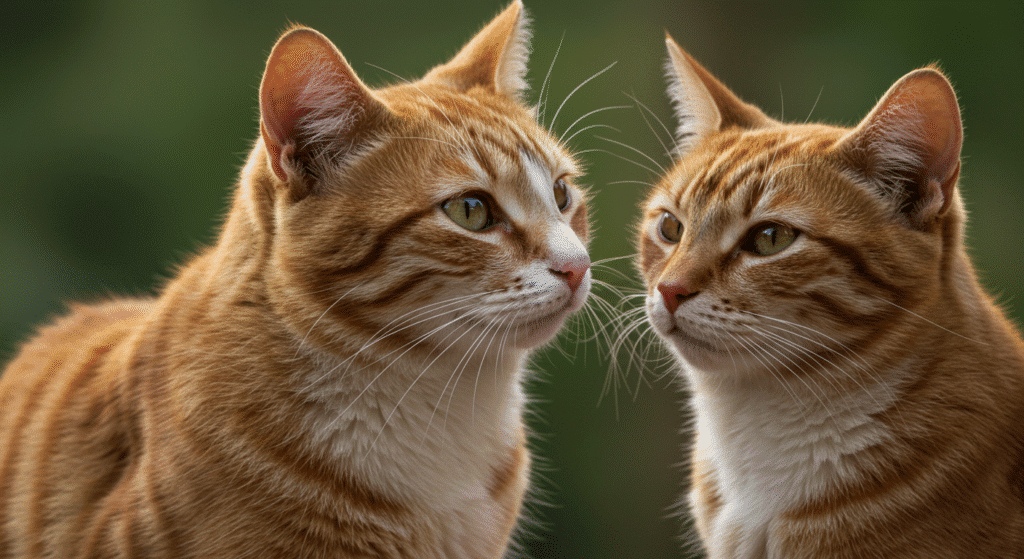
Cats have a special talent for knowing exactly when you're about to eat something, and they can appear out of nowhere like furry ninjas—often demanding their share with the intensity of a tiny food critic!
“Cats are connoisseurs of comfort.” —James Herriot
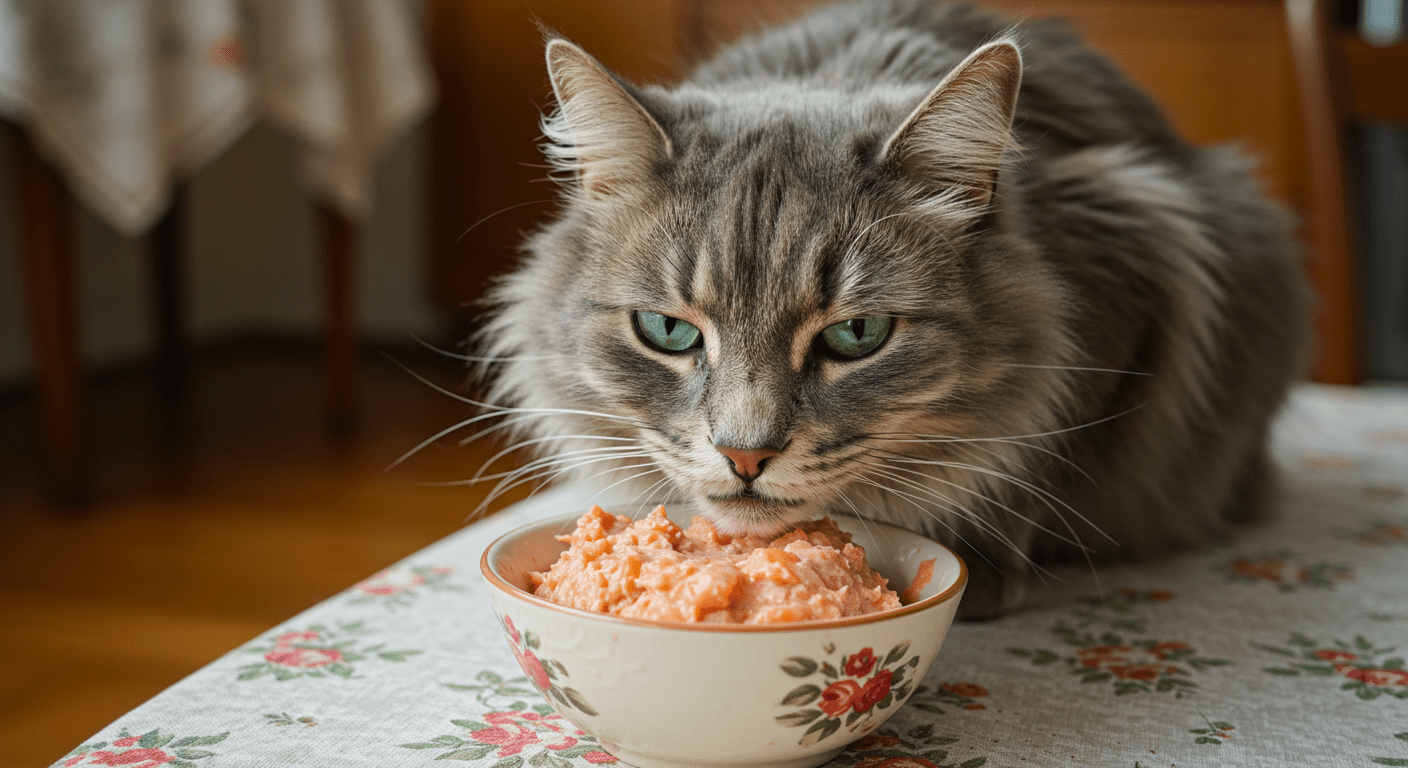
You might believe that taking care of a cat is only about giving it food and a place to live. But wow, there's a lot more! First, let's talk about food. Cats are obligate carnivores, which means they need to eat meat to stay healthy. This isn't simply a fancy word; it's quite important for their health as a whole! You need a good cat food that lists meat as the first component. And don't forget to watch how much you feed your cat. No one wants a fat cat rolling about like a fluffy bowling ball!
We can't forget about litter boxes while we're talking about the basics. You might think that any old box will suffice, but cats have their own tastes! It's like looking for the right pair of shoes; what works for one person might not work for another. Some cats like enclosed boxes that make them feel safe and private, while others like open, breezy locations where they can feel the breeze and watch out for sly siblings who might try to sneak up on them.
The size of the litter box is also important, which is interesting. Fluffy might seem cramped and uncomfortable in a small box, like trying to fit into last year's clothes after a big meal. The box should be at least one and a half times the length of your cat so that she has ample area to spin around easily. And if you have more than one cat, it's ideal to have one more litter box than you have cats. This way, everyone has their own place and doesn't have to fight for restroom time.
Fun Feline Facts: The Basics of Cat Care
– Purr-fect Timing: Cats spend about 70% of their lives sleeping. That’s like having a full-time job as a professional napper—no wonder they’re so good at it!
– Whisker Wisdom: A cat’s whiskers are roughly as wide as its body, helping them navigate tight spaces. Think of them as built-in measuring tape for feline adventures!
– Foodie Felines: Cats can’t taste sweetness, which is why they’ll never steal your dessert. Instead, they prefer the savory delights—bring on the tuna!
Now let's discuss about the litter itself. There are so many choices that it might be hard to decide what to do. Should you use clumping or non-clumping, clay or natural materials? Also, cats can be finicky about the texture of their litter. Some people like litters that are fine-grained and feel soft under their paws, while others like litters that are a little rougher. You can find out what Fluffy likes best by trying out several kinds. Just remember to make the changes slowly so she doesn't feel like she's been dumped into a new place all of a sudden.
Handy Amazon Shopping Directory for Cat Supplies
Cat Food - Cat Toys - Cat Health - Grooming - Carriers - Cat Beds - Apparel
Furniture - Cat Doors - Collars - Feeding/Watering - Flea/Tick Control - Treats
And don't forget about where it is! The litter box's location is quite important for getting people to use it regularly. Cats usually stay away from busy or loud places, as when you have to do your business with loud vacuum cleaners or youngsters running around. Instead, pick a quiet spot where Fluffy can be alone and safe when she wants to be.
Of course, upkeep is also quite important! It's important to scoop often; no one wants to step in a nasty surprise while they're just trying to do their job! If you have more than one cat using the same litter box, try to scoop at least once a day, or twice if you're feeling very ambitious. And don't forget to deep clean the box every few weeks by taking out all the litter, scrubbing it with soap and water, and then putting in new litter.
It is not enough to just place a box filled with sand in a corner of the room for your cat to have a perfect litter box. It is about satisfying her special needs and likingand believe me, she will thank you with less mishaps (and maybe a few more purrs!) After all, if the cat is happy, so is the house!
Moreover, vet check-ups should always be remembered. Even though humans may not like them and still go for an annual physical, cats also need their wellness visits. These appointments can detect the problem at its onset and keep your kitty healthy and strong.
Understanding Cat Behavior
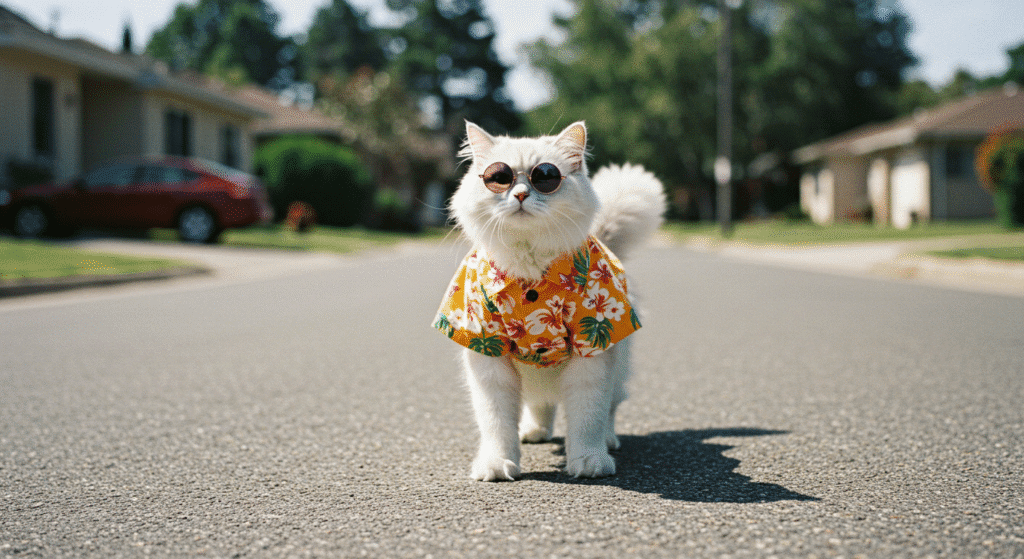
When a cat brings you a “gift”—like a dead mouse or a random sock—they're not just showing off their hunting skills; they might be trying to teach you how to hunt, because clearly, you're not doing it right!
“Cats are smarter than dogs. You can't get eight cats to pull a sled through the snow.” —Jeff Valdez
People typically think of cats as strange animals that think for themselves, and why could blame them? One minute they're purring happily in your lap, and the next minute they're running around the room like they've just seen a ghost! It can be hard to figure out how cats act, like trying to read an old language.
For example, have you ever seen how cats knead with their paws? This cute behavior goes back to when they were kittens and kneaded their mother's abdomen to get milk to flow. Many cats still do this reassuring thing as adults when they are happy or comfortable.
There are also times when Fluffy gives you “the stare.” That gaze with wide eyes that makes you feel like she's scrutinizing your whole life? It seems like she's channeling her inner cat philosopher and thinking about the biggest questions in life while sitting on the back of your couch. It can be a little creepy at times, though. You could be curious about what ideas are going through her mind. Is she planning to take over the world? Or maybe just thinking about whether or not to knock that glass off the table for fun?
Fun Feline Facts: Understanding Cat Behavior
– The Slow Blink: When a cat gives you a slow blink, it’s like saying “I love you” in cat language. Try returning the gesture—just don’t fall asleep mid-blink!
– Tail Talk: A cat's tail can tell you how they're feeling. A flicking tail? They’re annoyed. A puffed-up tail? Time to back away slowly; they’re channeling their inner lion!
– Knead and Purr: Cats knead with their paws as a way of showing affection, reminiscent of kittenhood when they’d knead their mother for milk. It’s like your own furry barista making coffee—except it's just a cozy moment!
This focused look is actually her way of showing love, which is interesting. Cats have their own style of talking, and believe me, it doesn't always entail meowing! Fluffy's piercing stare is an indication that she feels safe and at ease in her surroundings. After all, she wouldn't be paying you so much attention if she didn't trust you entirely. In cat culture, looking someone in the eye might mean that you know them well and are sure of yourself.
Now for the fun part: if she slowly blinks at you while you're staring at her, surprise! She loves you too! Some people call this slow blink “cat kisses.” When a cat closes its eyes around you, it's like they're saying, “Hey buddy, I love you!” It's a way to connect and show love back. So the next time Fluffy looks at you and then gives you that cute little blink-and-you-miss-it moment, don't forget to do the same!
Try slowly blinking back at her. It might seem a little goofy, like you're both playing a secret game, but trust me, it works! It shows her that you feel the same way about her. If she keeps looking at you while executing this little eye dance, congratulations—you've entered into an implicit agreement of love and trust.
These instances are the perfect examples of some hilarious situations to arise. Just picture Fluffy spying on you with her piercing glance from the other end of the room whilst you are gobbling down chips or scrolling on your phone. Quite possibly, you might become self-aware with the snack you have chosen or your hair might be so untidy that you are thinking of giving up on the world – after all who would want to let down their highly judgmental furry friend? However, keep in mind that she is not really giving judgment; she is just being her unique self!
Never put a price on those moments of intimacy with our feline friends. So, accept “the stare” for what it really isa loyal and loving gesture cloaked in mystery and awe. And, look, if nothing else results from it but a few giggles at how solemn they get when pondering their next nap location? Then, I’d say we’re doing a great job at this whole pet-parent thing!
The Importance of Playtime
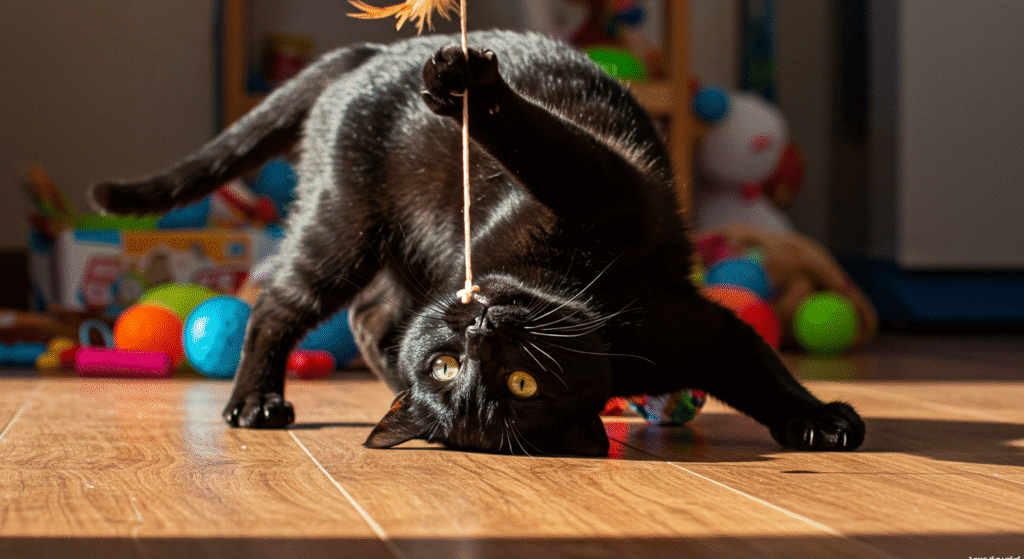
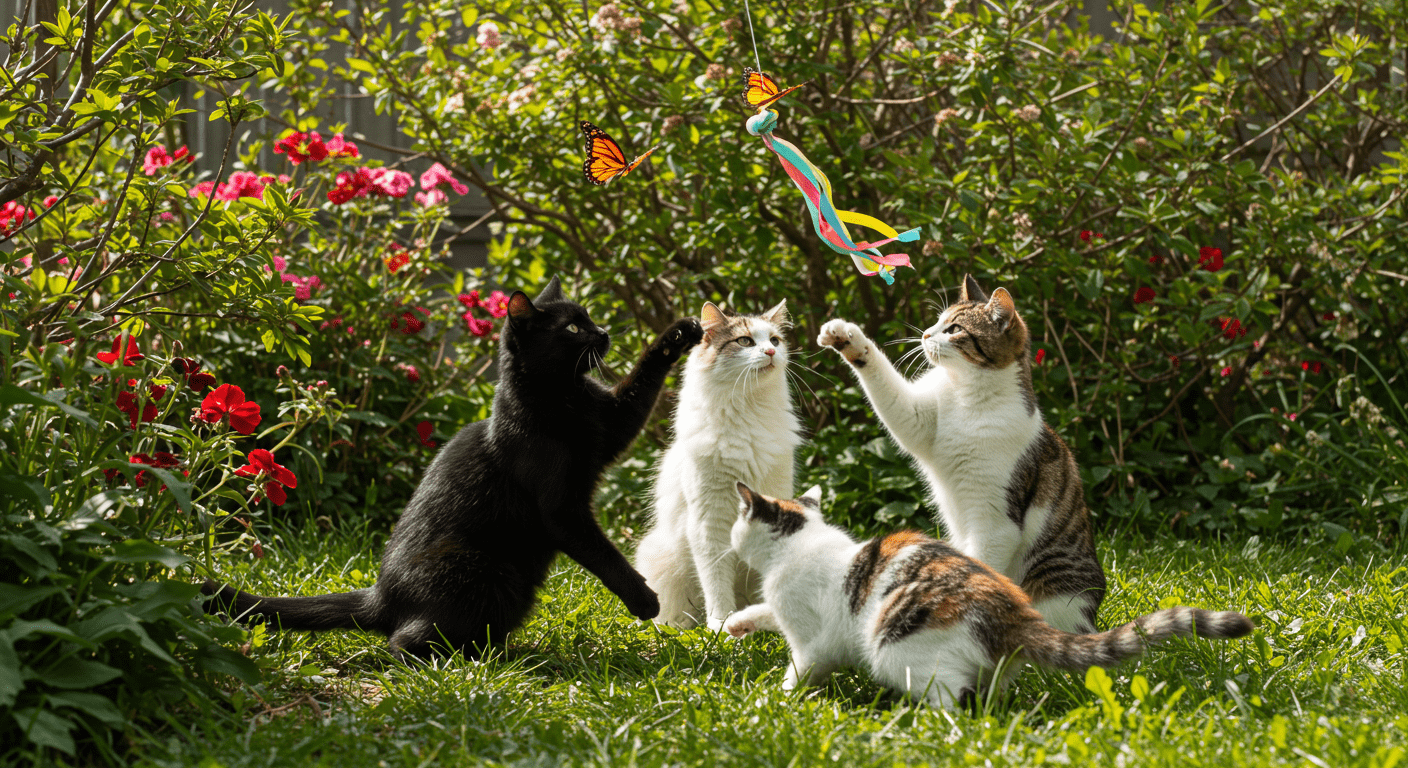
Cats can spend up to 70% of their lives sleeping, but when they’re awake, it’s all about the hunt! Their idea of playtime is basically a practice session for catching imaginary prey—so if you see your cat stalking a shadow, just know they're training for their future career as a ninja.
“Time spent with cats is never wasted.” —Sigmund Freud
Not only is playtime fun, but it's also good for your cat's health, both mental and physical. Cats are natural hunters, even if they usually hunt dust bunnies at home. Giving kids fun toys helps meet that need and keeps them busy.
What kinds of toys should you buy? Feather wands are always a hit because they look like birds flying through the air. They're great for getting Fluffy's inner predator going! Laser pointers can also be a lot of fun, but don't light them straight in her eyes. That would be a bad idea!
Puzzle feeders are a great way to keep Fluffy busy and give her nice goodies at the same time. Picture this: every time she eats, she has to solve an adorable little mystery! It's like a game where she has to figure out how to get to the tasty food that's concealed inside. This not only gets her head going, but it also makes feeding her more fun than it would be otherwise.
Fun Feline Facts: The Importance of Playtime
– The Zoomies: Cats can go from lounging to full-on sprint mode in seconds. Those random bursts of energy are called “the zoomies,” and they’re basically your cat’s version of a spontaneous dance party!
– Pounce Practice: When your cat plays, they’re not just having fun—they're honing their hunting skills! Every crumpled paper ball is a tiny prey item that helps them keep their instincts sharp (and you entertained).
– Laser Light Logic: Ever notice how cats will chase a laser pointer like it’s the ultimate prize? They don’t realize it’s just light; to them, it’s the elusive “red dot” that must be caught at all costs—like an Olympic sport for felines!
Let's be honest: there are more than one reason why we need to keep our cats busy. If we don't give them fun things to do, they might simply take matters into their own hands and turn your beloved chair into a scratching post. And believe me, you don't want that! Furniture may be pricey, and seeing your beloved couch progressively turn into a catnip-filled playground is not what we had in mind when we brought home our furry friends.
Puzzle feeders help you channel all that joyful energy into something useful. Fluffy is using both her body and her brain when she bats at the feeder and moves it about looking for rewards. Cats are natural hunters, thus they need this kind of cerebral stimulation. They love challenges and chances to solve problems. They feel more accomplished and happy when they work for their food.
It's interesting that puzzle feeders come in a wide range of shapes and sizes. Some appear like elegant toys, while others look like complicated mazes. You can pick one based on Fluffy's personality or how good he is at something. Does she have the smartness of Sherlock Holmes? Or is she more like a curious toddler who wants to know how things work? No matter what, there is sure to be a great match!
On top of that, here is another advantage: those feeders could be used to help your pet manage her weight! Fluffy will slow down her eating pace and therefore, she will intake less calories in one meal than if she were to eat from a traditional bowl. Moreover, when she has to put in some work for the delicious rewards, it becomes a promotion of the general healthily eating habits.
So, if you ever thought about the best way to amuse your cat and at the same time save your furniture from its necessary death, then I would recommend you to purchase a puzzle feeder. It will not only be an adventure of fun and surprising discoveries, but also another “meh” moment at the bowl will be avoided. I mean, really, who wouldn't want their cat to be their inner detective while munching on delicious treats? Sounds like a win-win situation to me!
Grooming Your Feline Friend
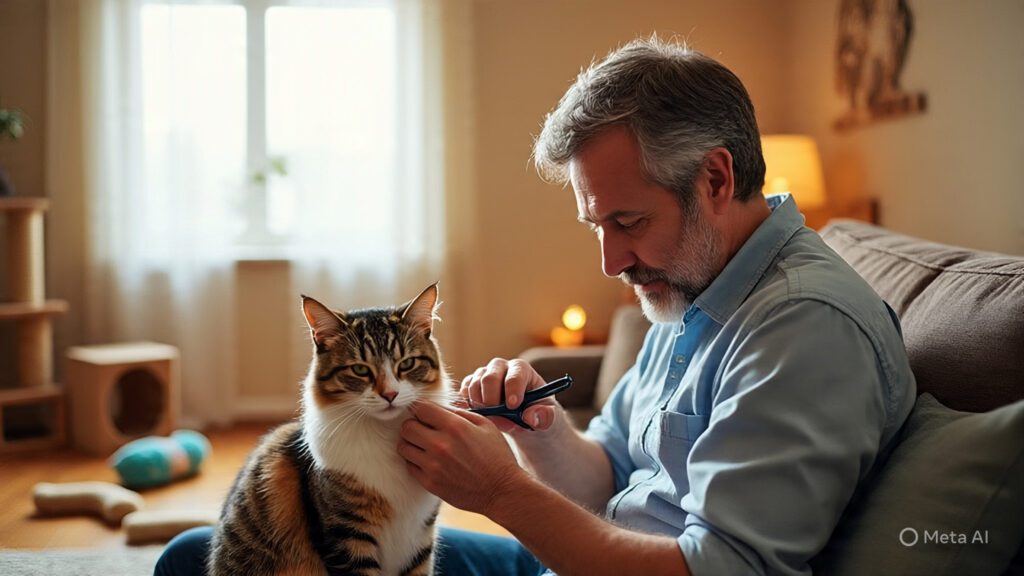
Cats have a built-in grooming system that’s so efficient, they can spend up to 50% of their waking hours licking themselves clean. It’s like having a personal spa day—every day! Just don’t be surprised if they suddenly decide you need a good cleaning too; it’s all part of their master plan to keep the household in tip-top shape.
“A cat is a puzzle for which there is no solution.” — Hazel Nicholson
Grooming might seem like just one more thing to do, but trust me, it has its benefits! Grooming Fluffy regularly not only keeps him looking fantastic, but it also gives you two time to bond.
Brushing your cat is particularly more important if she has long hair or is prone to matting (like Persian breeds). Those messy hair can rapidly evolve into little horror shows if you don't take care of them! Grooming also helps keep your home cleaner by decreasing shedding. Goodbye, fuzzy pants!
Once they get used to it, a lot of cats actually like being groomed. At first, you might believe your cat would rather not have anyone touch them, but trust me, a nice grooming session is quite calming! It acts like cats do in the wild, where they groom each other to bond and make friends. So, when you brush or comb Fluffy's fur, you're not only cleaning it up; you're also giving her a calming experience that strengthens those vital social ties.
Fun Feline Facts: Grooming Your Feline Friend
– Self-Cleaning Machines: Cats spend about 30% of their waking hours grooming themselves. If only we could achieve that level of cleanliness with a quick lick!
– The Purrfect Brush: Ever notice your cat purring while being groomed? That’s not just contentment; it’s also a way for them to say, “This is my spa day—keep it coming!”
– Hairball Houdinis: Despite all that grooming, cats can still produce hairballs. Think of them as nature's way of reminding you that your feline friend is part magician—always pulling surprises out of thin air!
Think about how cats act in the wild for a second. They come together and purr sweetly while licking each other's fur clean. This isn't just about cleanliness; it's a ritual of love and trust. When we groom our cats, we are basically taking on the role of caretaker and friend, creating a caring environment right in our own homes. It's like being in a secret club where only you and your cat can have these special times together!
I know what you're thinking: “But my cat hates getting brushed!” That could definitely happen! The most important thing is to groom slowly and gently. Let her smell the brush first so she knows it won't bite her (believe me, they can be very skeptical). Before you use any equipment, you might even try using your fingers first to get the feel of grooming. Once she gets used to the notion, you will probably notice that she starts to lean into the brush strokes instead of running away from them.
And let's not forget all the good things that come from grooming your pet on a regular basis! For one thing, it helps cut down on shedding, which means less fur tumbleweeds tumbling around on your floor. Also, it lets you look for any strange lumps or bumps on her skin that might need a vet's care. Who would have thought that cleaning your teeth could also be a health check? It's like getting good care while having fun at the same time!
Grooming requirements vary greatly depending on the breed of the pet. For instance, a Persian can become a daily requirement in order to avoid matting and tangles. Although most short-haired cats need less frequent grooming, they still benefit from occasional brushing sessions. Hence, by adopting the customized approach that suits Fluffy's coat type and preferences, you won't find grooming to be a tedious task, rather it will be like a pleasant bonding activity.
So, the following time you pick up that brush or comb, think of it as more than just giving Fluffy the fabulous look. It is also a chance for you two to have some quality time together! When you let her in your lap where she purrs and gently nudges you, don’t forget to say “I love you”. Nothing is comparable to being part of such a charming grooming time together. Surely, no one would want to miss out on being part of such a cute ritual, right?
Health Concerns Every Cat Owner Should Know
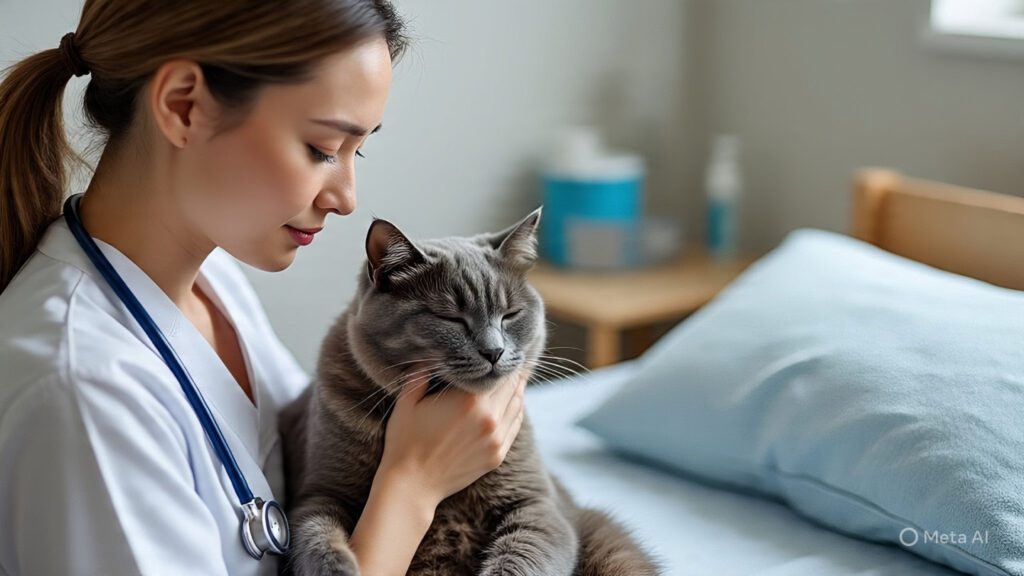
Cats can make over 100 different sounds, but when it comes to health concerns, they prefer to communicate through mysterious behaviors—like suddenly ignoring their food or staring at a wall for hours. It’s like they’re trying to keep you on your toes while secretly plotting world domination!
“In ancient times, cats were worshipped as gods; they have not forgotten this.” — Terry Pratchett
As loving pet owners, we want the best for our furry children, but health problems can happen when we least expect them. Did you know that dental disease is one of the most common diseases that cats have? It's really vital to keep an eye on those pearly whites!
Regular trips to the vet will help you find any problems before they get worse and cost a lot of money. Also, keeping an eye out for changes in behavior or appetite might help you find out early on if something is wrong.
And if you haven't already, don't forget to spay or neuter your dogs. This easy surgery is very important in helping to solve the problem of too many animals in shelters. Every year, millions of cute kittens and puppies are born, but sadly, not all of them get to live in a loving home. You may help solve the problem of too many unwanted animals ending up in shelters by spaying or neutering your pet. It's a way to help your pet have a happier and healthier life while simultaneously giving back to the community.
Fun Feline Facts: Health Concerns Every Cat Owner Should Know
– Feline Fitness Fanatics: Cats can jump up to six times their body length! So, if you think they’re just lounging around, remember—they might be training for the next Olympic high jump!
– Whisker Wisdom: A cat’s whiskers are not just for show; they help gauge whether they can fit through tight spaces. So when your kitty gets stuck in a box, it’s not a lack of judgment—it’s a whisker malfunction!
– Purrplexing Purrs: While cats often purr when they're happy, they also purr when they're sick or stressed. It’s like their version of saying, “I’m fine!” even when they really need a vet visit!
You might be curious in what happens throughout these operations now. In short, spaying is the surgery that takes out a female cat's ovaries and generally her uterus as well. Neutering is the surgery that takes out a male cat's testicles. These surgeries are very common and done by competent vets, so don't be scared. Most pets get better quickly—often faster than we can say “treat time!”
It's interesting that spaying and neutering have more benefits than merely keeping the number down. Spaying can stop females from going through heat cycles, which are times when they are very noisy and restless. It also lowers the likelihood of some health problems later in life, like uterine infections or breast tumors. Neutering can assist stop males from acting out in ways like marking territory or being hostile. After the process, you should notice that you are calmer. Who wouldn't want a cat that is more relaxed and not planning to take over the world?
Also, think of how much easier life is when you don't have to deal with surprise litters of kittens! Those little furballs might look pretty at first (and trust me, they are!), but taking care of them takes time, money, and affection that could be too much for you if you're not ready. Spaying or neutering your pet will keep them from adding to an unintended family tree full of little paws running about!
Also, many municipalities provide low-cost spay/neuter programs so that everyone can afford them. Let's face it: taking care of our furry friends shouldn't cost a lot! If money is an issue for you, look into local animal welfare groups; they typically have tools to help.
In the end, spaying or neutering isn't only about keeping the number of pets down; it's also about improving your pet's quality of life and making sure they do well in a loving household without the burden of bad behavior or health problems. As pet owners, this is a tiny step for us, but a big step toward making our pets' lives happy. Who doesn't want that? So, if you haven't made this choice yet, think about doing it today! Your furry buddy will show their thanks in their own personal manner, such by giving you more purrs or cuddles on the couch.
Creating a Safe Environment
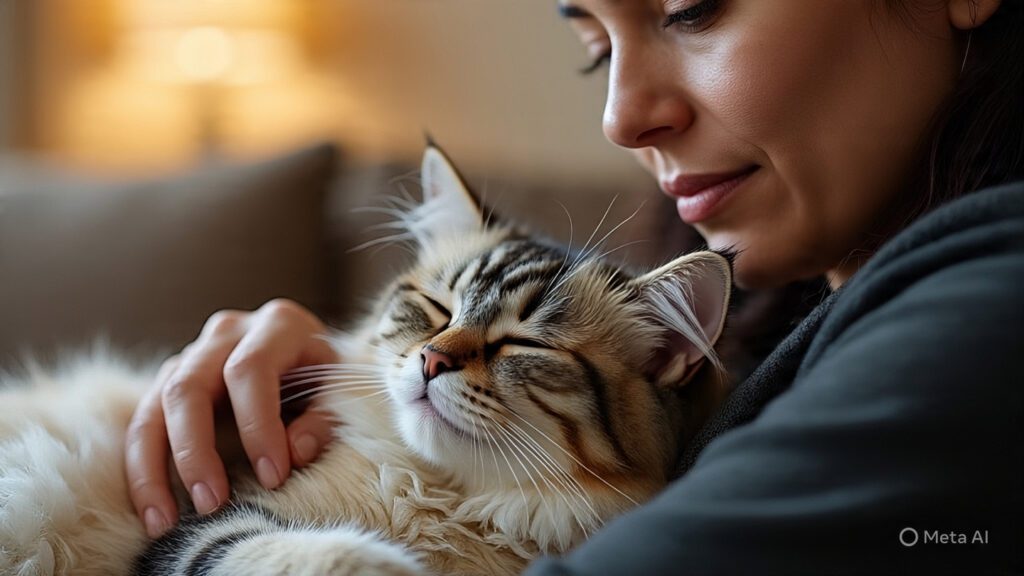
Cats can squeeze through openings as small as 5 inches wide, which means if you think your home is cat-proofed, think again! They’re like furry little ninjas, ready to explore any nook or cranny—even the ones you thought were off-limits!
“There are two means of refuge from the miseries of life: music and cats.” — Albert Schweitzer
After weighing all the alternatives, it is important that the environment you make be one where your cat is allowed to explore and climb. By offering them up high locations like shelves or cat trees, they not only get to look over their domain at a glance but also your furniture stays safe from being used as a scratching area!
Felines adore being up high as it gives them a sense of power and control (which they actually have). Perching spots can provide a cat with entertainment and mental stimulation for the whole day.
Fun Feline Facts: Creating a Safe Environment
– Stealthy Stalkers: Cats can make over 100 different sounds, but their favorite is the “I’m not on the counter” meow. It’s their secret code for when they’re plotting to knock something off!
– Curiosity Conundrum: Did you know that cats are more likely to explore dangerous areas if they think you’re watching? They believe it adds an element of thrill—like their own personal reality show!
– Boxed In: If you want to keep your cat safe and happy, just provide them with a box! Cats feel more secure in enclosed spaces, so next time they ignore that fancy bed, just remember—they're living their best life in cardboard luxury!
Don't forget to create some hideaway areas for Fluffy so that she can have a break from the world. A cute blanket fort or an empty cardboard box can be just the right thing! By having the options available, it will make her feel safe and secure in her own territory.
To sum up – and I really mean it, I am almost done with my speech – knowing the basics of cat care is a great source of joy both for you and Fluffy. Once you have got your care routines well planned out, starting from nutrition and playtime up to grooming, not only will you be creating a strong connection between you two, but the bond will also be one of love and happiness!
Suggested Resources
The Spruce Pets: https://www.thesprucepets.com
American Society for the Prevention of Cruelty to Animals: https://www.aspca.org
Catster Magazine: https://www.catster.com
International Cat Care: https://icatcare.org
Frequently Asked Questions
Why do cats need meat-based diets?
Cats are obligate carnivores, meaning they require meat-based protein and essential nutrients found in animal sources to stay healthy.
How many litter boxes should a household have?
A common guideline is one litter box per cat, plus one extra, to reduce conflict and encourage good bathroom habits.
Why is regular playtime so important for cats?
Daily interactive play helps maintain healthy weight, supports mental stimulation, and satisfies natural hunting instincts.
Is routine grooming necessary even for short-haired cats?
Yes, brushing helps reduce shedding, prevent mats, and provides bonding opportunities regardless of coat length.
Why are yearly vet visits recommended?
Annual vet exams help detect health problems early and ensure vaccinations, dental care, and preventive care remain up to date.
Does spaying or neutering improve long-term feline health?
Spaying and neutering helps reduce unwanted litters and also lowers risks of certain cancers, infections, and behavioral issues.
How can I make my home environment safer for my cat?
Provide climbing areas, quiet hiding spots, and secure potentially hazardous areas to support exploration and comfort.

Kevin Collier is a dedicated feline enthusiast and expert contributor at CatFAQ.com, where he shares his knowledge on cat health, training, and overall well-being. With years of experience caring for and studying cats, Kevin provides insightful tips and practical advice to help cat owners nurture and understand their pets better. His passion for enhancing the human-animal bond shines through in his articles, making them a valuable resource for anyone looking to improve their cat’s quality of life. Whether it’s training techniques or health care tips, Kevin aims to empower cat owners with the information they need to ensure their furry companions thrive.