
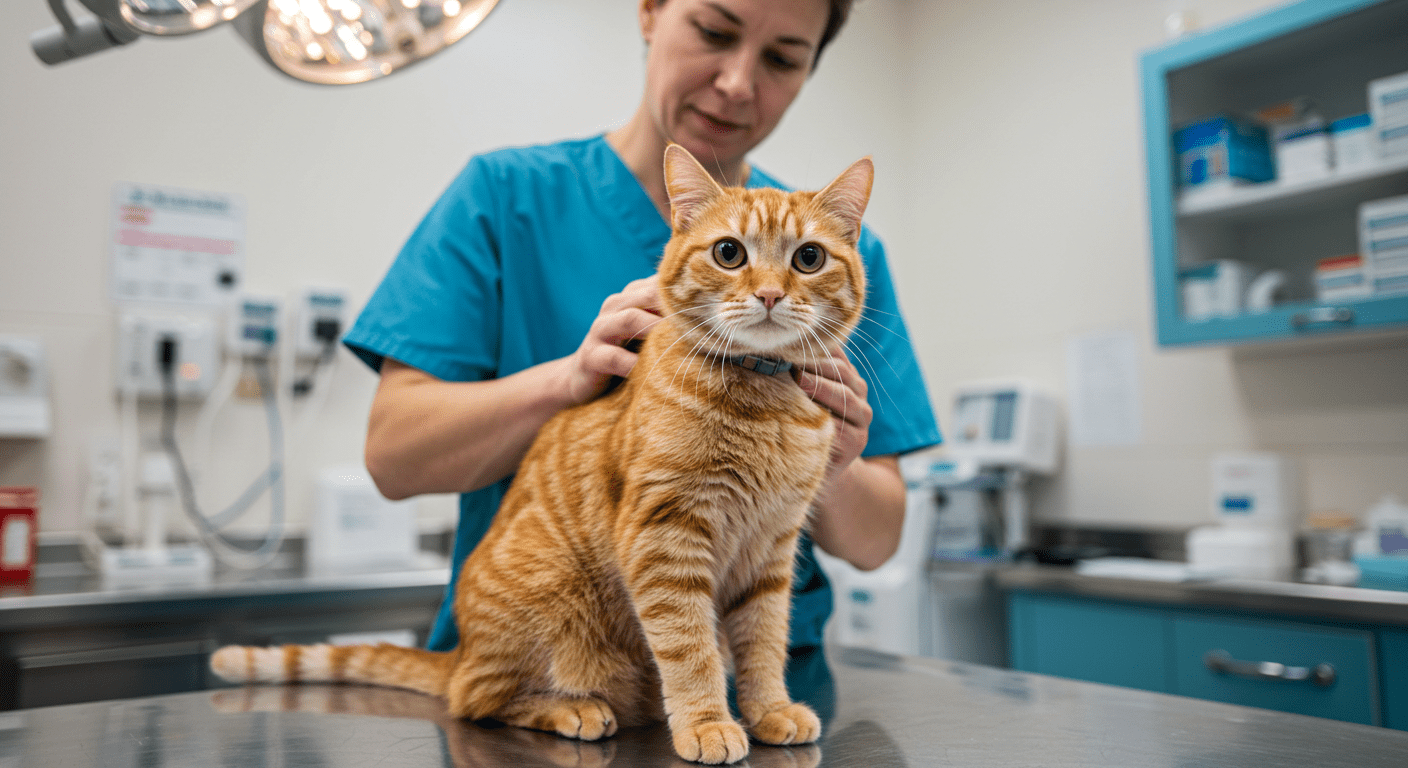
When it comes to our furry cat companions, ensuring their health is certainly a top priority. After all, who wouldn’t want their adorable kitty to thrive? From regular vet visits to proper nutrition to taking the right supplements, cat health generally covers a wide range of topics and at times, it can all feel a little overwhelming. For now, don't worry about that. Let’s dive into some essential areas of cat care that will keep your feline friends purring with joy.
Top Takeaways and Key Concepts
- Feed cats high-quality meat-based food; avoid fillers and overfeeding.
- Schedule regular vet visits for vaccines, dental care, and early detection.
- Keep cats hydrated with wet food and a clean water fountain.
- Encourage daily play and climbing to maintain strength and prevent boredom.
- Brush often and trim nails gently to improve coat health and bonding.
Summary:
This comprehensive guide covers the key pillars of cat health—nutrition, hydration, exercise, grooming, vet care, and mental well-being. It emphasizes feeding high-quality meat-based food while practicing portion control to prevent obesity and related illnesses. Regular veterinary checkups, including vaccinations and dental exams, are highlighted as essential for long-term wellness. Hydration is addressed through wet food and running water sources, which support kidney and urinary health. Daily physical activity through toys, climbing structures, and interactive play keeps cats agile and mentally engaged. Grooming is shown to reduce shedding, detect health issues early, and strengthen the human–cat bond. Finally, the text reminds readers that cats need emotional care too—routine, enrichment, and a stress-free environment all contribute to a happy, healthy feline life.
Video Summary
Jump to Content
Nutrition: The Foundation of Good Health
Please Note: This post may contain affiliate links. If you click one of them, we may receive a commission at no extra cost to you. As an Amazon Associate, I earn from qualifying purchases.


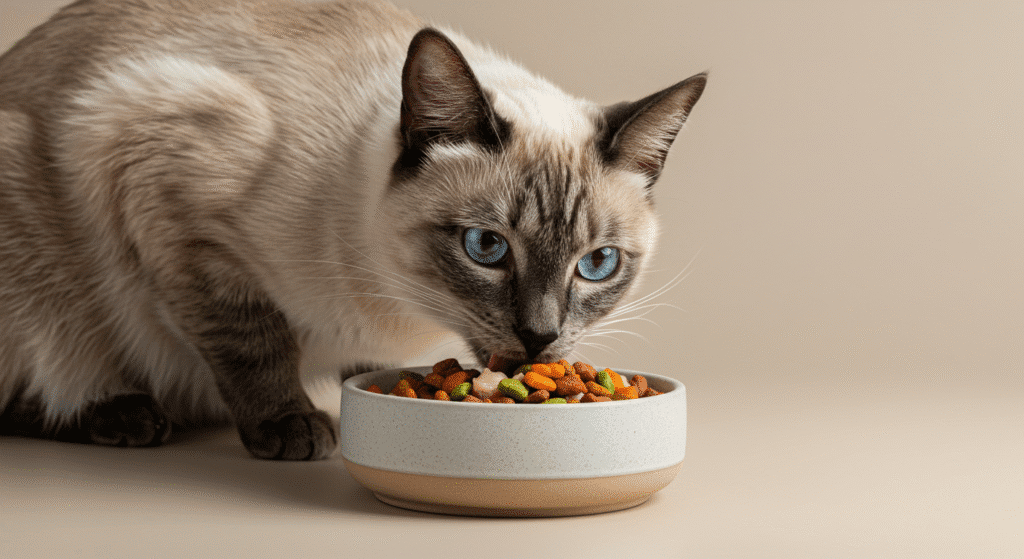
Cats have a unique way of showing their love for food; they often knead with their paws as if they're making dough! This behavior, called “kneading,” is a throwback to kittenhood when they would knead their mother’s belly to stimulate milk flow. So, when your cat is working on that invisible bakery, it’s not just hungry—it’s nostalgic!
“You can’t look at a sleeping cat and not dream.” — Charles Eames
What I am quite sure of is that all of us, the cats included, would agree that food is one of the biggest pleasures of life, wouldn’t they? Feeding your pet the right way would be a very important step in keeping the cat healthy throughout its life. The cat is a carnivore with a narrow feeding niche, thus, it must be supplied with meat. In fact, it’s like persuading a lion to eat lettuce; it just doesn’t work!
Cat food should be made of fresh meat, which should be the first ingredient of a high quality product. We want to stay away from those “meat by-products” that are labelled in a way that no one can understand. I mean, do you really have to know what “by-products” stand for? That’s right! Taking a grain-free and low-carb diet could also be a good idea, particularly if your cat tends to become overweight.
Fun Cat Facts About Nutrition
– Picky Eaters Unite! Cats have around 20 taste buds, compared to humans' 9,000. So when they turn their nose up at that gourmet cat food, they might just be channeling their inner foodie!
– The Snack Attack! Did you know cats can’t taste sweet things? This means they’re the ultimate dessert critics—no catnip-flavored cupcakes for them!
– Feline Foodies: A cat’s sense of smell is about 14 times stronger than a human's. So if you're snacking on something delicious, don't be surprised if your kitty suddenly becomes your shadow!
Portion control is very important for keeping our cats from getting too fat, which is an increasing concern. When those large, sad eyes gaze up at us like they haven't eaten in days, it's easy to forget how much we're really feeding our cats. But let's be honest: measuring out Fluffy's food instead of letting him eat as much as he wants can make a big difference in keeping him fit and trim.
It's important to know what your cat's healthy weight is. Depending on their age, breed, and degree of activity, each cat has varied needs. A decent rule of thumb is to ask your vet how many calories your cat should eat each day. This way, you'll have a clear goal instead of merely guessing and hoping for the best. After all, no one wants to play “guess that weight” with their furry companion!
Handy Amazon Shopping Directory for Cat Supplies
Cat Food - Cat Toys - Cat Health - Grooming - Carriers - Cat Beds - Apparel
Furniture - Cat Doors - Collars - Feeding/Watering - Flea/Tick Control - Treats
Now that you know how many calories are in it, it's time to get out the measuring cup! You might be thinking, “Measuring food?” Isn't that a little too much? But really, it's kind of nice to see just how much food goes into Fluffy's bowl. Also, you may relax knowing that you're doing the proper thing for her health.
Let's be honest: no one wants a fat cat rolling about like a fluffy bowling ball! Cats that are overweight aren't simply cute; they could also get diabetes or joint problems, which are very significant health problems. Think about trying to jump into your favorite sunny location, only to find out you have more fluff than muscle! It's not simply how things look; it's also how they affect your life.
Here's another fun tip: Puzzle feeders could be a good way to help you regulate your portions. These smart devices make your cat work for her food, which keeps her mind busy and controls how much she eats. Putting her food on an obstacle course is like that—who wouldn't like that? It keeps her busy and helps her not eat too much because she has to think about how to get those wonderful treats out.
Also, adhering to consistent feeding times can be instrumental in building up a daily structure for your feline friend. Routine works wonders for cats; if they have a timetable of when food will be served, then they will not feel the urge to beg you incessantly (and believe me, your sanity will be grateful!). Rather than giving them the liberty to eat at their will which is most of the time the cause of mindless snacking, you are setting up meal times that correspond to the right eating habits.
Thus, next time you are about to give in to those adorable little meows for “just one more treat,” think of portion control as not only a way of keeping your kitty looking great but also as a means of making sure that she lives a long and healthy life full of play and cozy cuddles! After all, we don’t want our cats to be lethargic furballs that sleep all day on the couch but rather happy little ninja that we can actually be around!
Regular Vet Check-Ups: A Must-Do
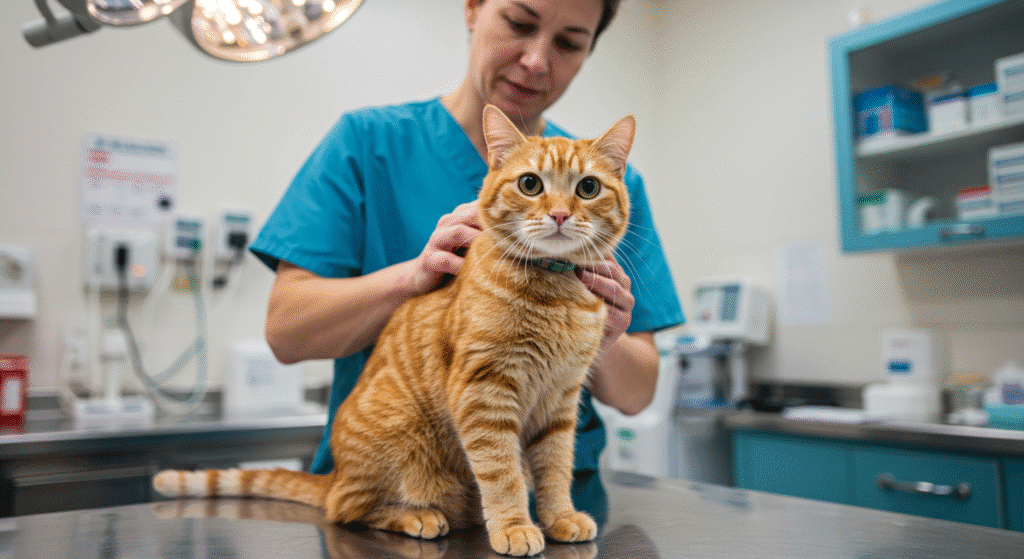
Cats are known for their aloofness, but they can actually sense when you're feeling down. They may respond by sitting on your lap or bringing you a “gift” (like a toy or even a bug) to cheer you up. So, while regular vet check-ups keep them healthy, those little presents are their way of saying, “I care—now let’s celebrate with some quality lap time!”
“I love cats because I enjoy my home; and little by little, they become its visible soul.” — Jean Cocteau
To be fair, a lot of pet owners don't like going to the vet because no one likes being poked and prodded. But it's important to take your cat to the vet for frequent checkups to keep an eye on their health. Kitties need regular checkups, just like we do, even when we want to binge-watch our favorite shows.
During these appointments, vets do important things like giving shots and checking your cat's teeth that are very important for keeping them healthy. You might think of going to the vet as simply another thing to do, but it's actually a great chance to make sure your cat stays healthy. Did you know that dental disease is one of the most common problems that cats have? Yes, it's true! By the time they are three years old, a lot of cats have some kind of dental problem. So it's really vital to take care of those beautiful whites!
Fun Cat Facts About Regular Vet Check-Ups
– Furry Time Travelers: Cats can sense changes in time! They may know when it’s vet day before you do, often acting like they’ve seen the future and it involves a carrier!
– The Purr-fect Disguise: Ever noticed how your cat suddenly becomes a master of stealth when it's time for their check-up? They can turn into ninjas, hiding in the most unexpected places—like inside your laundry basket!
– Whisker Wisdom: A cat's whiskers are about as wide as their body. So, when they're at the vet and seem to be squished into that tiny carrier, just remember—they're literally built for sneaking through tight spaces!
Let's take it apart a bit. Vaccinations help keep Fluffy safe from a number of diseases that can be very bad when you take her to the doctor. No one wants their cat to get sick when a simple vaccination may have stopped it from happening. Vaccines can protect her against bad infections like feline leukemia or rabies, which is something you don't want to deal with while trying to keep up with her naughty behavior.
Now, let's talk about those teeth! If you've ever seen your cat chewing on kibble and thought, “Wow, those teeth look a little rough,” you might be right. If you don't clean your teeth, plaque can turn into tartar and then gum disease. This isn't just about having fresh breath; bad oral health can cause pain and even damage other organs like the heart and kidneys over time. If we didn't brush our teeth every day, it would be very painful for us. The same goes for our furry friends!
Regular dental check-ups at the vet can help find problems early on, which is interesting. It's better to catch problems before they become worse since it saves time and money in the long run. No one wants to have to rush Fluffy to the vet because she has a tooth abscess after months of neglecting her dental care! Also, treating problems early usually implies fewer intrusive operations than waiting until things go extremely bad.
But here's the best part: there are a lot of things you can do at home to help your cat's teeth stay healthy between vet appointments! Brushing Fluffy's teeth may seem hard (and let's be honest, she probably won't like it at first), but there are special toothbrushes and toothpaste made particularly for cats that make it easier than ever. Giving her dental snacks or toys that brush her teeth as she plays can also help a lot.
And speaking of preventative care, going to the vet on a regular basis isn't only about getting immunizations and cleaning Fluffy's teeth. It's also a chance for the vet to check on Fluffy's overall health. They will check her weight, listen to her heart, and look at her coat to see how she is doing overall.
What if you decided not to take Fluffy to the vet saying she looks fine? Besides, this doesn’t only work with vaccinations but also with dental health monitoring; prevention becomes part of a longer life full of cuddles and play! Finally, who wouldn’t want their lovely cat staying with them for as long as possible?
Remember that you can still prevent an unplanned reproductive cycle by having your pet spayed or neutered!
Hydration: The Overlooked Necessity
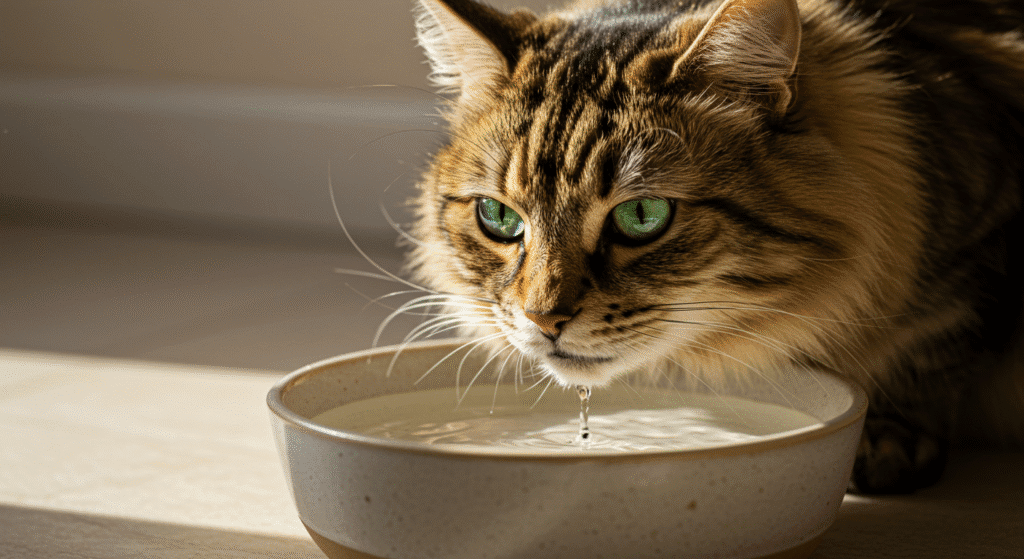
Cats have a unique way of hydrating themselves; they often prefer drinking running water over still water. This is because their ancestors lived in the wild and learned to avoid stagnant water, which can harbor bacteria. So, if your cat stares at the faucet like it's a magical fountain, they're just following their instincts—plus, who wouldn’t want to drink from a flowing stream instead of a boring bowl?
“Time spent with cats is never wasted.” — Sigmund Freud
When it comes to cat health, water is equally as important as food. Like little furry divas, a lot of cats would rather obtain moisture from their food than sip water straight from bowls. If you want your cat to drink more water, you might want to get a pet water fountain. Cats tend to be drawn to rushing water like moths to a flame.
These fountains have water that flows through them all the time, so it's like having a little waterfall in your living room! Also, drinking enough water can help keep Fluffy from having urinary tract problems, which are frequent in cats and no one likes to see Fluffy in that kind of pain.
Fun Cat Facts About Hydration
– Water Detectives: Cats have an uncanny ability to find the most obscure water sources in your home. Forget the bowl; they’ll choose the sink, bathtub, or even a half-full glass left on the table!
– Feline Fitness Test: Did you know that cats can be picky about their water? If it’s not fresh and flowing, they might just hold out until you turn on the tap—talk about hydration diva behavior!
– Paw-sitive Preferences: Some cats prefer drinking from running water because it tastes better! They think of themselves as gourmet chefs when it comes to hydration—only the finest “tap” will do!
And we can't forget about wet food! Adding canned food to your cat's diet can greatly increase her water intake and make mealtime more fun. It's like a fancy meal right in her bowl! Who knew that being healthy could taste so good?
If you've ever seen your cat eat a can of tuna (or any other wet food), you know they're almost drooling with delight. Cats are obligate carnivores, which means they need animal protein to stay healthy. Wet food has a lot of the minerals they require, and it usually has more protein than dry kibble. Also, the smell and feel of it make it impossible for cats to refuse. It's like cat heaven in a can!
One of the best things about wet food is that it helps keep you hydrated. Did you know that a lot of cats don't drink enough water? Instead of drinking from a bowl, they usually obtain most of their moisture from their meal. This is very important because being hydrated is good for your kidneys and your health in general. You're giving Fluffy an extra dose of hydration just by adding wet food to her meals! It's a lot easier than sneaking vegetables into kids' lunches.
Some cats, on the other hand, may be finicky about what they consume. If Fluffy doesn't like her dry kibble or looks bored with her usual food, giving her wet food can be the answer. You'll probably see how soon she goes from “meh” to “meow!” Also, mixing wet and dry meals can give her a fun sensory experience, like having both crunchy and creamy snacks at the same time.
But hold on, there's more! Your cat can also eat a range of foods with canned food. There are so many brands and varieties to choose from, like chicken, fish, and turkey, that you can make every meal unique. A varied diet helps her acquire all the vitamins and minerals she needs while also keeping her taste buds happy.
You might be wondering, “Isn't wet food messier than dry kibble?” Yes and no! It can be a little harder to clean up (hey, cat whiskers smeared in gravy!), but the benefits usually exceed those small problems. Just get a strong mat or feeding station for messy eaters, and you're good to go!
Moreover, since we are on the topic of kitties and their portion control and who among us wouldn't want our little felines to remain in tip-top shape? If you are planning to include wet food in Fluffy's diet, you must first know how many calories she should have from the wet food and from the dry food.
Almost all the manufacturers provide you with a guide depending on your cat's weight; if you follow their advice, you will not run the risk of overfeeding your cat and at the same time you will make sure that she gets everything that she needs.
So, don't hesitate to do it and make Fluffy's lunch more interesting with some tempting canned food! Vitamin intake as well as hydration will be elevated and you will be the one that turns this occasion into something extraordinary that both of you will look forward to every day. I mean, who wouldn't be thrilled to see their adorable kitty indulging in delicious food all while staying healthy? It's simply a win-win for everyone!
Exercise: Keep Those Paws Moving!
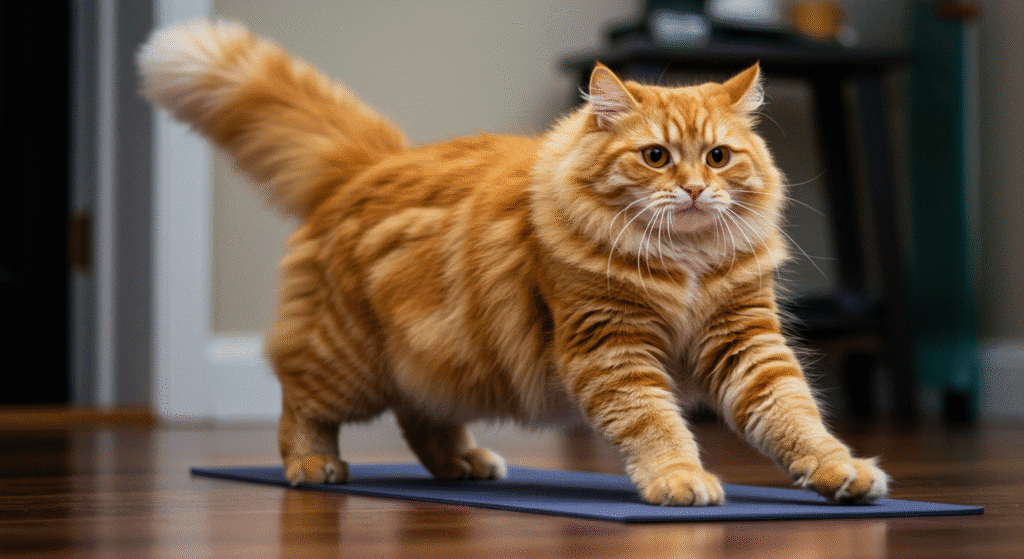
Cats can be surprisingly lazy, but they actually need about 30 minutes of exercise a day to stay healthy. To encourage them, try engaging their inner predator with toys that mimic the movements of prey. Just remember, if your cat suddenly starts acting like an Olympic sprinter at 3 AM, it’s not a training session—it’s just their version of “zoomies”!
“I have studied many philosophers and many cats. The wisdom of cats is infinitely superior.” — Hippolyte Taine
Let's talk about exercise now that we've talked about food and water. Every cat needs some fun playtime! Keeping your cat active keeps her healthy and cognitively sharp—think less of a couch potato and more of an agile acrobat!
For this reason, interactive toys are great. Feather wands and laser pointers can keep her busy for hours without costing a lot of money. Just don't shine the lasers directly in her eyes (really!). Puzzle feeders are like solving an appealing riddle at lunchtime since they provide her delectable goodies as she works on them.
Fun Cat Facts About Exercise
– The Great Indoor Olympics: Cats can leap up to six times their body length in a single bound! So, if your kitty is eyeing that high shelf, they might just be training for the feline version of the Olympics.
– Napping Champions: Did you know that cats spend about 70% of their lives sleeping? This means they only have about 30% of their time left for those intense five-minute exercise bursts—talk about efficiency!
– Chasing Shadows: Your cat might look like they’re just goofing off, but when they chase after shadows or pounce on imaginary prey, they're getting a serious workout. Who needs a gym when you've got an active imagination?
All things considered, it's just as crucial to make a place where climbing and exploring are welcome. Cats are good at climbing, and let's be honest: if they could, they would definitely leave a scratch or two (or three) on every piece of furniture in your house. You can provide your cat a place to climb by putting up shelves or cat trees. This will save them from clawing up your couch, which you adore!
Think about this: Fluffy sat high on her own cat tree, looking down on her realm like the royal cat she is. From there, she can see everything that happens below, like the vacuum cleaner moving in a strange way or the cunning dog next door doing something annoying. It makes her feel safe and in charge; after all, who wouldn't want to feel like the queen of the castle?
There are cat trees of different kinds and sizes, from tall, multi-level structures with nice places to hide to simple wall-mounted shelves that look great in your home. The best part? They aren't just for relaxing! Many cat trees already have scratching posts built in. This means that Fluffy can scratch as much as she wants without ripping up your favorite chair.
And while we're on the subject of climbing, did you know that vertical areas can actually help cats relax? Yes, it's true! Giving them those high perches lets them get away from possible dangers, like too excited kids or loud noises, when they need to relax. Having a safe place to go up high provides them piece of mind, like having their own castle against whatever is going on down below.
Climbing is not only entertaining, but it is also terrific workout! To keep healthy and fit, cats need to move about. When they play on their cat trees or shelves, they're extending their muscles and burning off energy. This is especially true when they're running after feather toys or laser pointers while climbing such heights. You could even giggle as you watch them jump from one shelf to another like hairy little acrobats!
You might be thinking, “But won't all these new things make my walls look cluttered?” To be fair, there are a lot of stylish choices that will go with your house decor instead of clashing with it. Some companies make lovely wooden shelves for cats that look like modern art. Who knew that feline furniture could also be used as home decor?
Also, when you set up these vertical spaces, think about where you put things. Put them near windows so Fluffy can watch birds fly by or soak up some sun on lazy afternoons. Cats like to be in the middle of things but still feel protected. Adding places for them to relax near windows makes their experience even better.
After all, developing an engaging atmosphere with a myriad of climbing and exploring activities is a win-win for you and your cat. It not only keeps Fluffy occupied (and away from trouble), but at the same time it gives her the opportunity to practice her natural skills which also acts as a preventive measure for the development of behavioral problems due to boredomafter all, we are all aware of the trouble-making nature of little kitties when left alone without any form of stimulation!
So, there is nothing stopping you from investing in some climbing-friendly pieces of furniture for your cat! Your furniture will be more than happy with your decision and so will Fluffy when she is allowed to be her inner mountain goat right at home without having to sacrifice the comfort of your home!
Grooming: More Than Just Looks
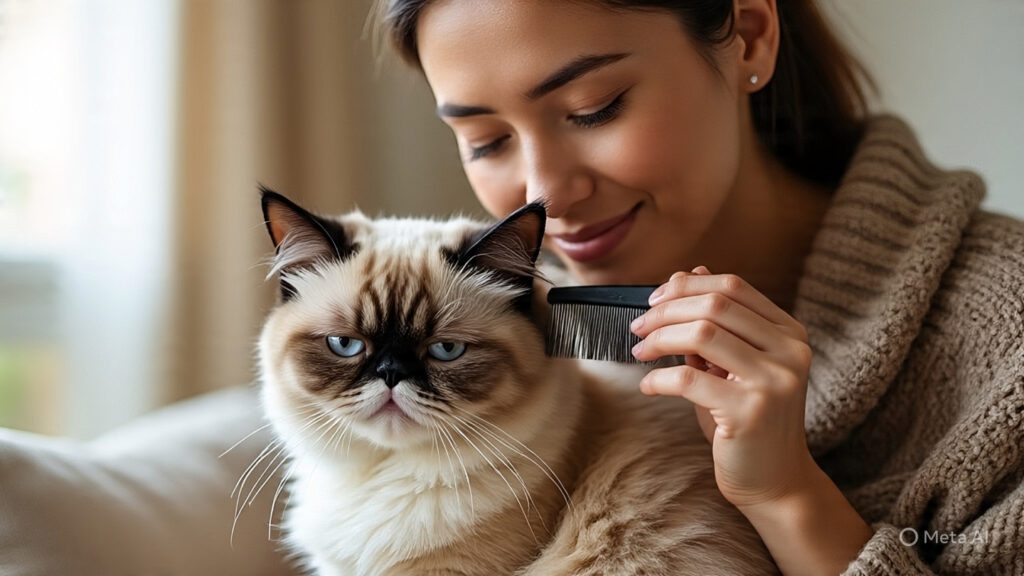
Cats can spend up to 50% of their waking hours grooming themselves, which is like a furry version of a spa day. However, if they’re not careful, they might accidentally groom away all their dignity—especially when they get caught in an awkward pose!
“What greater gift than the love of a cat?” — Charles Dickens
You might believe that grooming is only about looks, but there's a lot more to it than that! Brushing your pet's fur regularly helps keep their skin healthy by spreading natural oils throughout their coat and cutting down on shedding and hairballs.
Plus, grooming sessions can be great ways for you and Fluffy to get to know each other better. Who doesn't love some good cuddle time? Imagine this: You sit on the couch with a soft brush in your hand and your furry buddy purring happily in your lap. It's like a small spa day for her, and who wouldn't want to do that? Those times not only help her coat appear great, but they also make your relationship stronger.
Fun Cat Facts About Grooming
– Purr-fectly Clean: Cats spend up to 50% of their waking hours grooming themselves. It's like they have a full-time job as personal hygiene experts—no wonder they're so good at it!
– The Tongue of a Scrub Brush: A cat's tongue is covered in tiny, hook-like structures called papillae, making it the ultimate grooming tool. It’s nature’s very own toothbrush and comb rolled into one!
– Grooming for Bonding: When cats groom each other, it's not just about cleanliness; it's a sign of affection! So if your kitty is giving you a good lick, consider it their way of saying, “I love you!”
If Fluffy has long hair or is prone to matting (like Persian cats), frequent grooming is even more important. Let's be honest: if you don't take care of those beautiful locks, they may rapidly become a tangled disaster! When mats form in her fur, it looks a lot like trying to untangle a ball of yarn that a kitten has attacked. Brushing your hair regularly can help keep those annoying knots from appearing in the first place. Plus, it's a lot easier to keep up with than cleaning up after a huge fur disaster!
Grooming isn't only about looks; it's also good for your health! As you brush away the loose hairs, you should also look for any bumps or lumps that don't seem right and might need to see a vet. It's like giving her a little health check-up while also pampering her—what a great way to do two things at once! And don't forget about your nails! A simple trim while grooming might keep them from being too sharp.
Did you know that a lot of cats like to be groomed? It can help them relax and feel like their cat companions are grooming each other in the wild. So, if Fluffy starts purring louder than a lawnmower as you brush her, that means she loves every second of it! Just remember to take it gradually. If she seems unsure at first, give her time to become used to it. You might also give them some snacks or additional pets as a reward. After all, who doesn't want a little extra motivation?
Don't forget that grooming can also help keep your home clean by reducing shedding. We've all had that moment when we glance down and see that our black pants are covered with cat fur. It's like wearing a walking ad for “I Love Cats.” By combing Fluffy's coat on a regular basis, you can keep extra fur from getting on your clothes or furnishings.
There are so many fun grooming equipment out there, by the way! There is a grooming tool for every cat's needs, from slicker brushes made just for long-haired types to rubber gloves with nubs for gentle massaging while removing hair. It can make all the difference in the world to find the appropriate tool. You could have a great time or get frustrated with each other.
So why not make these grooming sessions into special events? Set up a specific time each week only for this and play some peaceful music (maybe something that doesn't have too many cat-related lyrics). Make a space where you and Fluffy can both relax and feel connected. This may become one of those rituals that you both look forward to!
Regular grooming for your pet not only works miracles in keeping Fluffy stylish; it is also a time for bonding and showing love. And on top of that, with all the goodies that come along with the grooming and going from the health check to the lessened shedding and you will actually be in shock why you haven’t made this indulgence into a habit before! So, pick up that brush and get the snuggle spree started!
Nail trimming is actually part of the grooming routine that people often forget about and even consider it the most difficult task of all. It is by no means easy and many times it would seem like the nail clippers are slipping out of your hand. Go slow and introduce treats during nail trimming to Fluffy so that he links the activity with a reward and thus a positive experience.
Mental Health Matters Too
Last but certainly not least—let’s chat about mental health because our furry friends experience emotions too! Stressful situations (like moving homes or introducing new pets) can affect their well-being just as much as physical ailments do.
Fun Cat Facts About Mental Health
– Pawsitive Vibes Only: Cats can actually help reduce stress and anxiety in their humans. Just petting a cat can release oxytocin, the “feel-good” hormone—turning you into a purring ball of happiness!
– Feline Therapy: Studies show that cats can sense human emotions. If you're feeling down, your kitty might just curl up next to you as their way of saying, “I’m here for you!” or “Let’s binge-watch some shows together!”
– The Ultimate Zen Masters: Cats practice mindfulness like pros! Their ability to nap anywhere at any time is an art form. They remind us that sometimes the best mental health strategy is simply to take a break and enjoy a good snooze.
Making a secure environment for them to be at ease is closely connected to giving them an assortment of stimulating activities such as puzzle toys or interactive games created especially for cats. Such activities not only engage their minds but also prevent them from doing boredom-related activities such as scratching furniture or excessive vocalization.
Besides, watch for signs of behavioral changes or appetite alterations as they could be indicative of hidden stressors that need to be taken care of to prevent them from becoming bigger problems!
Suggested Resources
Understanding Your Cat's Nutritional Needs
https://www.cattime.com/nutrition/understanding-your-cats-nutritional-needs
The Importance of Regular Veterinary Visits
https://www.avma.org/resources-tools/pet-owners/petcare/importance-regular-veterinary-visits
Hydration Tips for Cats
https://www.petmd.com/cat/nutrition/hydration-tips-cats
Frequently Asked Questions
What type of food is best for cats?
High-quality meat-based food is ideal since cats are obligate carnivores. Avoid fillers and overly processed by-products to support digestion, energy, and healthy weight.
How often should cats see the veterinarian?
A yearly wellness exam is recommended for healthy adult cats, while kittens and senior cats may need more frequent visits for vaccinations, dental checks, and early detection.
How can I help my cat stay hydrated?
Offering wet food and providing a clean water fountain encourages better hydration. Many cats prefer moving water over still water in bowls.
Why is exercise important for cats?
Daily play supports muscle tone, mental stimulation, and weight control. Toys, climbing spaces, and short interactive play sessions help meet these needs.
How often should I groom my cat?
Most cats benefit from brushing several times a week to reduce shedding, prevent mats, and support skin health. Long-haired breeds often need more frequent sessions.
Do cats really need nail trims?
Yes, trimming nails helps prevent overgrowth and accidental injury. Slow, gentle trimming with treats can make the experience less stressful.
Why is mental stimulation important for cats?
Enrichment reduces stress and prevents boredom behaviors like excessive meowing or scratching. Puzzle feeders, window watching, and interactive toys support emotional health.

Kevin Collier is a dedicated feline enthusiast and expert contributor at CatFAQ.com, where he shares his knowledge on cat health, training, and overall well-being. With years of experience caring for and studying cats, Kevin provides insightful tips and practical advice to help cat owners nurture and understand their pets better. His passion for enhancing the human-animal bond shines through in his articles, making them a valuable resource for anyone looking to improve their cat’s quality of life. Whether it’s training techniques or health care tips, Kevin aims to empower cat owners with the information they need to ensure their furry companions thrive.