
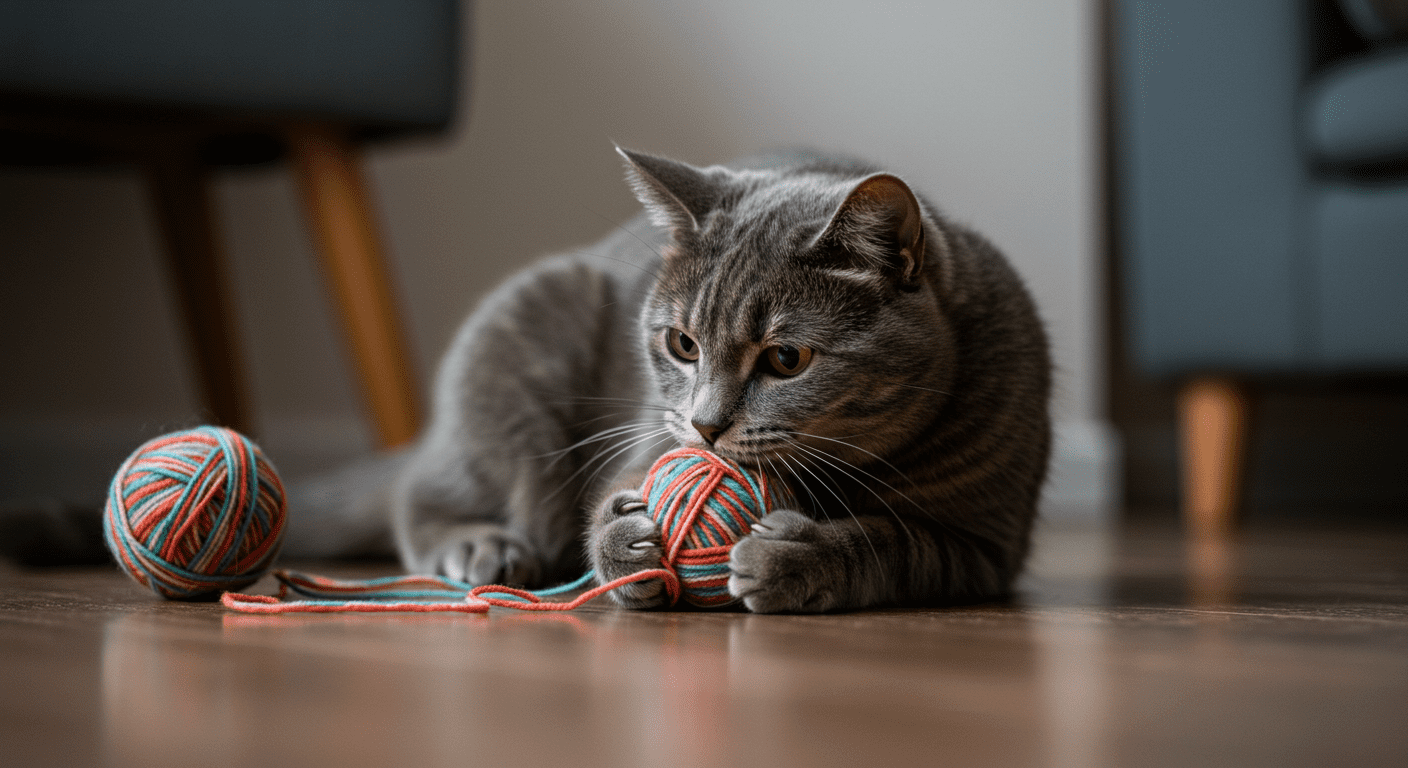
Cats are fascinating creatures, aren’t they? With their quirky behaviors and mysterious ways, it’s no wonder we have so many questions about them. Whether you’re a new cat parent or a seasoned feline aficionado, I’m here to answer some of the most common queries in our “Cat FAQ.” So grab your favorite snack (and maybe a cat treat or two) as we dive into the wonderful world of cats!
Top Takeaways and Key Concepts
- Establish consistent feeding routines and offer variety to satisfy cats’ preferences.
- Encourage play and hunting instincts with interactive toys and scheduled activity sessions.
- Provide scratching posts and vertical spaces to maintain claws, stretch muscles, and reduce stress.
- Prioritize high-quality protein and wet food to support health, hydration, and nutrition.
- Observe body language, vocalizations, and playful behavior to assess happiness and well-being.
Article Summary
This guide explores essential aspects of cat care and behavior for indoor and new cat owners. Cats thrive on routine, variety in food, and interactive play that engages their natural hunting instincts. Scratching is vital for claw health, muscle stretching, and marking territory, while vertical spaces like cat trees provide mental stimulation and security. Nutrition should focus on high-quality protein, moisture, and variety to support overall health. Finally, recognizing signs of happiness—relaxed posture, trills, and playful antics—helps owners ensure their feline companions remain content, healthy, and engaged.
Video Summary
Jump to Content
What Do Cats Really Want?
Please Note: This post may contain affiliate links. If you click one of them, we may receive a commission at no extra cost to you. As an Amazon Associate, I earn from qualifying purchases.


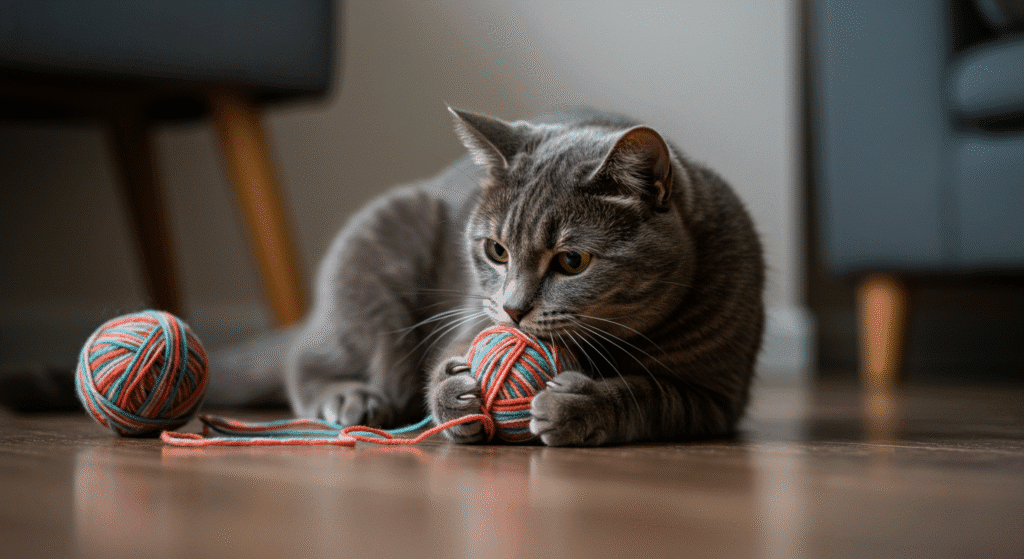
Have you ever looked at your cat and thought, “What on earth is going on in that furry head?” Honestly, I think every cat owner has been there. Cats can be incredibly expressive, but deciphering their wants can feel like trying to solve a Rubik's Cube blindfolded.
First off, let’s talk about food. You might think your kitty just wants dinner served promptly at 6 PM. But oh no! It’s much deeper than that. Many cats crave routine; they thrive on knowing when meal times are because it gives them a sense of security. However, they also love variety—just like us humans! So don’t be surprised if your feline friend gives you those big eyes while you're munching on pizza; she might just be hoping for a taste.
Then again, it's not all about food. Cats also seek affection and playtime, which is just as vital to their happiness as that gourmet kibble you serve them. Some days they’ll snuggle up next to you like an adorable little burrito, purring softly while basking in your warmth. It’s those moments when you can’t help but think, “This is pure bliss!” You might find yourself gently stroking their soft fur, feeling utterly content as they knead against you, making biscuits like a pro baker.
But hold onto your hats because other days, they'll act like tiny tornadoes zooming around the house chasing invisible prey! One minute they're curled up in a sunbeam; the next, they’re darting across the room at lightning speed. Honestly, it’s almost comical how quickly they can transform from serene cuddle bugs into wild hunters on a mission. I mean, have you ever seen a cat leap off a couch with such grace? They could give Olympic gymnasts a run for their money!
This behavior reflects their natural instincts as hunters—an inherited trait from their wild ancestors who had to be quick and agile to catch dinner (or avoid becoming dinner). When your kitty is dashing around after that elusive feather toy or pretending to stalk your shoelaces, she’s tapping into those primal skills that are still very much alive in her DNA. Isn’t it amazing how these little furballs can switch from cuddly to chaotic in seconds?
And let’s not forget about the sheer entertainment value of it all! Watching them engage in this playful frenzy can bring so much joy and laughter into our lives. You might find yourself chuckling as they tumble over themselves during an epic chase or get startled by their own reflection in a mirror—classic cat moments! So whether they're curled up beside you or racing through the house like miniature furry rockets, remember that both behaviors are equally important for keeping your feline friend happy and healthy. After all, what would life be without a bit of delightful chaos sprinkled in?
Why Do Cats Purr?

Ahh, the soothing sound of purring—like music to our ears! But why do cats purr? Is it purely for our enjoyment? To be fair, purring serves multiple purposes beyond making us feel warm and fuzzy inside.
When cats curl up next to us and start purring away, it often means they're feeling safe and content. Picture this: your kitty is cozied up with her favorite blanket after a long day of napping (which is basically her job). On the flip side, if you find her hiding under the couch during a thunderstorm while still purring softly—well folks, that’s another story! She may actually be trying to soothe herself amidst her anxiety.
Interestingly enough, research suggests that cats might even use purring as a healing mechanism. Isn’t that fascinating? Those soothing vibrations aren’t just adorable sounds; they may actually serve a purpose beyond mere contentment. When your cat curls up next to you and starts humming her little tune, it’s like she’s sending out a gentle message wrapped in vibrations that can promote healing in bones and tissues. How cool is that?
Handy Amazon Shopping Directory for Cat Supplies
Cat Food - Cat Toys - Cat Health - Grooming - Carriers - Cat Beds - Apparel
Furniture - Cat Doors - Collars - Feeding/Watering - Flea/Tick Control - Treats
Studies have shown that the frequency of a cat's purr typically ranges between 25 and 150 Hertz, which happens to be within the range known to stimulate tissue regeneration. That means every time your feline friend settles down for a cozy cuddle session, she could be engaging in some self-care magic! It makes you wonder if our furry companions are secretly little healers, using their purring prowess not only to comfort themselves but also to encourage recovery from any ailments they might face.
Imagine this: your cat is nestled beside you on the couch after a long day, purring away like an engine. While you're enjoying her company and petting her soft fur, she's possibly benefiting herself too! The act of purring releases endorphins—those feel-good hormones—helping alleviate pain or stress. So when she looks up at you with those big, soulful eyes while vibrating gently next to you, it could very well be her way of saying she feels safe and loved. It’s heartwarming to think that such a simple sound can hold so much power!
Moreover, this behavior also fosters bonding between humans and cats. I mean, who wouldn’t feel more connected when their kitty chooses to curl up beside them? It's as if they're sharing their healing energy with us too! So next time your cat starts her melodic serenade while snuggled up on the couch or sprawled across your lap, take a moment to appreciate the dual benefit of that sweet sound—it’s not just music for our ears; it’s nature's way of promoting wellness for both of you!
How Can I Tell If My Cat Is Happy?
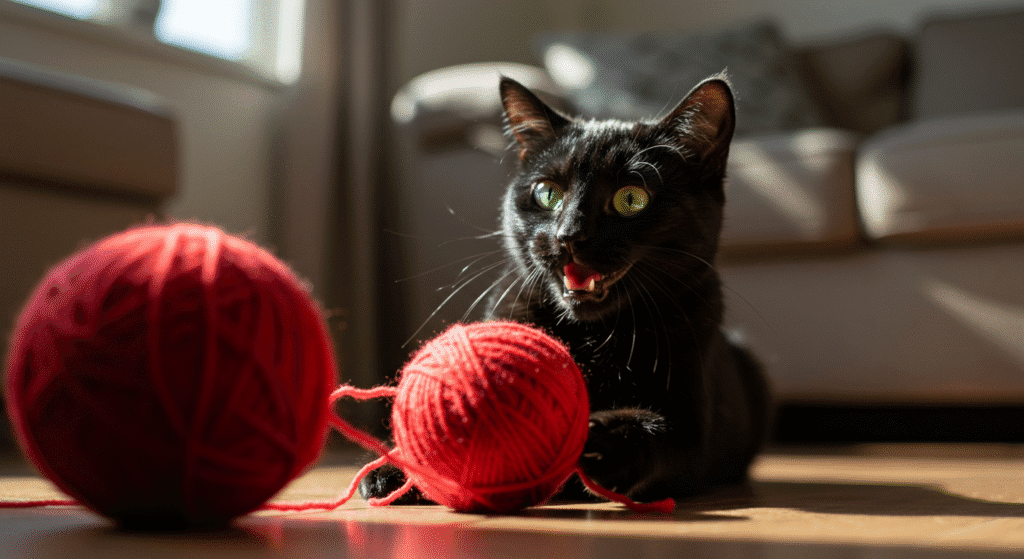
If only cats came with instruction manuals! Luckily for us—and our sanity—there are some signs that indicate whether our furry companions are feeling happy or not.
One surefire sign is body language. A relaxed posture—think stretched-out limbs and an upright tail—is usually a good indicator that your cat is in high spirits. On the other hand, if she’s crouched low with flattened ears… well then again—you might want to give her some space!
Another clue to cat happiness lies in vocalizations. You might be surprised to learn that a happy cat tends to express herself with delightful chirps and trills instead of the typical meows. It’s almost as if they’re trying out for a role in an adorable feline musical rather than auditioning for “American Idol.” Those sweet sounds are like little bursts of joy, signaling that your kitty is feeling good about her world. It’s kind of endearing when you think about it—like she’s singing her own personal soundtrack of contentment.
Now, let’s not overlook the playful antics that often accompany these joyful noises. If your furry friend suddenly decides that 2 AM is prime time for a full-on sprint across the living room floor, you can bet she’s having the time of her life! I mean, who doesn’t love a spontaneous game of chase with invisible prey at such an ungodly hour? These “zoomies” are more than just random bursts of energy; they’re clear indicators that your kitty is enjoying life to the fullest! Honestly, it can be quite entertaining (and slightly chaotic) watching them dart around like tiny tornadoes, leaping over furniture and skidding around corners.
When cats engage in this kind of exuberant playfulness, it reflects their natural instincts as hunters. In the wild, they’d spend their days stalking and pouncing on unsuspecting critters. So when your indoor cat brings you her favorite toy or showcases her hunting prowess by “catching” imaginary mice, she's tapping into those deep-seated instincts while also sharing her joy with you. It’s like she’s saying, “Look what I found! Let’s have some fun together!”
Plus, bringing toys to their humans is often a sign of affection too. It shows that your kitty trusts you enough to share her prized possessions—how sweet is that? So next time your little diva chirps happily or zooms past you at lightning speed with a feather toy dangling from her mouth, take a moment to appreciate those signs of joy and connection. They remind us how much our furry companions thrive on play and interaction, making every day with them feel like an adventure filled with laughter and love!
Why Does My Cat Scratch Furniture?
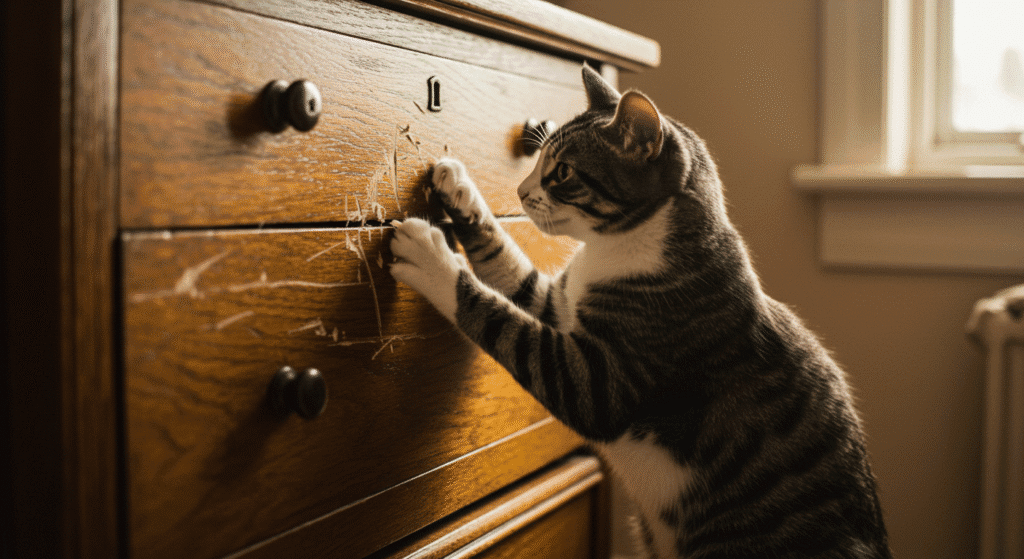
Let’s face it: scratching furniture is practically an Olympic sport for many felines. If you've ever come home to find your brand-new sofa looking like Swiss cheese after just one week with Mr. Whiskers around, you’re probably asking yourself why this happens.
Scratching serves several purposes for our furry friends. First off, it's essential for keeping their claws healthy and sharp—it’s nature's manicure! Additionally, scratching helps mark territory since cats have scent glands located in their paws; so when they scratch something up fiercely—it’s kind of like leaving behind their business card saying “This area belongs to me!”
But here's where things get tricky: sometimes cats scratch not just for the joy of it, but also out of boredom or stress! Yes, you heard that right. If Mr. Whiskers has suddenly taken a liking to your couch cushions and seems determined to turn them into his personal scratching post, it might be time to take a closer look at what’s going on in his little feline world. Cats are curious creatures by nature, and when they’re feeling restless or anxious, their instincts kick in, leading them to engage in behaviors like scratching.
Imagine being cooped up all day without anything exciting to do—sounds pretty boring, right? For our furry friends, this can lead to some serious mischief. Scratching is a way for cats to express themselves; it helps them stretch their muscles and keep their claws sharp. But if they don’t have enough stimulation or mental engagement, they might resort to “remodeling” your furniture instead! So if you find Mr. Whiskers obsessively clawing at the sofa as if he’s auditioning for “Extreme Home Makeover,” it could be a sign that he’s seeking something more fulfilling in his daily routine.
To help alleviate this scratching dilemma, consider introducing some fun toys or interactive playtime into his life. Think about those feather wands that make him leap with excitement or puzzle toys that challenge his mind—these can work wonders! Engaging with him through play not only provides an outlet for his energy but also strengthens the bond between you two. Honestly, nothing beats watching your kitty pounce and chase after a toy mouse like he's just caught the biggest prey of his life!
Additionally, creating an enriching environment can significantly reduce stress-related scratching behavior. Cats love vertical spaces; providing cat trees or shelves gives them places to climb and survey their territory from above—like tiny kings surveying their kingdom! Moreover, incorporating cozy hiding spots or perches near windows allows them to observe the outside world safely while keeping their minds engaged.
So next time you catch Mr. Whiskers going full demolition mode on your couch cushions, remember—it might not just be about asserting dominance over fabric; he could be signaling that he needs more stimulation and engagement in his life. By being proactive and attentive to his needs, you can transform those destructive tendencies into playful adventures filled with joy—and save your furniture in the process!
What Should I Feed My Cat?

Food choices for cats can feel overwhelming given all those fancy brands lining supermarket shelves nowadays! As someone who has tried various options over the years (some successes mixed with hilarious failures), I’ve learned what works best through trial-and-error.
To start off strong: high-quality protein should always be at the top of any cat's menu list since they’re obligate carnivores—that means meat must make up most of their diet! Cats have evolved over thousands of years to thrive on a diet rich in animal proteins, and their bodies are designed to digest and utilize these nutrients efficiently. Think about it—when you look at a cat, you’re looking at a tiny predator with sharp claws and even sharper instincts! So, it only makes sense that their meals should reflect that nature.
When selecting cat food, it's essential to scrutinize the ingredient list carefully. Look for foods containing real meat as one of the first ingredients rather than vague terms like “meat by-products.” What does “meat by-products” even mean? It could include anything from organs to scraps that we wouldn’t typically consider fit for human consumption. Instead, seek out brands that proudly display specific sources of protein, such as chicken, turkey, or fish right at the top of the ingredient list. This not only ensures your feline friend is getting the nutrition she needs but also makes mealtime much more enjoyable for her!
Interestingly enough, not all proteins are created equal. While some might think that just any kind of meat will do, cats require certain amino acids found primarily in animal tissues—like taurine—to maintain good health. Taurine plays an essential role in heart function, vision health, and overall well-being. If your cat isn’t getting enough quality protein in her diet, she could face serious health issues down the line. So why take chances when you can provide her with delicious meals packed with everything she needs?
Moreover, remember that variety is the spice of life—even for our furry companions! While high-quality protein should be the cornerstone of her diet, incorporating different types can keep things interesting and ensure she's receiving a broad spectrum of nutrients. Rotate between different flavors or protein sources every now and then; this not only caters to her taste buds but also helps prevent dietary deficiencies.
Lastly, don’t forget about how crucial moisture is in your kitty’s diet! Cats naturally have a low thirst drive because they evolved from desert-dwelling ancestors who got most of their hydration from prey. Incorporating wet food into her meals can help meet her hydration needs while providing additional protein content. Plus, let’s be honest—watching her dive into a bowl of savory wet food is pure entertainment!
In conclusion, prioritizing high-quality protein in your cat’s diet isn’t just beneficial—it’s vital for her overall health and happiness. By choosing foods made with real meat as primary ingredients and ensuring she gets plenty of variety (and moisture!), you’ll be setting up Mr. Whiskers for a long and healthy life filled with purrs and playful antics!
Additionally—and honestly—I’ve found my kitties love variety too! Mixing wet food into dry kibble keeps meals exciting while ensuring proper hydration levels since many felines don’t drink enough water otherwise (seriously!). Just remember: moderation is key; treats are great but shouldn’t replace balanced nutrition!
How Can I Keep My Indoor Cat Entertained?
Indoor life can sometimes feel monotonous for our curious kitties who'd love nothing more than exploring outside adventures—but fear not! There are plenty of ways we can keep them entertained right within our homes!
Toys come first—the more diverse options available (feather wands vs laser pointers), the better chance you'll discover which ones spark joy for your specific fluffball(s). Rotating toys regularly keeps things fresh too; what was once fascinating may suddenly seem boring after repeated exposure!
Creating vertical spaces such as shelves or cat trees allows cats opportunities to climb high above ground level—a perfect perch from which they can survey their kingdom below (and plot future takeovers). Picture this: your feline friend, perched majestically on a shelf like a furry little monarch, gazing down at you with an expression that says, “I see everything.” It’s not just a cute scene; it taps into their natural instincts and behaviors.
Cats are inherently curious creatures, and in the wild, they would often climb trees to gain a better vantage point for spotting prey or potential threats. By providing them with vertical spaces in your home, you’re giving them a chance to express those instincts safely. Think about how much fun it is for them to leap up onto a high shelf or explore the nooks of a cat tree! It’s like setting up an amusement park designed specifically for your kitty's enjoyment.
Moreover, these elevated spots offer more than just entertainment; they can also be vital for your cat's mental health. When cats feel secure in their environment, they tend to be happier and less stressed. A cozy nook high off the ground can serve as a sanctuary where they can retreat when feeling overwhelmed by daily life—like when the vacuum cleaner comes out or when that overly enthusiastic dog next door starts barking. Cats love having options for safe retreats where they can observe without being disturbed.
Speaking of comfort, let’s not forget about how important those heights are for playtime! Imagine watching your cat engage in spontaneous zoomies up and down her favorite climbing structure. She leaps from one shelf to another like an acrobat at the circus while chasing after imaginary prey (or maybe just a feather toy you tossed her way). These activities keep her physically active and mentally stimulated—two essential ingredients for a happy kitty!
To make things even better, consider adding some cozy blankets or soft cushions on those high perches. Cats love snuggling up in warm spots after they've finished their royal surveying duties. You might find them curled up snoozing away in their lofty lairs, dreaming of grand adventures—or perhaps plotting how to get more treats from you!
Now, if you're thinking about incorporating some vertical spaces into your home but aren’t sure where to start, don’t worry! Cat trees come in all shapes and sizes—from towering multi-level structures with scratching posts galore to sleek wall-mounted shelves that blend seamlessly with your decor. You can even DIY some wooden shelves yourself if you're feeling crafty! Just ensure they're sturdy enough to support your furry friend during her daring escapades.
In summary, creating vertical spaces isn’t just about aesthetics; it's about enriching your cat’s life and catering to her instinctual needs. By allowing her the freedom to climb high above ground level and providing cozy retreats along the way, you’ll be nurturing her adventurous spirit while keeping her safe and happy—all while enjoying those adorable moments of feline royalty unfolding right before your eyes!
Also worth mentioning: interactive puzzle feeders engage both mind & body while providing yummy rewards throughout playtime sessions together—who doesn’t want snack time combined with mental challenges?!
So, whether through imaginative toys or clever climbing spots—we can create stimulating environments where indoor kitties flourish happily without ever needing outdoor escapades!
Suggested Resources
The Complete Guide to Cat Care
https://www.cats.org.uk/help-and-advice/cat-care-guide
Understanding Your Cat's Behavior
https://www.humanesociety.org/resources/understanding-your-cats-behavior
Feeding Your Cat: A Guide
https://www.aspca.org/pet-care/cat-care/general-cat-care/feeding-your-cat-guide
Frequently Asked Questions
Why do cats enjoy routine with their meals?
Cats feel secure when meals are served consistently, and predictable feeding times support healthy eating behavior and reduce stress.
Why is playtime so important for cats?
Interactive play taps into natural hunting instincts and provides needed mental and physical stimulation.
Why should scratching posts be provided?
Scratching supports claw health, muscle stretching, and allows cats to mark territory through scent glands in their paws.
Why is high-quality protein important in a cat’s diet?
Cats are obligate carnivores, so real meat provides essential amino acids like taurine for heart, vision, and overall health.
Why is wet food useful for cats?
Wet food adds moisture to a cat’s diet, helping support hydration for cats that may not drink enough water on their own.
How can vertical spaces help keep indoor cats entertained?
Vertical climbing areas provide safe vantage points, reduce boredom, and satisfy natural climbing and territory-observing instincts.
How can I tell if my cat is happy?
Relaxed posture, upright tail, chirps, trills, and playful zooming are all positive indicators of feline happiness.

Kevin Collier is a dedicated feline enthusiast and expert contributor at CatFAQ.com, where he shares his knowledge on cat health, training, and overall well-being. With years of experience caring for and studying cats, Kevin provides insightful tips and practical advice to help cat owners nurture and understand their pets better. His passion for enhancing the human-animal bond shines through in his articles, making them a valuable resource for anyone looking to improve their cat’s quality of life. Whether it’s training techniques or health care tips, Kevin aims to empower cat owners with the information they need to ensure their furry companions thrive.