Are cats not fascinating creatures? Cats, with their eccentric behaviors and unknown characters, very often confuse us with wonder and amazement. If you have been a cat owner for a long time or you are only just now thinking of having one, you must be asking yourself a million questions. So why not unravel some of the most frequently asked questions about cats!
Top Takeaways and Key Concepts
- Learn your cat’s meows: short for “hello,” long for annoyance, trills for happiness.
- Provide scratching posts to maintain claws, stretch muscles, and mark territory.
- Use toys, puzzle feeders, and climbing spaces to stimulate mental and physical activity.
- Feed high-quality meat-based food in measured portions and establish regular meal times.
- Accept gift-giving behavior as a bonding instinct, not a nuisance.
Article Summary
This guide explains common cat behaviors and how to respond effectively as a cat owner. Cats communicate with humans through varied meows, each indicating different needs or emotions, while scratching serves to maintain claws, stretch muscles, and mark territory. Playtime and enrichment, including interactive toys, puzzle feeders, and climbing structures, are essential for mental and physical stimulation. Nutrition should focus on high-quality meat-based diets, controlled portions, and consistent feeding schedules to maintain health and energy. Finally, behaviors like gift-giving are instinctual and signify trust, reinforcing the importance of understanding and bonding with your feline companion.
Video Summary
Jump to Content
What Do Those Meows Really Mean?
Please Note: This post may contain affiliate links. If you click one of them, we may receive a commission at no extra cost to you. As an Amazon Associate, I earn from qualifying purchases.


Did you know that your cat seems to have a whole language of meows? To be honest, it seems like they're auditioning for a part in a soap opera! When you walk in, some cats could greet you with a charming little chirp, while others sound like they're trying to make the world a better place. So what gives?
It's interesting that cats make varied sounds to show how they feel. A quick “meow” could imply “Hey there!” A longer one could mean “I'm annoyed,” which is like their version of rolling their eyes. On the other hand, if your cat is making a cheerful trill or purr, she is probably happy and content. It's like having your own translator!
If you've ever wondered why your cat only talks to you when she wants food (the nerve! ), you're not the only one. It's as if they have a secret code that we can't figure out! Cats are quite interesting communicators, and it turns out that they often make up sounds particularly for their people. Isn't it funny how our cute overlords trick us?
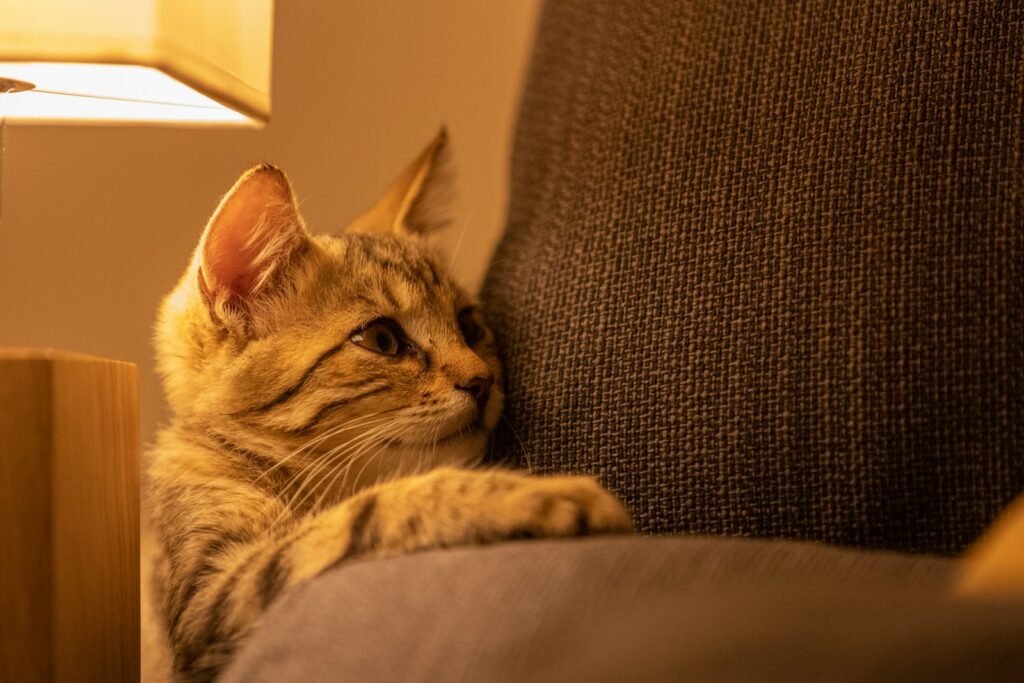
Picture this: you're relaxing on the couch and enjoying some quiet time when your cat walks in, stares at you, and starts meowing louder and louder. You can feel like a waiter at a nice restaurant accepting an order from a customer who is exceedingly choosy at that moment. The first meow is courteous and says, “Excuse me?” The second one is more forceful: “Hey!” I'm talking to you! And what about the third or fourth? It sounds more like “I need food right now!”
It's interesting that studies have shown that cats change the way they talk to catch our attention. They figure out which sounds get the best reactions from us, almost if they're doing their own little experiments! For example, a lot of cats use higher-pitched sounds when they want something, like food or love, because those sounds tend to make others want to take care of them. So yeah, we may believe we're training them with toys and treats, but they're really training us to give them tasty goodies!
But here's where things become even more interesting: after cats become adults, they don't usually meow at each other. They just use this cute talk with us instead! So, when your cat looks up at you with those huge eyes and meows a sweet request for dinner, realize that she understands just how to get to you and isn't scared to do it.
And let's be honest: who can say no to those cute little faces? In the big picture, it's not so horrible that our animal pals can control us. Any time we hurry over with kibble in hand after hearing that unmistakable cry for dinner, we're also giving them love and attention. It's a win-win situation!
Why Does My Cat Scratch Everything?
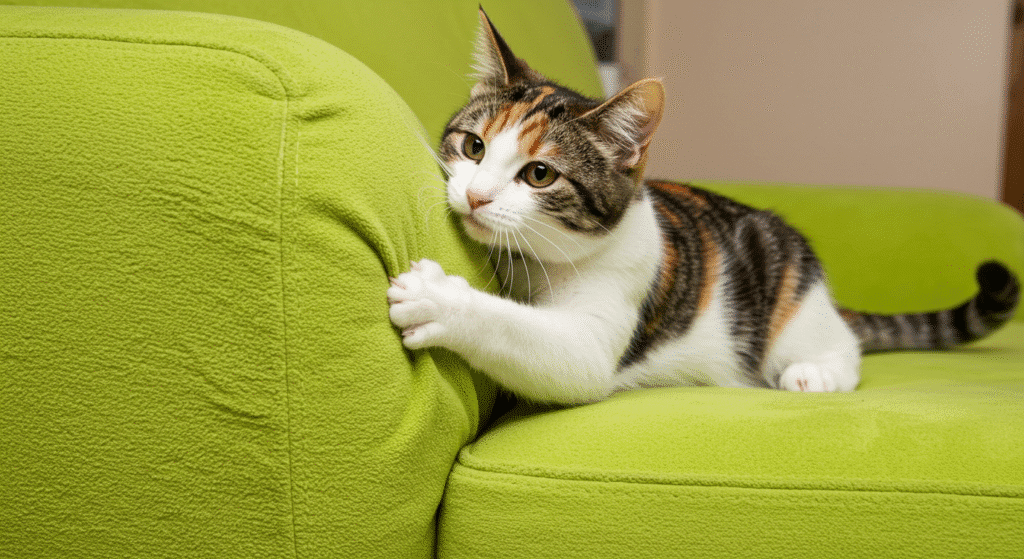
Now let's talk about scratching, which can make even the most patient cat lover into a furniture defender who is angry. Don't worry if Mr. Whiskers has decided that your couch is his own scratching post. It's common for cats to scratch; it's just part of who they are.
Handy Amazon Shopping Directory for Cat Supplies
Cat Food - Cat Toys - Cat Health - Grooming - Carriers - Cat Beds - Apparel
Furniture - Cat Doors - Collars - Feeding/Watering - Flea/Tick Control - Treats
To be fair, scratching does more than merely annoy people. Cats seem to have their own gym membership, and they use it to the fullest! First of all, when your cat scratches the couch or the scratching post, she's not just trying to drive you crazy. In fact, this practice helps her keep her claws healthy and sharp, like nature's way of giving them free manicures! If we could sharpen our nails just by scratching a tree, I bet I'd go to the nearest oak tree every day!
But there's more to the story than just taking care of your claws. Cats also scratch to keep their muscles flexible and stretch them out. You know how you might stretch after a long day at work? For our furry friends, stretching their legs and paws while they scratch is important for staying fit and quick. Remember that Mr. Whiskers is just trying to remain in shape when he believes that your favorite chair is the perfect place to work out.
It's interesting that scratching also lets cats mark their territory. When they scratch anything, their paws have smell glands that emit pheromones. Every scratch is like leaving an invisible message that says, “This is my space!” It's like putting up a “No Trespassing” sign without having to do anything—how smart is that? This means that when your cat scratches the sofa or the carpet, she's not only marking her territory; she's also talking to other animals in the neighborhood.
And here's where it gets even more interesting: cats get distinct kinds of sensory feedback from different kinds of surfaces. Some people like the rough feel of sisal rope on a scratching post, while others might like the soft feel of wood or carpet. They are satisfying both their physical and mental requirements by scratching different materials.
Yes, it might be annoying when your cat decides to change up your new couch (why does it always happen immediately after you've redecorated?), but knowing why they do it can help us come up with better ways to deal with it. If you put scratching posts or pads in certain places around your house, your furniture won't have to suffer as a result of your cat's fitness routine. Plus, seeing them do this instinctual thing may be very funny. It turns out that our little furballs are not only cute, but they are also very good at taking care of themselves!
So, how do you change this behavior without going crazy? Giving your cat specific scratching posts might make a big difference! You should get something strong and attractive, and you could even want to sprinkle some catnip on it. This way, Mr. Whiskers may act like a lumberjack without hurting your couch.
How Can I Keep My Cat Entertained?
Cats are natural predators, so even if Fluffy spends most of her day reclining on the windowsill watching birds go by (the typical cat life), she still needs stimulation and activity! When you're bored, you can do all sorts of things, like knock over houseplants or transform into a nocturnal zooming machine.
To be honest, it doesn't have to be hard or expensive to keep your cat happy. You don't have to have a PhD in cat psychology to know what makes your cat happy. The simplest toys can sometimes make you the happiest. For instance, feather wands. These cute little gadgets are like magic wands for cats. Just wave them about, and your cat will jump into action like she's trying out for the Olympic gymnastics team! The excitement of pursuing that fluttering feather brings out her innate hunting instincts, which makes playing not only exciting but also good for her health.
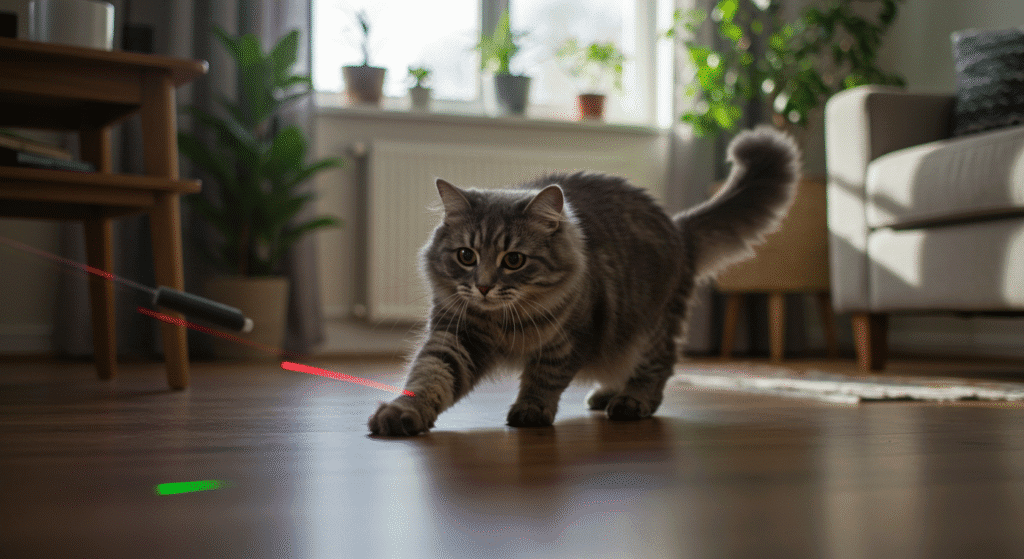
And we can't forget about laser pointers! They can keep you entertained and active for hours. Just remember not to point the lasers straight at her eyes (safety first!). It's funny and wonderful to see your cat run around attempting to catch that red dot. It's like she's on a crazy treasure hunt, but when she gets there, the treasure is… nothing! I suppose we can all identify to the sense of chasing something we never quite catch; it's part of the pleasure!
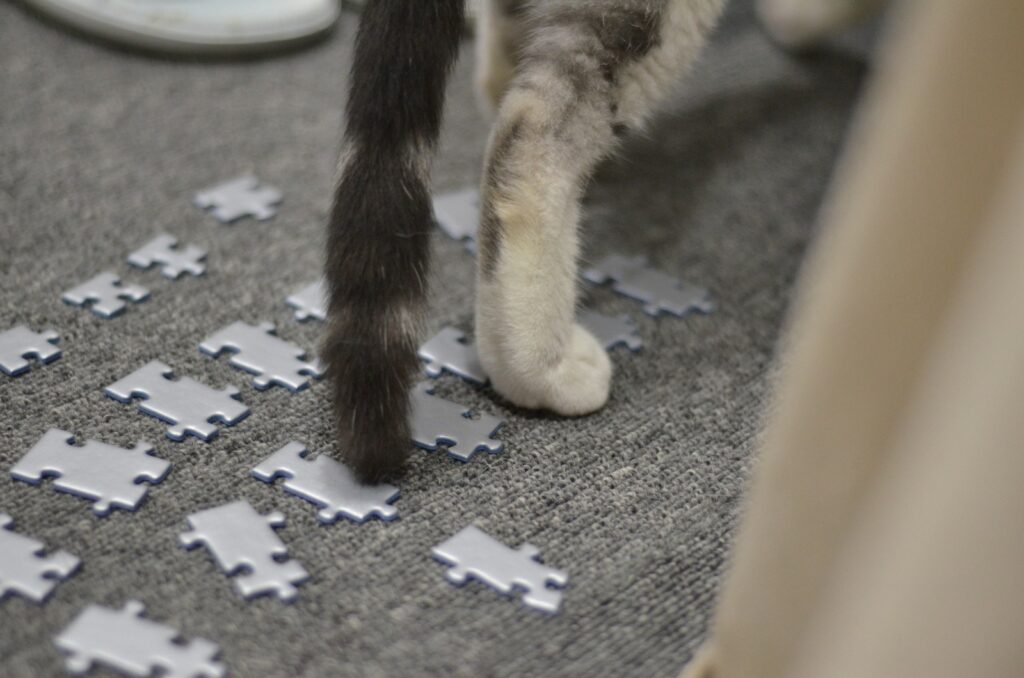
Speaking about that, interactive puzzle feeders are also great! These smart devices provide her goodies while also making her think. Instead of just putting kibble into a dish (yawn), you put it in a puzzle feeder so she has to work for it. It's like CrossFit for cats; she'll be pawing and nudging it until the yummy bits fall out. This keeps her busy both intellectually and physically, so she doesn't do things that could be dangerous, like knocking over your favorite houseplant or planning a big heist on your snack stockpile.
It's interesting that playing with their wits can help cats feel less stressed and anxious. They are less prone to act out when they have a way to use up their energy. Plus, who doesn't love seeing their cat jump around happily? Knowing that we're making them happy warms our hearts and makes us feel wonderful.
You could even think about changing up the toys every week or so. Like myself after eating leftover pizza for three days in a row (it was good at first!), cats may get tired with the same old things pretty quickly. You can keep things interesting for your furry friend by giving them new toys or changing the ones they already have.
So there you have it: you don't need to borrow money or spend hours looking up complicated things to do to keep your cat busy. You may make your living room a place full of thrilling experiences with just a few inexpensive toys and some creativity. It turns out that making our cute little pets happy is this easy!
You may also make her environment more enjoyable by giving her places to climb and explore, like shelves or cat trees that let her use her wild instincts securely indoors. Nothing makes a cat happier than climbing to new heights!
What Should I Feed My Cat?
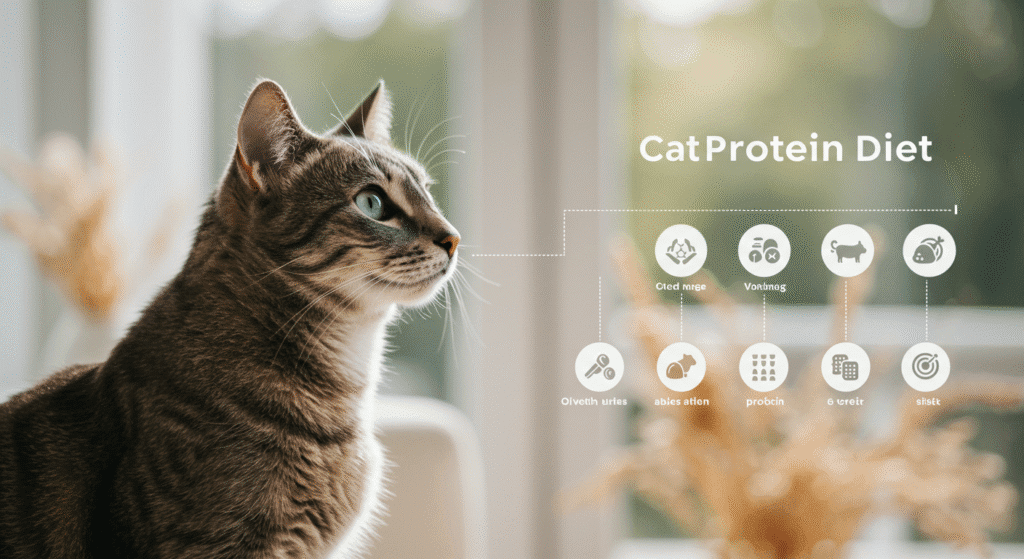
Food is the next thing that will get any feline excited. Cats are obligate carnivores, which means that meat should always be the first thing on the list of ingredients. They need high-quality protein as the main part of their diet. But what does that indicate for when to feed?
I think a lot of people wrongly believe that all pet feeds are the same, but that's not true at all! Be careful of brands that use real meat instead of imprecise words like “meat by-products.” Because diet is so important for keeping our cats healthy and full of energy, it's worth doing some study.
Don't forget about portion management, though! People often imagine that more food means greater love. After all, who wouldn't want to spoil their cute cat? But here's the thing: feeding too much might cause problems with obesity later on. No one wants their kittens to be fat and roll about instead of playing catch with themselves! It's very sad to think of a cat so fat that she can't jump up to her favorite windowsill perch or run after that toy mouse.
It's important to keep track of how much food you give your cat to keep her healthy and happy. You might think, “Oh, Fluffy looks so hungry!” when those large eyes glance up at you like she hasn't eaten in days. But believe me, those eyes are great at getting what they want. They could even get the most stubborn cat parent to give them another scoop of chow. To stop this from happening, you may use measuring glasses or even a kitchen scale to make sure you're giving her the proper quantity based on her weight and how active she is. It may sound a little clinical, but it can make a big difference!
Regular feeding times can also help maintain your cat fit and trim, which is interesting. Cats do best when they have a routine. They like to know when their next food is coming, even if they seem like they don't. You may help control their eating habits and stop them from idly snacking while plotting world domination from your couch by setting regular meal times instead of putting food out all day.
And don't forget that keeping Fluffy at a healthy weight is good for her health in general! When your cat is fit, they have more energy for those crazy 2 AM zoomies when they turn into fuzzy tornadoes dashing around your house. If you've ever been woken up by your pet running around the living room like it's an Olympic event, you know what I mean! Cats are fun to watch because they have those small bursts of energy. If Fluffy doesn't have too much fluff, these spurts will happen a lot more often.
Also, adding playtime to your daily routine is another fantastic method to keep your cat active without relying only on food to keep them busy. Not only can playing with her with interactive toys or simple games burn off some calories, but it also deepens your bond. And really, there's nothing like watching your cat jump and run around with pure joy—it's just plain fun!
So, keep in mind that even though we love our furry friends and want to give them lots of goodies and extra food, we need to be careful not to overdo it. Keeping track of how much food Fluffy eats will help her stay healthy enough for those random bursts of energy during 2 AM zoomies. Trust me, both you and she will be thankful when she doesn't knock over that beautiful lamp while trying to do her next acrobatic trick!
Why Does My Cat Bring Me “Gifts”?
Ah yes… the iconic gift-giving nature which is the cause of owners being confused and a little disgusted with the presentation of half-eaten rodents or birds at the door! You could be thinking that Fluffy has the need to share her hunting spoils with you instead of simply enjoying them by herself.
Surprisingly, this behavior is a result of instinctual characteristics that are handed down from one generation to another. Mother cats in nature bring prey for their kittens for giving them the necessary skills to hunt… so that “this is how you hunt” lesson is like a new skill learned with fur and feathers. So, the kitty is leaving her kill at your feet? It may even be her way of saying that she is sharing with you because she trusts you.
These gifts may not always be flattering to us (who would have thought that we would be unwilling recipients?), still, we should try to see them as her different way of bonding with us.
Suggested Resources
The Ultimate Guide to Cat Behavior
https://www.catbehavior.com/guide
Understanding Your Cat's Body Language
https://www.felinecommunication.com/bodylanguage
Top 10 Best Foods for Cats
https://www.bestcatfood.com/top10
Cat Enrichment Ideas for Indoor Cats
https://www.indoorcatlife.com/enrichmentideas
How To Train Your Cat: A Comprehensive Guide
https://www.cattrainingtips.com/guide
Frequently Asked Questions
Why do cats use different meows?
Cats use short meows as greetings, longer meows to express frustration, and trills or purrs when they feel happy or content.
Why does my cat scratch furniture?
Scratching helps maintain healthy claws, stretch muscles, and leave scent markers to claim territory.
How can I keep my cat mentally stimulated?
Interactive toys, puzzle feeders, and climbing structures help activate hunting instincts and reduce boredom.
What type of food should I feed my cat?
Choose high-quality meat-based food as cats are obligate carnivores and thrive on animal protein as the main ingredient.
How can I prevent my cat from overeating?
Use measured portions and regular meal schedules to maintain a healthy weight and avoid obesity.
Why does my cat bring me dead animals or toys?
This instinctive behavior is a bonding gesture, similar to how mother cats teach kittens to hunt.
Do cats get bored easily with toys?
Yes, rotating toys and adding new textures or activities helps keep cats engaged and mentally challenged.

Kevin Collier is a dedicated feline enthusiast and expert contributor at CatFAQ.com, where he shares his knowledge on cat health, training, and overall well-being. With years of experience caring for and studying cats, Kevin provides insightful tips and practical advice to help cat owners nurture and understand their pets better. His passion for enhancing the human-animal bond shines through in his articles, making them a valuable resource for anyone looking to improve their cat’s quality of life. Whether it’s training techniques or health care tips, Kevin aims to empower cat owners with the information they need to ensure their furry companions thrive.