
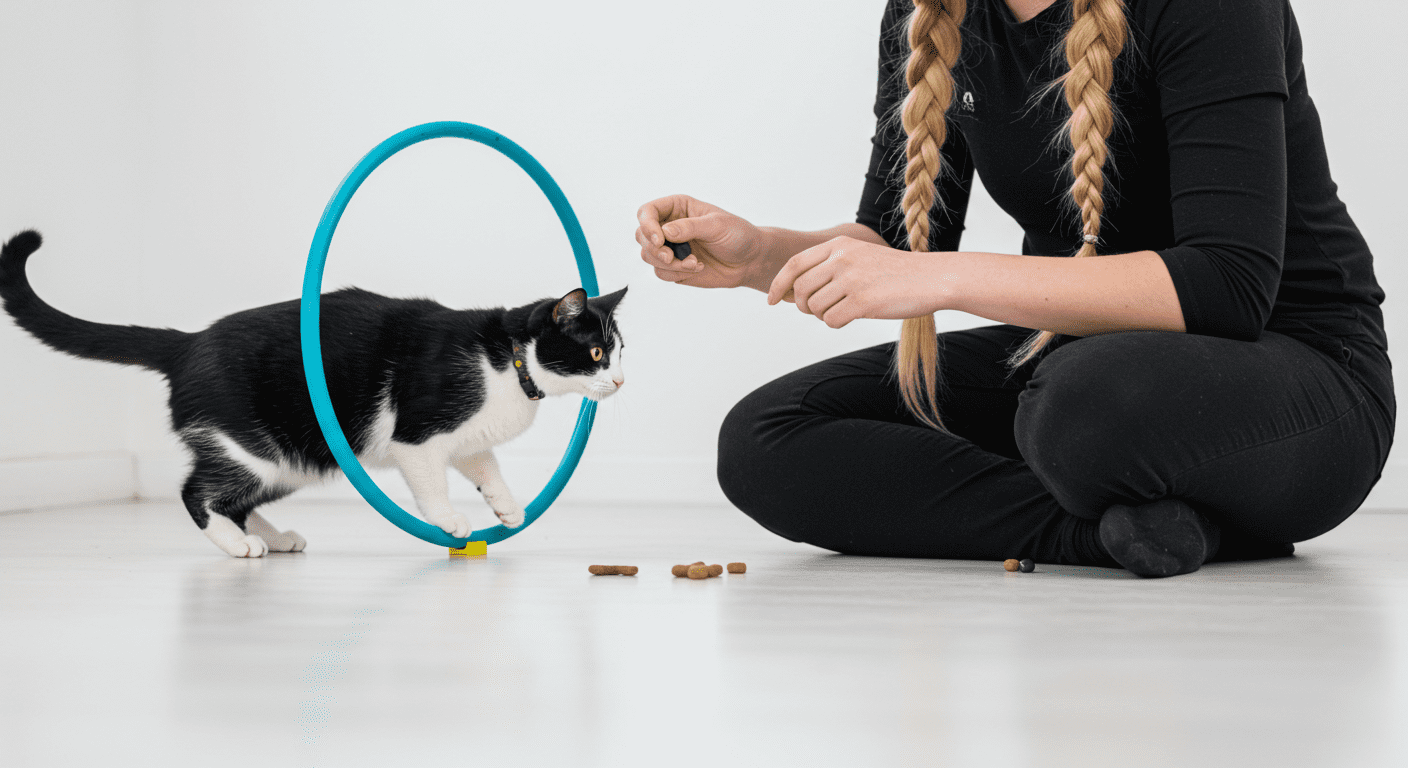
It might be really hard for you to believe that training your cat is within your power, but believe me it is possible to have fun and get rewards out of the process! You could be very unsure of the whole thing by thinking whether it makes sense to commence it in the first place. What a great idea to be a beginner in the cat training world! We will uncover not only some great ways that your pet will become better behavior-wise but also that training will become a delight for both of you!
Top Takeaways and Key Concepts
- Observe your cat’s body language to understand moods and guide training.
- Use treats or favorite toys as rewards to reinforce good behavior.
- Keep training sessions short, calm, and in distraction-free spaces.
- Redirect unwanted behaviors gently with consistency and patience.
- Make training playful and flexible to match your cat’s personality.
Summary:
This text emphasizes that cat training is both possible and enjoyable when approached with patience, understanding, and creativity. It explains how recognizing feline behaviors—like tail flicks or purring—helps build communication and trust. The guide highlights using positive reinforcement with treats or toys, setting realistic goals, and maintaining consistency in rewards. It also stresses the importance of creating a distraction-free training environment, adapting to each cat’s unique temperament, and troubleshooting setbacks with calm persistence. Ultimately, the key to success lies in making training fun, flexible, and rewarding, strengthening the bond between cat and owner while encouraging better behavior.
Video Summary
Jump to Content
Understanding Your Cat’s Behavior
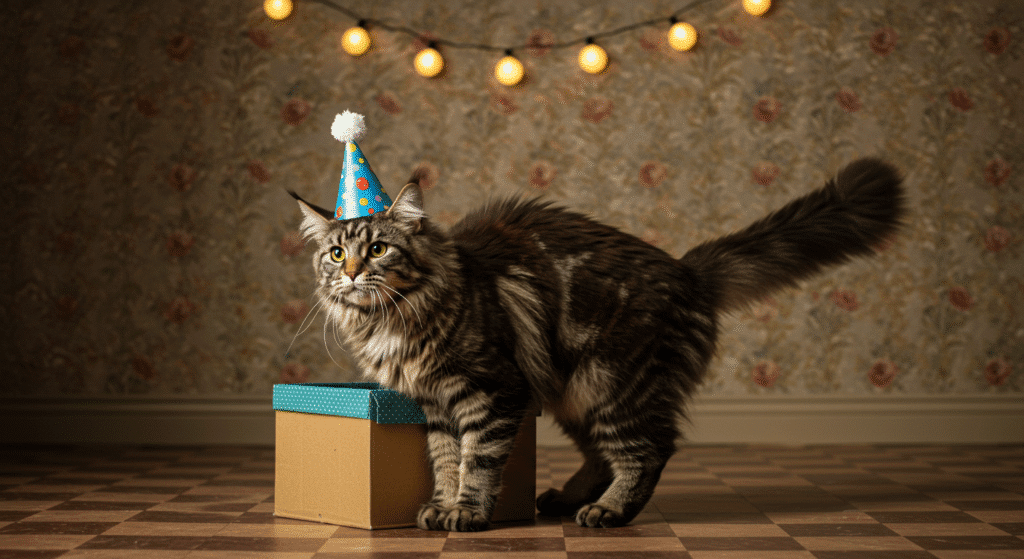
Cats have a unique way of training their humans. They’ve perfected the art of “feline persuasion,” which includes techniques like staring intently at you until you give in, pretending to be asleep when it’s time for a bath, and knocking things off tables to remind you who’s really in charge.
“Cats are connoisseurs of comfort.” — James Herriot
Before we experience this, getting to know cats would be the next logical step. Cats are totally self-sufficient animals; they are not going to do what they expect to in the case of a command issued to dogs. So why should you even try? Because reading their behaviors can help you communicate with them!
Cats show their feelings through gestures and sounds. Have you ever noticed that when your cat is annoying she twitches her tail? Or how she makes a happy noise when she is content? It is very important to pay attention to these signs if you want to train the cat successfully. I think it as learning a new languageone that is full of purring and sometimes hissing!
Fun Cat Facts About Understanding Your Feline Friend
– Purr-fectly Mysterious: Cats can purr at a frequency that promotes healing, so when they’re happy, they might just be channeling their inner doctor!
– The “Meow” Language: Cats have developed their meows specifically for humans! They rarely use them to communicate with each other—talk about a tailored conversation!
– Silly Stalkers: When your cat suddenly stares at nothing for an extended period, they’re not just being weird; they’re likely plotting the downfall of an imaginary foe or contemplating life’s greatest mysteries.
Interestingly enough, each cat has its own unique personality quirks that can make them both delightful and perplexing companions. Have you ever noticed how some cats seem to be born adventurers? They’re the ones who climb to the highest shelves, investigate every nook and cranny of your home, and even try to squeeze into boxes that are clearly too small for them. These daring explorers thrive on stimulation and excitement; they need mental and physical challenges to keep their curious minds occupied. If your feline fits this description, consider incorporating interactive toys or puzzle feeders into their training routine. Not only will it engage their adventurous spirit, but it’ll also provide an excellent outlet for their energy.
On the flip side, there are those charming couch potatoes—cats who would much rather curl up in a sunny spot than embark on any great adventures. You know the type: they find the coziest corners in your house and claim them as their thrones. For these laid-back kitties, training might look a little different. Instead of high-energy games or activities, focus on gentle encouragements that fit with their more relaxed nature. Maybe it’s teaching them to come when called by using soft-spoken words paired with soothing petting sessions—this approach can work wonders for our snuggly friends!
Knowing what makes your cat tick is crucial when developing a successful training strategy. It’s like being a detective trying to solve the mystery of your kitty’s behavior! For example, if you discover that your furry friend goes absolutely wild for treats (who doesn’t love snacks?), use those tasty morsels as rewards during training sessions. Cats respond incredibly well to positive reinforcement, especially when it involves something delicious! Whether it’s crunchy kibble or delectable freeze-dried meat bites, having a go-to treat can turn learning into a fun game rather than a chore.
And let’s not forget about playtime! Some cats may prefer engaging with feather wands or laser pointers over food rewards. If your kitty is one of those playful types, incorporate her favorite toys into training sessions as incentives for good behavior. The key here is flexibility; adapting your methods based on her preferences will not only make training more effective but also strengthen the bond between you two.
Ultimately, understanding your cat’s individual personality traits allows you to tailor your approach effectively—making training feel less like work and more like quality time spent together! So, whether she’s an intrepid explorer or a devoted nap enthusiast, knowing what makes her tick will lead you down the path toward success in shaping desirable behaviors while keeping things light-hearted and enjoyable for both of you!
Setting Realistic Goals
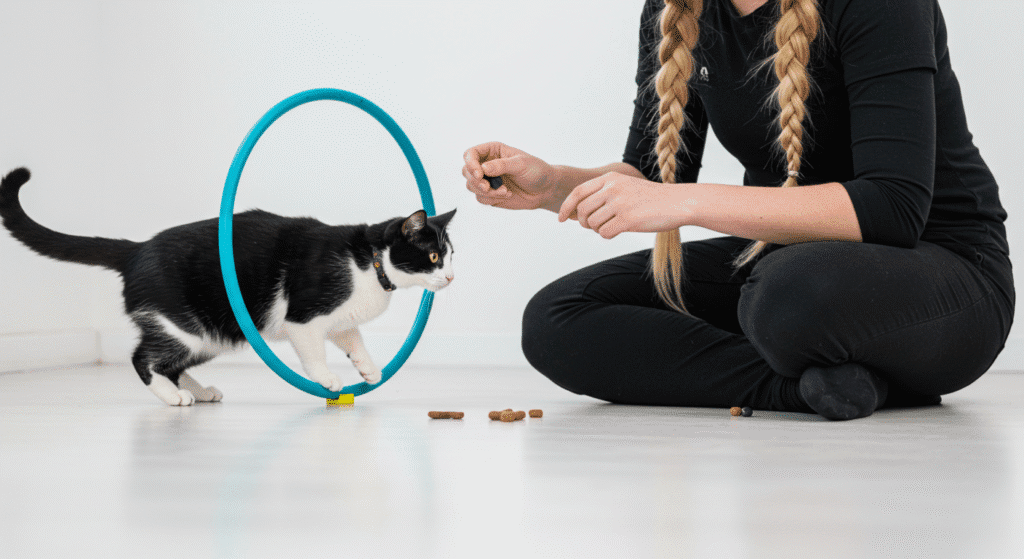
Cats have an uncanny ability to ignore commands, which is why training them often feels like trying to teach a goldfish to fetch. Setting realistic goals means accepting that your cat will probably only learn to respond when it’s dinner time or if you’re holding a laser pointer.
“Cats are intended to teach us that not everything in nature has a function.” — Garrison Keillor
Now that we’ve established a connection with our furry pals, let’s talk about setting goals! It’s tempting to dream big—like teaching Fluffy to fetch or walk on a leash—but starting small is key. Think about what behaviors you’d like to encourage or discourage.
For example, if your goal is to stop your cat from scratching the furniture (because let’s face it—those claw marks aren’t doing any favors), it’s essential to approach the situation with a plan. Cats scratch for various reasons: they’re marking their territory, stretching their muscles, or simply indulging in an instinctual behavior that brings them joy. So instead of expecting immediate results and getting frustrated when your furry friend continues her destructive antics, why not focus on redirecting that energy?
Fun Cat Facts for Setting Realistic Goals in Training
– Goal-Oriented Napper: Cats sleep for about 12-16 hours a day, so if your training goal is to get them to stay awake, you might need to adjust your expectations!
– Feline Focus: A cat’s attention span is shorter than a goldfish’s! If you’re aiming for long training sessions, prepare for some serious distractions (like that dust particle floating by).
– Treat Negotiators: Your cat might act like they’re doing you a favor when they learn a trick, but remember—every successful behavior comes with an expectation of treats. It’s all about the negotiation skills!
First things first, set achievable milestones. It’s crucial to understand that changing behavior takes time; cats don’t always grasp what we want them to do right away. Start by teaching her where she can scratch by providing a designated scratching post. Choose one that suits her preferences—some cats love vertical posts while others prefer horizontal surfaces. You might even consider a scratching pad made of different materials like sisal or cardboard, as each cat has unique tastes! Place this new scratching station in an area where she spends a lot of time, perhaps near her favorite nap spot or close to the furniture she usually targets.
Now here comes the fun part: making that scratching post irresistible! I mean, who wouldn’t want to scratch something that smells good and looks inviting? To entice her, try rubbing catnip on the post or using a few toys tied nearby so she associates positive experiences with it. This way, every time she approaches her scratching post instead of the couch, you can celebrate like you just scored the winning goal at a soccer match! Positive reinforcement goes a long way; offer treats or affection whenever she uses her designated area.
It’s also worth mentioning that consistency is key here. If you catch her mid-scratch on your lovely sofa (gasp!), gently redirect her to the scratching post without yelling or scaring her off—it’s all about being calm and encouraging rather than punitive. Cats respond better when they feel safe and understood rather than punished for their natural instincts.
As you continue this training process over time, be patient with yourself and your kitty. There will be ups and downs along the way—she might still sneak in some sneaky scratches on those beloved cushions now and then—but remember those small victories count too! Celebrate every successful transition from couch to post as if you’ve both won an award for best teamwork!
So there you have it: with some understanding of feline behavior combined with patience and creativity in redirection strategies, achieving a scratch-free home becomes more manageable—and hey, who knows? You might even find yourself bonding over those moments spent together at her new favorite spot!
The Power of Positive Reinforcement
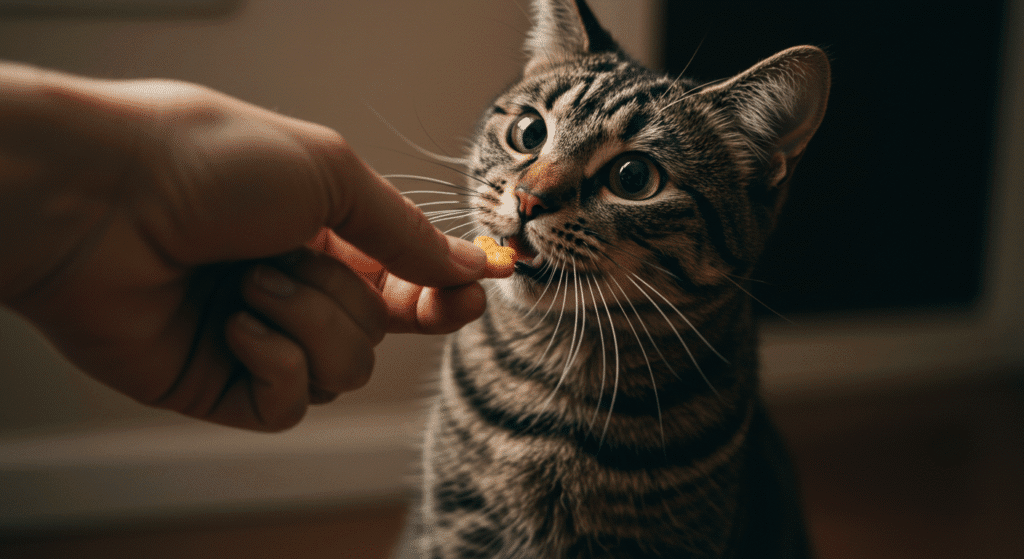
Cats can be trained using positive reinforcement, but it’s essential to remember that their idea of a reward might include anything from treats to a sunny spot on the floor—basically, anything that doesn’t involve you telling them what to do!
“Cats will outsmart most people every time.” — Jim Davis
Positive reinforcement is where the magic happens! This technique involves rewarding desired behaviors rather than punishing unwanted ones. And honestly, who doesn’t love being rewarded?
When your cat does something right—like using her litter box or sitting on command—praise her enthusiastically! A simple “Good girl!” combined with a treat can work wonders in reinforcing that behavior. Over time, she’ll associate good deeds with delicious snacks (and who wouldn’t want that kind of motivation?).
Fun Cat Facts About Positive Reinforcement in Training
– Paw-sitive Vibes Only: Cats can learn to associate specific behaviors with rewards, so if your cat gets a treat for sitting on command, you might just be training them to become the world’s fluffiest circus performer!
– Treats Over Tricks: Ever notice how your cat seems more interested in the treat bag than the actual training? That’s because they know it’s all about the snacks—training is just a fun way to score some gourmet kibble!
– Meow-some Motivation: Studies show that cats respond better to positive reinforcement than negative. So, instead of scolding them for knocking over a plant, try rewarding them for using their scratching post—because who doesn’t love a little praise and a tasty reward?
Truth be told, maintaining one method throughout the process of cat training is absolutely necessary. Picture this: in one day you reward your cat with treats and love for using her scratching post just like a good kitty. The very next day, she is performing the same action but instead of a reward, she gets nothing. Confusing, isn’t it? It’s very similar to a game where you can never find the same rules twicebefore long, she will be as puzzled as a cat trying to grab its own tail!
Cats are very dependent on habits and the things they know will happen. Playing a major role in letting her know what is right and what is wrong requires not only clarity but the adherence to a single approach in the matter. If you reward her one day but ignore the same behavior another day, she’ll likely become confused faster than you can say “catnip.” In one moment she is helping you to understand that the post is meant for scratching; and in the very next one she is questioning why you are not offering a treat to her.
So the question stands as such: how do we come to this magical state of consistency? First off, you have to find out if everyone in your home is on the same page about the methods and rewards. I mean, if your partner is along with the cat and she is getting a treat for jumping on the counter while you are trying to calm her down, then it is like mixing signals that even the smartest of cats would get confused! When people communicate well, sets of expectations for pets become clearer.
Moreover, next is timing, as timing is the main shed of a performance! When your cat does something right or uses her scratching post instead of those lovely curtains you cherish so much (I know they’re pretty!), immediately give her praise or a treat. This immediate reaction allows the link between the action and the reward to be established. If the action was done a while ago, the cat might not comment on the behavior she did to receive the treat.
Talking about rewards could be the most interesting thing of life! Cats can be bored as well as we people after just eating plain oatmeal every single morning (yawn). So, from time to time change those treats or try different forms of praise, maybe some petting or even playful engagement with a feather wand after successful scratching at the designated spot.
When all factors are considered and you can trust me on this being consistent will not necessarily mean that it will be boring and you will feel overwhelmed. Actually, you will have accomplished the task without even realizing it! You will see the small changes in her behavior – less scratching and more happy moments with her at the new scratching post. Also, who knows? Maybe during these training sessions which become your special bonding time with laughter and joy instead of chores, you will even get more of these sessions when!
Therefore always remember: imperturbability combined with steadiness will be the most advantageous in making both you and your pet happy and thus having a wonderful journey!
Creating an Ideal Training Environment
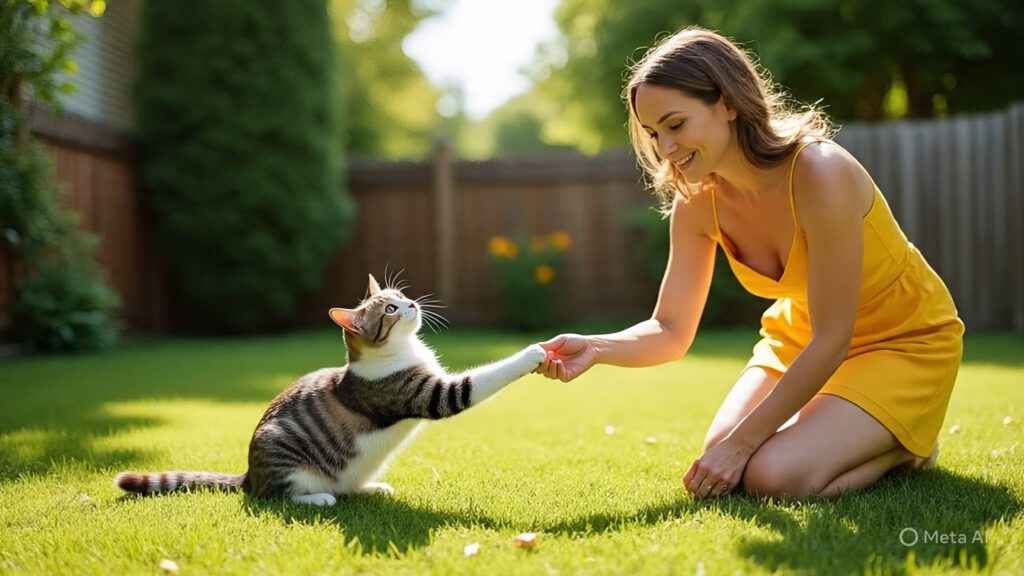
If you want to train your cat effectively, make sure the environment is free from distractions—unless, of course, those distractions are laser pointers or boxes; in that case, good luck getting their attention!
“Cats choose us; we don’t own them.” — Kristin Cast
Each cat should be handled in such a way that the environment is perfect for the training to succeed. Cats live best in tranquil places without any disturbances (oh well, no children and noisy machines). Find a quiet room for Fluffy where she feels comfortable and safe.
Moreover, to keep your cat focused and interested during training, you better have a short session of 5-10 minutes. I really mean that cats are quite independent personalities, and they may be disinterested in doing the same for a long time.
Fun Cat Facts for Creating the Perfect Training Environment
– The Ultimate Distraction: Did you know that a cat’s attention span is shorter than your average TikTok video? To create an ideal training environment, keep sessions short and sprinkle in some fun toys to maintain their focus!
– Cozy Corners Count: Cats love comfort! A well-placed blanket or soft mat can turn a boring training session into a luxurious experience. Your cat might think they’re at a spa rather than learning commands!
– Light Show: Cats are natural hunters, so dimming the lights and using laser pointers during training can mimic their hunting instincts. Just remember: it’s all fun and games until they start thinking you’re part of the prey!
I think that doing different things helps! If our cats’ training routine has become too regular, they must be getting bored with it, much like we do when we do the same thing every day. Think about how boring it would be to learn anything new while sitting in the same place and staring at the same wall. You may keep things exciting and new for each other by switching places in the house or bringing in new toys during training sessions.
First and foremost, think about having your training sessions in different rooms. Maybe all the kitten training has made your living room the center of action, but where is that sunny spot by the window? After all, every cat loves a great view, and who wouldn’t want to show off their talents while watching the birds fly by? She might have a small, cozy corner where she likes to cuddle up with her favorite blanket. The shift not only keeps her interested, but it also makes the session feel like an adventure!
Next, let’s talk about toys. Oh, this is the part where things may get really interesting! Have you ever noticed that cats and kids play differently? They are totally into one toy one minute and then totally not into it the next. So, why not change up your training tools a little? Get a feather wand for one day, then switch to a laser pointer or crumpled paper balls the next. You’re not just teaching her skills this way; you’re also making her feel like learning is fun! Also, who knows what creative ideas will pop into your head as you try out different tools?
You can manufacture toys for your cat from of things you already have around the house, which is surprising. A cardboard box can turn into a long and exciting journey! You can conceal candy for her to locate or make tunnels for her to crawl through. A simple trick that gets your mind and body going! And don’t forget those empty toilet paper rolls, which are great puzzle feeders if you cut holes in them and fill them with treats.
Adding these fun aspects will keep your cat interested because cats see boring tasks as great adventures. Instead than just another item on your to-do list, think of each session as a mini-adventure. You will probably see her get more excited and willing to participate as she becomes more interested in learning new tricks or actions in these diverse scenarios.
I wish I could find the right words to stress how important it is for both of you to enjoy these sessions. If she sees you having fun, like laughing at something weird she did or celebrating a small victory, she will be more willing to join in. Training should never be seen as a punishment; instead, it should be a fun and joyous time for bonding.
I can’t get tired of that! To keep things exciting for both of you, let your dog explore different parts of the house or bring in some new toys for the training session. What if you find out that your cat has secret skills that will surprise and entertain you?
Troubleshooting Common Issues
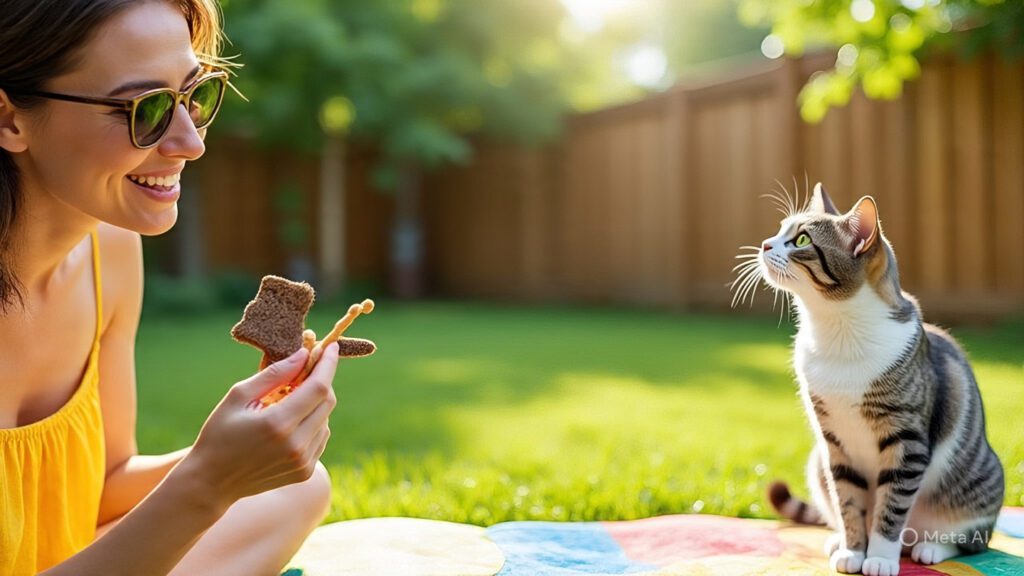
If your cat seems to ignore your training commands, just remember: they might be plotting world domination or simply practicing their “I’m too cute to listen” face.
“The cat is the only animal without visible means of support that still manages to find a living in the city.” — Carl Van Vechten
Even experienced trainers sometimes find a rough spot on the wayit happens! To be honest, some days will make you feel that you are trying to explain calculus to a kitten which only wants belly rubs. If Fluffy is not responding as expected or looks uninterested in training, then disengage.
Check first if she is in good health because pain or discomfort can greatly affect one’s behavior. Also, think about modifying your method if the situation continues to decline; maybe a different reward and changing the commands might work!
Fun Cat Facts for Troubleshooting Training Issues
– The Purrfect Alarm: If your cat suddenly starts ignoring commands, it might just be their way of saying, “I’m on a break!” Cats have an innate ability to prioritize naps over training—consider adding more fun breaks!
– Feline Flexibility: Ever notice how cats can fit into the tiniest spaces? When troubleshooting issues, remember that flexibility is key! Adjust your training methods like they adjust to any box they find.
– Whisker Wisdom: Cats use their whiskers to gauge space and objects around them. If your training area feels cramped or chaotic, it may be too overwhelming! Clear the clutter for a more fun and focused learning environment!
There are times when I lose tolerance with the situation, and I’m sure we’ve all been there, right? You do your best with your cat, but instead of demonstrating that she is a tiny superstar, she behaves like a perplexed squirrel. It can be quite frustrating! Anyway, acquiring your pet’s trust does not happen overnight; rather, it is similar to producing a slow-cooked stew that need time to simmer. So, let us talk about how to keep a positive attitude and avoid becoming frustrated.
To begin, acknowledge that cats are unique and require various amounts of time. There are times when they are eager to learn, and other times when they are uninterested in what you have to offer them, such as when I tried to teach my cat to retrieve something and he looked at me as if I was crazy to ask him to do it with me. Honestly, he could not have been more correct. The idea is to remember that each furball has unique characteristics and feelings. When difficulties arise—and they will, believe me—it is critical that you do not become upset because they are not solely directed at you or that they are failures.
Including fun in your training period is one approach to foster a nice and cheerful environment. Consider a scenario in which your cat has chosen idleness not for a trick, but for enjoyment by the window, enjoying the view like the queen she is; wouldn’t it be better if you shared her joy? While she is in “deep thought” and honoring her napping profession, tell her some stupid things that spring to mind to distract her, or if she is completely uninterested in your intentions, pretend to be quite unhappy. This enjoyable technique can help turn irritation into laughter, forming positive associations with training time.
Another strategy that can help is to recognize achievements, even if they are minor (in human standards)! Was she more concerned with the scratching post than the sofa? Clap hands! Did she regain control and sit down for a few moment before fleeing? Here come the sweets! This leads to a win-win situation in which you encourage good conduct on your end without placing any pressure on her, training is transformed from a difficult task into something pleasurable, and you share the moment by laughing rather than complaining.
Furthermore, setting realistic expectations may help to reduce tension during training. Remember that Rome was built over time (and your cat will not become submissive overnight). Instead of setting the bar too high from the start (because, let’s face it, no one wants their cat to be the next “America’s Got Talent” contestant anytime soon), focus on making little steps forward each time. Instead of attempting to encourage your cat to comply with all of the demands at once, you may divide each point into easy activities that allow you and your cat to celebrate progress step by step.
Furthermore, while discussing progress and celebrations, don’t forget about pauses! Training is not meant to be a never-ending race; there are times when taking a step back may be just what is required. When you feel like the situation is going nowhere or is becoming too tense, do yourself a favor and take a break before deciding what to do next, whether it’s playing with the cat with her favorite toy or simply cuddling on the sofa. In fact, these experiences not only develop you and her, but also serve as a reminder that training should always be enjoyable!
At the end of the day, patience is the most important component in all of this, and that is what I am also trying to convey. Developing confidence takes time; keep things lighthearted and avoid getting irritated over obstacles because each small step brings you closer to establishing a stronger relationship with your loved one, the furball. How about accepting those goofy times as one of the strategies? After all, they won’t take long to become the happiest memories!
Keeping Training Fun
Cats have been known to ignore your training efforts and instead train you to provide treats for absolutely no reason at all. It’s a classic case of “who’s really in charge here?”
“Dogs come when they’re called; cats take a message and get back to you later.” – Mary Bly
Lastly—and this is important—keeping training enjoyable ensures lasting results! Incorporate playtime into lessons by turning tricks into games (who says education can’t be fun?). Use interactive toys or puzzles alongside commands so Fluffy stays engaged throughout each session.
Fun Cat Facts to Keep Training Entertaining
– Treat Time Tactics: Did you know that cats can be trained using their favorite treats? Just remember, if your cat looks at you like you’re the one being trained, it might be time to up your snack game!
– Paw-sitive Reinforcement: Cats are more likely to respond to training when they think it’s a game. So if your training session turns into a spontaneous chase after a feather toy, congratulations—you’re doing it right!
– The Great Escape Artists: If your cat suddenly decides training is over and makes a beeline for the nearest hiding spot, don’t take it personally! They’re just reminding you that they’re in charge of the fun around here.
Another idea? Mix in regular cuddle breaks between tasks because nothing strengthens bonds quite like shared snuggles after hard work! After all this effort spent together means more quality time—and isn’t that what being pet parents is all about?
In conclusion—or should I say “paws-itively”?—training cats isn’t just possible; it’s immensely rewarding for both parties involved! With patience and creativity sprinkled throughout every session together with love at its core—you’ll see amazing transformations unfold before your eyes!
Suggested Resources
The Spruce Pets – Cat Training Basics
https://www.thesprucepets.com/cat-training-basics-4176367
American Kennel Club – Cat Training Tips
https://www.akc.org/expert-advice/training/cat-training-tips/
PetMD – How to Train Your Cat
https://www.petmd.com/cat/centers/behavior/how-train-your-cat
Jackson Galaxy – Cat Training Techniques
https://www.jacksongalaxy.com/cat-training-techniques
ASPCA – Cat Behavior & Training
https://www.aspca.org/pet-care/cat-care/common-cat-behavior-issues
Frequently Asked Questions
Can cats actually be trained?
Yes, cats can be trained when approached with patience, consistency, and positive reinforcement using treats or toys.
How long should a typical cat training session last?
Training sessions should stay short, usually around 5–10 minutes, to match a cat’s limited attention span.
What is the most effective way to reward good behavior?
Using high-value treats, favorite toys, or verbal praise immediately after the desired behavior helps reinforce the action.
How do I stop my cat from scratching furniture?
Redirect the behavior by offering a scratching post, reward the cat for using it, and stay consistent instead of scolding.
Should training be adjusted to match my cat’s personality?
Yes, adventurous cats may respond better to active games, while calmer cats may prefer gentle encouragement and soft cues.
What should I do if my cat loses interest during training?
Pause the session, try again later, adjust the reward type, or switch environments to keep training fresh and motivating.
Why is consistency so important in cat training?
Consistency helps cats clearly associate which actions earn rewards, preventing confusion and shaping reliable habits.

Kevin Collier is a dedicated feline enthusiast and expert contributor at CatFAQ.com, where he shares his knowledge on cat health, training, and overall well-being. With years of experience caring for and studying cats, Kevin provides insightful tips and practical advice to help cat owners nurture and understand their pets better. His passion for enhancing the human-animal bond shines through in his articles, making them a valuable resource for anyone looking to improve their cat’s quality of life. Whether it’s training techniques or health care tips, Kevin aims to empower cat owners with the information they need to ensure their furry companions thrive.