
As a happy cat owner, I often find myself thinking a fairly hefty question: how long will my feline friend be around to grace me with her aloofness and occasional cuddles?
The average lifespan of domestic cats can range from 12 to 15 years, but some live well into their twenties!
What determines whether your cat will be prancing around in its golden years or racing after that elusive red dot for just a little while? Let’s study the numerous elements determining the longevity of our feline pals.
Top Takeaways and Key Concepts
- Choose a cat with strong genetics or consider a mixed breed for longevity.
- Feed high-quality, balanced diets including wet food to ensure hydration.
- Provide fresh water at all times to support kidney and urinary health.
- Schedule regular veterinary checkups and vaccinations to prevent serious illnesses.
- Keep cats indoors or provide stimulating environments to reduce hazards and stress.
Article Summary
A cat’s lifespan depends on genetics, nutrition, veterinary care, and environment. Strong or mixed-breed cats tend to have fewer hereditary problems, while high-quality diets and hydration support overall health. Regular vet visits, vaccinations, and spaying prevent disease and extend life expectancy. Indoor cats generally live longer, but providing stimulating toys and climbing spaces promotes physical activity and mental well-being. By combining thoughtful breed selection, proper nutrition, preventive medical care, and a safe, engaging environment, owners can help their feline companions thrive for many years.
Video Summary
Jump to Content
1. Genetics: The Family Tree

Genetics have a big impact on how long your cat will live, just as how people get some features from their parents, such eye color or a strange fondness of ice cream. Cats also have their own distinct genetics that affect how long they live and how healthy they are.
Some breeds are known for being strong and healthy, while others may be more likely to have certain health problems. Siamese cats, for instance, are typically praised for their strong genetics, which can help them live longer. On the other hand, Persian cats may have problems since their flat faces make it hard for them to breathe and cause other health problems.
Isn’t it interesting how the choices we make when we adopt these lovely animals can affect how long they live? It’s important to do a lot of research on the health hazards that could come with a certain breed before you choose one. Knowing these things can help you make smart decisions that will aid your future cat.
Mixed-breed cats, on the other hand, don’t seem to have as many hereditary problems as purebreds. Hybrid vigor is the name for this phenomena. It sounds fancy, but it just means that having a lot of different genes in a family frequently leads to healthier children. Mixed breeds usually get a wider range of genes from diverse heritage lines. This might make them healthier overall and lower the risk of getting health problems that run in the family.
If you want your furry friend to watch a lot more Netflix with you and live a long, healthy life with you, think about getting a mixed breed! These cats not only have personality and charm, but they also add to the genetic richness of the breed. When you choose a mixed-breed cat, you’re not just getting a pet; you’re also making sure that you’ll have a friend for years to come who will bring you joy and fun.
2. Nutrition: You Are What You Eat

Let’s see…what we feed our cats has a big effect on their health and how long they live. You might want to give them whatever cheap kibble is on sale at the store (believe me, I’ve been there), but quality is important!
A diet that is balanced and full of important nutrients keeps those whiskers twitching happily for years.
To stay healthy, cats need high-quality food that has all the vitamins and minerals they need.
Cats are obligate carnivores, which means they need to eat meat to stay healthy.
Giving them the right amount of food helps keep them from getting too fat, which is a rising problem that can lead to heart disease and diabetes. To be honest, no one wants Mr. Fluffykins to have trouble jumping onto his favorite windowsill because he’s been eating too much!
It’s important to remember that your cat has to drink enough water in addition to getting frequent, healthy meals. Your cat should always have access to fresh water because staying hydrated is very important for their health and well-being. Dehydration can cause a lot of serious health problems, including kidney disorders, which are very common in cats. The kidneys are very important for getting rid of toxins from the blood and regulating the body’s fluid balance. So, it’s very important to keep your cat well-hydrated to help these functions.
You can want to add wet food to your cat’s diet to help them drink more water. Wet food contains more moisture in it than dry kibble, so it’s a great way to get your pet to drink more water. This is especially good for cats that don’t drink enough water on their own or that are likely to have problems with their urinary tract. Wet food adds moisture to the urine, which can help lower the risk of getting crystals or stones in the bladder.
Adding wet food to your cat’s diet also gives it more variety. Just like people like diverse flavors and textures, cats do too! Offering children gourmet food might make mealtime more fun and interesting for them. Cats are picky eaters, so giving them a mix of dry and wet food will let you meet their needs while also making sure they get all the nutrients they need.
Also, trying out different kinds of wet food, including pates, pieces in gravy, or broths, will keep your cat engaged in their meals and make them eat more often. You should only buy items that are excellent quality, fulfill AAFCO requirements, and are good for your cat’s age and health.
Remember that keeping your cat hydrated isn’t only about giving them water; it’s also about making their surroundings one that makes them want to drink and eat regularly. By giving your pet wet food alternatives that are high in both water and nutrients, you are doing a lot to help them live a healthier life. So go ahead and change things up at dinner! Your cat will repay you by purring with happiness.
3. Veterinary Care: Prevention Is Key
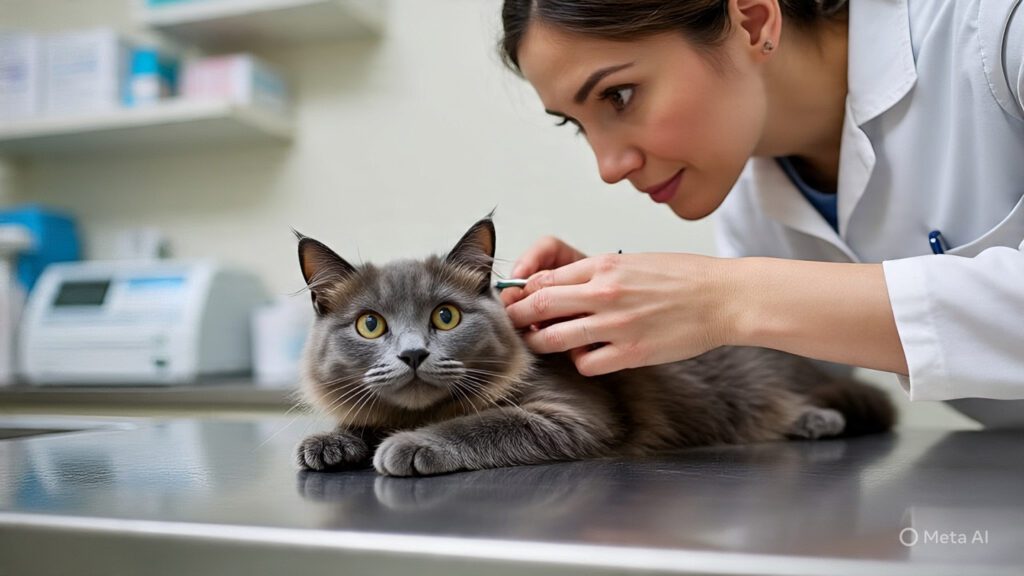
With that in mind, one very important thing to remember and put at the top of your list is…MEDICAL EXAMINATIONS!
These regular checkups make it less likely that your pet will become sick and also make sure that they will live longer. They also list the immunizations that are safe and efficient for various kinds of ailments, such as rabies and feline leukemia.
We may also look into nutrition, which has been ignored because women have been feeding their newborns without understanding what would happen.
During visits, regular cleanings and checkups are done as needed. These help to slowly reveal any deficiencies.
Many pet owners may be surprised to learn that spaying is one of the easiest and most successful ways to keep cats from getting pregnant. This surgery not only lowers the chance of having unwanted litters, but it also greatly improves your cat’s health and length of life.
There are several benefits to spaying that go beyond just controlling the population. One of the best things about it is that it helps soothe down cats. Spaying reduces behaviors that are commonly tied to mating impulses, like yowling, restlessness, and territorial aggression, by getting rid of the hormonal changes that happen during heat cycles. Because of this, spayed cats usually have more stable temperaments, which makes them simpler to care for and enjoy as pets.
Also, spaying is very important for keeping your cat healthy and avoiding some health problems that could otherwise put her health at risk. For example, female cats that are not spayed are more likely to get mammary tumors, some of which can be cancerous, as well as other diseases of the reproductive system. You completely remove this risk by taking out the ovaries and uterus during the spaying surgery.
Spaying can also help keep your cat from getting congenital heart disease and other major health problems that can happen if she gets pregnant again or has problems during birthing. Unspayed females are more likely to get infections or have problems during pregnancy and delivery, which can cause serious health problems.
In short, spaying your pet is a good thing to do that not only stops unwanted litters but also makes your cat healthier. By choosing this operation, you’re doing a lot to improve their quality of life and make sure they stay with you for many happy years to come. Spaying your pet is an example of responsible pet ownership that shows you care about your pet’s health and the health of the community as a whole by helping to keep animal populations in check.
4. Other Examples and Thoughts

When your feline has crossed over all those years and if it had to stay inside a home for all those years rather than stepping outside the house, the probability of them living longer than others increases tenfold.
Additionally, it has been found that cats that have had access to the outdoors grazed longer in comparative to normality, which hints at there being a clear correlation between the two.
You might ask, why does this matter? Well, for starters, outdoor cats are exposed to many hazards like vehicles, predatory animals like dogs hidden in the grass, and even to various infections from other animals that they come across on their outdoor ventures away from home.
But—and here is the interesting bit—not every indoor environment is ideal too! Building stimulating indoor environments with toys and climbing structures prevents boredom and encourages activity in sedentary cats which in turn also helps them live for longer as well!
To sum up (and yes – it’s the last one!), knowing these important factors helps us as caring pet owners not only appreciate our cats in a different light but also do things that can help improve their quality of life at every stage!
Suggested Resources:
Understanding Cat Lifespan
https://www.cattime.com/cat-facts/health/35241-understanding-cat-lifespan
The Importance of Regular Vet Visits
https://www.avma.org/resources-tools/pet-owners/petcare/importance-regular-veterinary-visits
Cat Nutrition Guide
https://www.humanesociety.org/resources/cat-nutrition-guide
Frequently Asked Questions
What is the average lifespan of a domestic cat?
Most domestic cats live 12 to 15 years, but many can reach their early twenties with proper care.
Do genetics affect how long a cat lives?
Yes. Mixed-breed cats often face fewer inherited conditions, and some breeds naturally have stronger longevity genetics.
Does nutrition influence lifespan?
Yes. High-quality balanced diets and adequate hydration support organ health, weight control, and long-term wellness.
Is wet food beneficial for hydration?
Yes. Wet food contains more moisture than dry kibble and helps support urinary and kidney health.
How important are regular vet visits?
Routine exams and vaccinations prevent disease and catch hidden problems early, increasing lifespan.
Does spaying improve health?
Yes. Spaying reduces reproductive disease risks and decreases hormone-driven stress behaviors.
Do indoor cats live longer?
Generally yes. Indoor cats avoid outdoor dangers, and enrichment like toys and climbing spaces keeps them active and healthy.

Kevin Collier is a dedicated feline enthusiast and expert contributor at CatFAQ.com, where he shares his knowledge on cat health, training, and overall well-being. With years of experience caring for and studying cats, Kevin provides insightful tips and practical advice to help cat owners nurture and understand their pets better. His passion for enhancing the human-animal bond shines through in his articles, making them a valuable resource for anyone looking to improve their cat’s quality of life. Whether it’s training techniques or health care tips, Kevin aims to empower cat owners with the information they need to ensure their furry companions thrive.